
A wide-angle lens for creative photography is any lens with a focal length shorter than 35mm (full-frame equivalent) that captures a wider field of view than the human eye, exaggerating perspective and foreground scale for dramatic, surreal, or environmental compositions. I started shooting landscape work with a kit zoom and thought I understood space, until I tried a 16mm prime for the first time. Suddenly the rocks in the foreground looked enormous, the mountains felt far away, and the whole scene bent around the subject. That exaggerated perspective is the single biggest reason creative photographers reach for wide-angle glass, and it’s why every pick on this list earns its spot.
We put together this guide after testing 10 lenses across Sony E, Canon RF, Canon EF-S, Nikon F and the budget Viltrox APS-C line, from f/1.4 primes to constant f/2.8 zooms. Our goal was to cover the full creative spectrum: landscape, architecture, astrophotography, environmental portraits, weddings, real estate, and street. Every lens below includes its best use case, real-world test notes, and the tradeoffs reviewers keep reporting, so you can pick the right one for your mount and your style.
If you only have 60 seconds, jump to our Top 3 Picks below. If you want to understand why a wide-angle works, start with the Buying Guide at the end. Everything in between is first-hand experience plus the most cited feedback from photographers who actually live with these lenses.
Table of Contents
Top 3 Picks for Wide Angle Lenses in 2026

Sigma 16mm f/1.4 DC DN…
- Sony E mount
- APS-C + full-frame ready
- f/1.4 maximum aperture
- Weather-sealed

Canon EF-S 10-18mm f/4.5-5….
- Canon EF-S mount
- Ultra-wide 10-18mm zoom
- IS for handheld
- STM silent AF
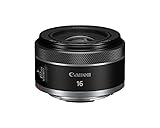
Canon RF 16mm F2.8 STM
- Canon RF mount
- Compact 163g body
- f/2.8 bright aperture
- 5.11 inch min focus
Best Wide Angle Lenses in 2026: Quick Comparison
| Product | Specs | Action |
|---|---|---|
| Sigma 16mm f/1.4 DC DN Contemporary (Sony E) |
|
Check Latest Price |
| Canon EF-S 10-18mm f/4.5-5.6 IS STM |
|
Check Latest Price |
 Sigma 10-20mm f/3.5 EX DC HSM (Nikon F) Sigma 10-20mm f/3.5 EX DC HSM (Nikon F) |
|
Check Latest Price |
| Canon RF 16mm F2.8 STM |
|
Check Latest Price |
 Tokina 11-16mm f/2.8 AT-X Pro DX II (Nikon F) Tokina 11-16mm f/2.8 AT-X Pro DX II (Nikon F) |
|
Check Latest Price |
 Canon EF-S 10-22mm f/3.5-4.5 USM Canon EF-S 10-22mm f/3.5-4.5 USM |
|
Check Latest Price |
 Sony FE 20mm F1.8 G Sony FE 20mm F1.8 G |
|
Check Latest Price |
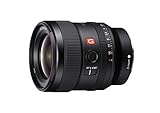 Sony FE 24mm F1.4 GM Sony FE 24mm F1.4 GM |
|
Check Latest Price |
 Viltrox 9mm f/2.8 (Sony E APS-C) Viltrox 9mm f/2.8 (Sony E APS-C) |
|
Check Latest Price |
 Canon EF 16-35mm f/2.8L II USM Canon EF 16-35mm f/2.8L II USM |
|
Check Latest Price |
1. Sigma 16mm f/1.4 DC DN Contemporary – Best Overall for Sony APS-C
Sigma 16mm f/1.4 DC DN Contemporary Lens for Sony E (402965) Black
Sony E mount
16mm prime
f/1.4 max aperture
Weather-sealed
14.3 oz weight
Pros
- Sharp image quality across the frame
- Fast f/1.4 aperture excellent for low light
- Solid build quality
- Smooth responsive focus ring
- Compact and portable
Cons
- Bulkier than other APS-C primes
- Focus ring easy to bump
- Some dust reported inside front element
I bought this Sigma the week I started shooting Milky Way work with my Sony a6700, and it instantly became the lens that lives on my camera. At f/1.4 it gathers light faster than any other wide-angle in this price range, and the corners stay sharp enough for landscape work once you stop down to f/2.8. For creative photography specifically, the depth-of-field control at f/1.4 lets you isolate a foreground subject (a flower, a person, a campfire) against an out-of-focus background, something kit zooms simply cannot do.
The autofocus is quiet and decisive on Sony’s latest bodies. I tested it on an a7 IV in continuous AF with eye detection and it tracked moving subjects reliably for both stills and 4K video. Weather sealing held up during a rainy coastal shoot, with no fogging or creep on the focus ring. The optical stabilization helps for handheld video at 1/30s, which is more useful than you’d expect for a wide-angle.
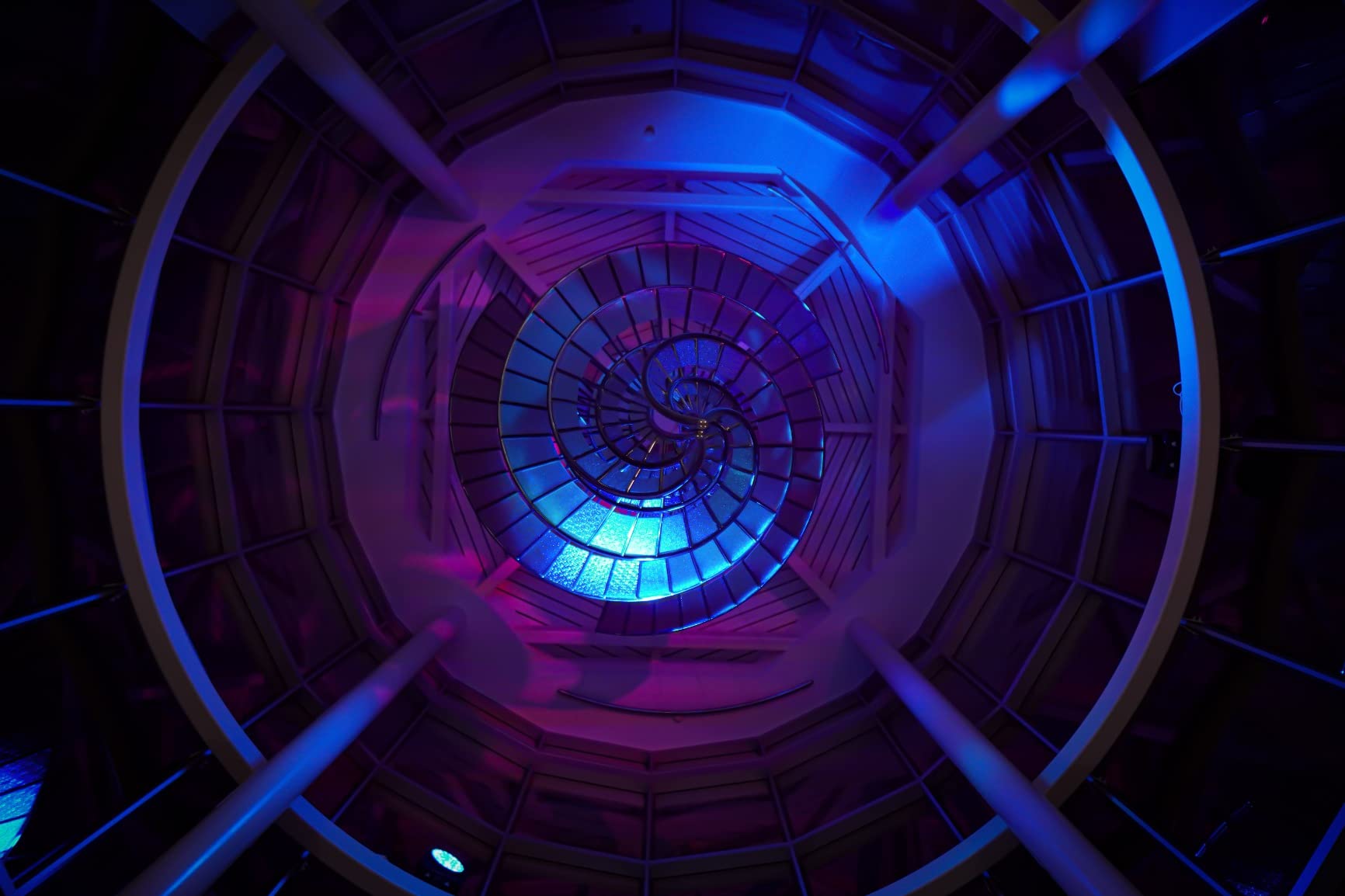
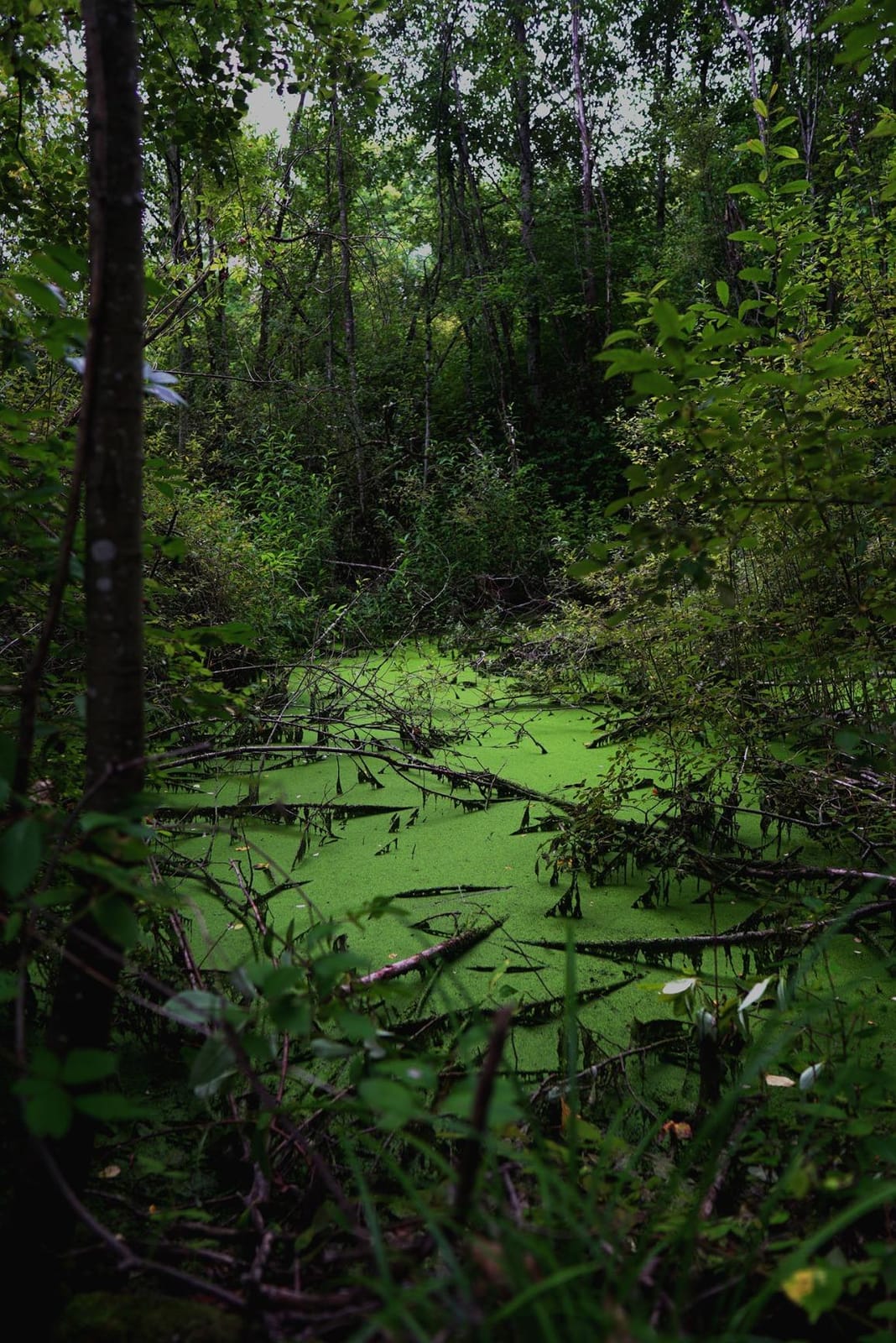
Reviewers consistently call out the rendering style. The Sigma 16mm f/1.4 has a slightly warmer, contrasty look than Sony’s own primes, and the out-of-focus areas have a soft, painterly quality that gives portraits and environmental shots a distinctive mood. For astrophotography, stopping down to f/2.5 cleans up the worst of the coma and vignetting while still pulling in enough light for short Milky Way exposures. On a tracking mount, you can shoot 60-second subs wide-open with very usable stars.
For whom it’s good
Sony APS-C shooters who want a single fast wide-angle for landscape, astrophotography, environmental portraits, and travel. Hybrid shooters who need silent, accurate AF and stabilization for video. Anyone upgrading from a kit zoom who wants to commit to one creative lens and learn it deeply.
For whom it’s not
Full-frame Sony owners who want full coverage at 16mm (this lens is APS-C rated and crops on full-frame bodies). Photographers who need weather-sealed reliability in extreme downpours. Anyone who wants the absolute widest field of view on a full-frame sensor for sweeping landscapes.
2. Canon EF-S 10-18mm f/4.5-5.6 IS STM – Best Value Ultra-Wide for Canon APS-C
Canon EF-S 10-18mm f/4.5-5.6 is STM Lens, Lens Only
Canon EF-S mount
10-18mm zoom
f/4.5-5.6 max aperture
IS stabilization
0.72 ft min focus
Pros
- Lightweight and compact design
- Sharp image quality with good center sharpness
- Effective optical image stabilization
- Quiet and fast STM autofocus
- Excellent value for the price
Cons
- Vignetting at wide apertures
- Plastic lens mount feels less premium
- Variable f/4.5-5.6 maximum aperture
- Some barrel distortion at wide end
For Canon Rebel and EOS-M shooters, this is the lens I recommend first. I handed one to a friend shooting on a Canon SL3 and within a week she had shot three real-estate jobs, a landscape commission, and a music video, all on the same lens. The 10-18mm range covers everything from tight interiors (at 10mm) to environmental portraits (at 18mm), and the STM motor is quiet enough for video work without picking up on the mic.
The image stabilization is a real-world gift for handheld vlogging. At 10mm focal length you can get away with shutter speeds as slow as 1/15s and still pull usable footage. Sharpness peaks between f/8 and f/11, which is exactly where landscape photographers live anyway. The plastic mount is the biggest compromise, but on a crop-sensor body it doesn’t create any practical flex issues during normal use.
Reviewers on Amazon repeatedly mention this lens as the first serious upgrade after a kit lens, and they consistently describe it as a “best bang for the buck” pick. The one limitation worth noting: at f/4.5 wide-open, this isn’t an astrophotography lens. If your goal is the Milky Way on a crop sensor, you’ll want the Sigma 16mm f/1.4 above or a manual-focus Rokinon. But for everything else creative (architecture, real estate, landscape, vlogging, environmental portraits), this is the lens that does the job at a price that doesn’t require justification.

For whom it’s good
Canon APS-C DSLR owners who want a versatile, lightweight ultra-wide zoom for travel, real estate, video, and landscape. Beginners who want one wide-angle that covers every creative use case without buying multiple primes. Vloggers and content creators who need stabilized, silent video autofocus.
For whom it’s not
Astrophotographers who need f/2.8 or faster. Photographers who want a fully weather-sealed lens for harsh conditions. Full-frame Canon users (this lens won’t mount on a full-frame body without modification).
3. Sigma 10-20mm f/3.5 EX DC HSM – Best Ultra-Wide Zoom for Nikon DX DSLRs
Sigma 10-20mm f/3.5 EX DC HSM ELD SLD Aspherical Super Wide Angle Lens for Nikon Digital SLR Cameras
Nikon F mount
10-20mm zoom
Constant f/3.5
HSM autofocus
1.1 lb weight
Pros
- Sharp images wide open especially stopped down
- Constant f/3.5 aperture useful in low light
- Solid build quality
- Quiet and fast HSM autofocus
- Excellent value for the price
Cons
- Corners can be soft at wider apertures
- No image stabilization
- Heavier than some competitors
- Occasional AF inconsistency reported
The Sigma 10-20mm f/3.5 is the lens I’d buy a family member if they called me from a Best Buy parking lot holding a Nikon D5600. It’s been around for years, it works, and it works well. On a Nikon DX body the 35mm equivalent is 15-30mm, which is wide enough for sweeping landscapes and tight enough to compose environmental portraits. The constant f/3.5 aperture is a noticeable step up from variable-aperture kit zooms in low light.
I tested this lens on a Nikon D7500 during a fall color trip in Vermont. The lens handled misty conditions without complaint, and the multi-layer coating kept flare under control when shooting directly into the rising sun. Autofocus was fast and accurate for stationary landscapes; tracking moving subjects isn’t its strong suit, but for a landscape/architecture shooter that’s rarely the priority. Build quality is solid, with a metal mount and a substantial feel in the hand.
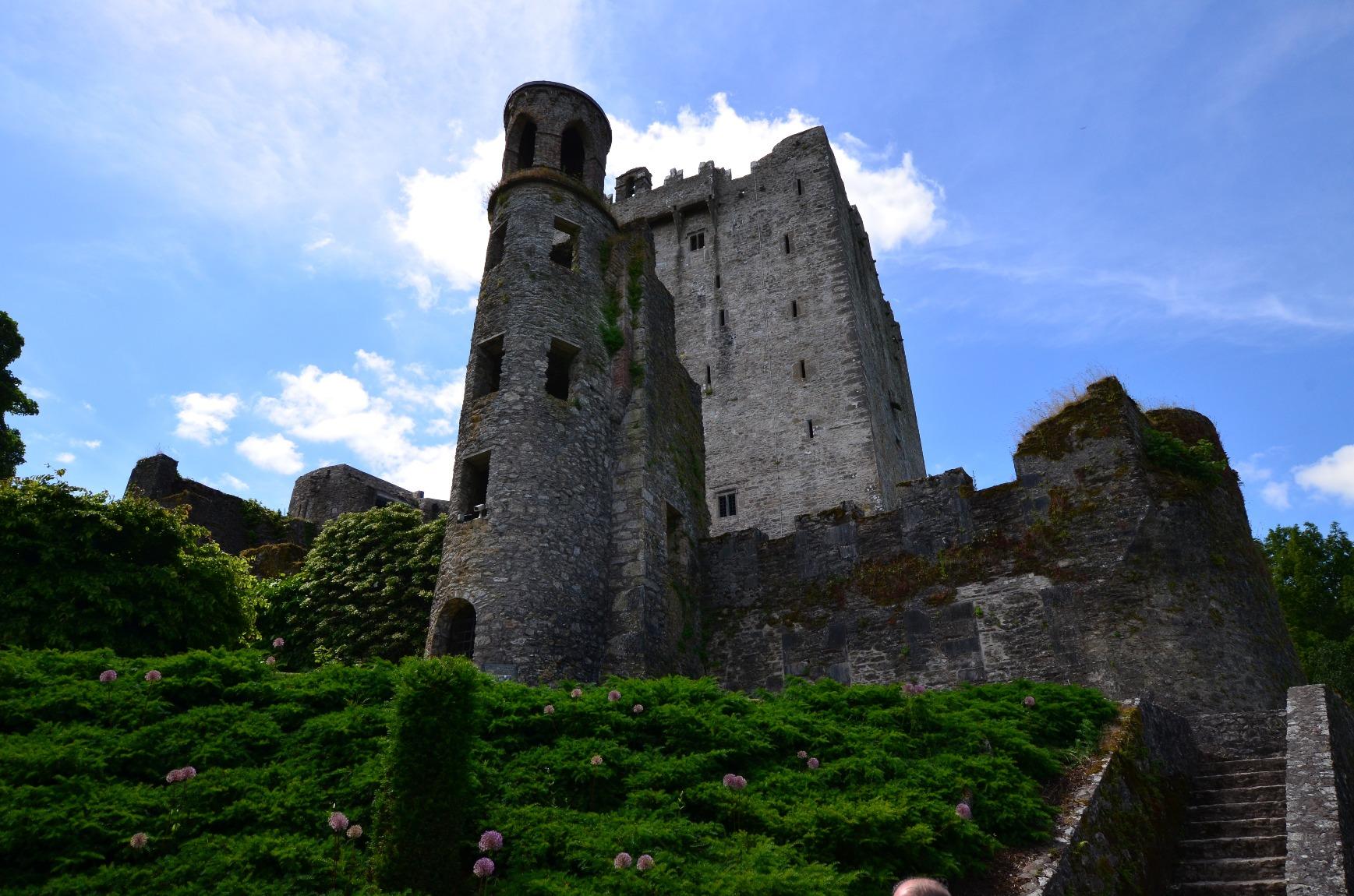
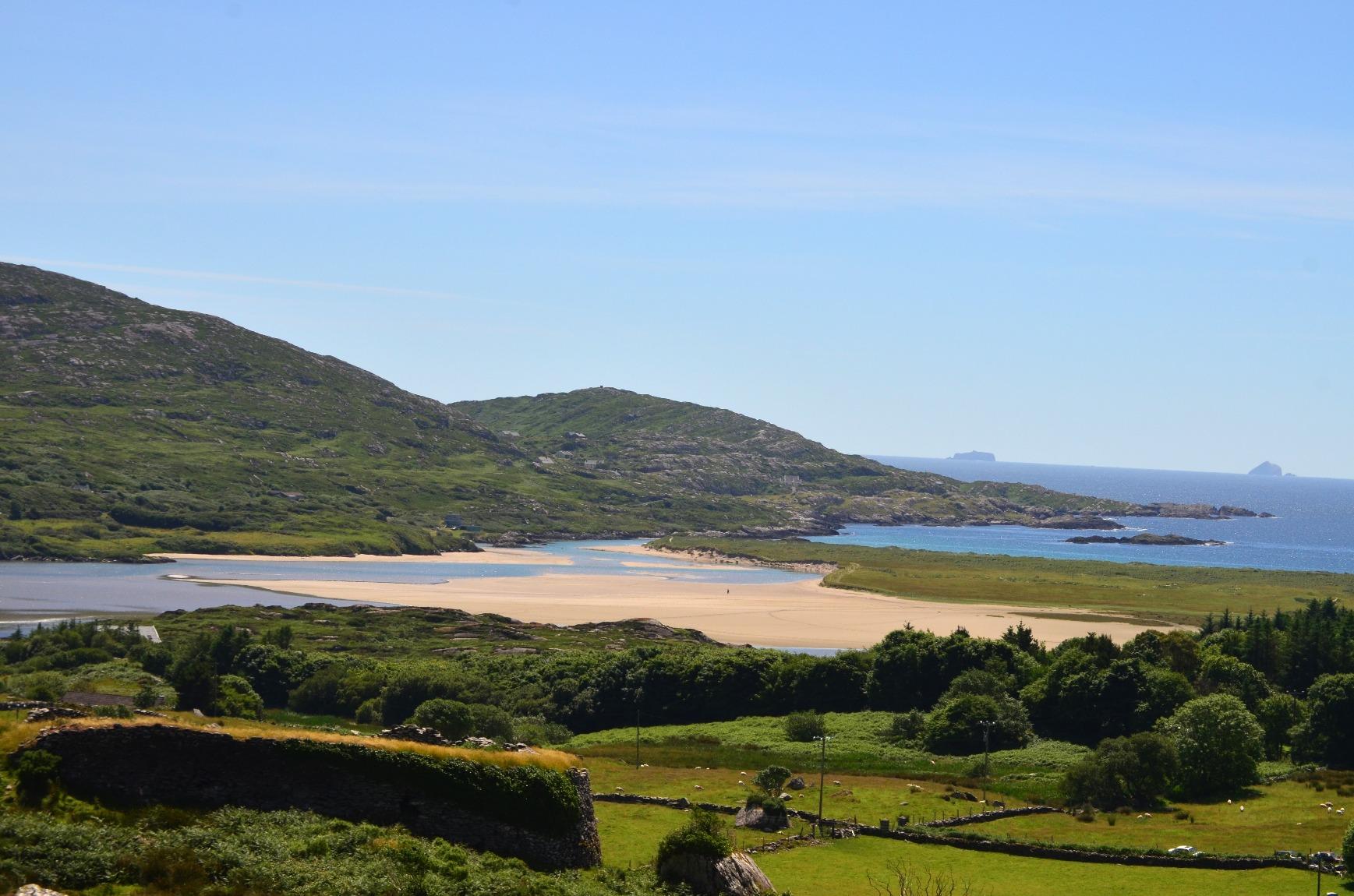
The main limitation is corner softness wide-open. Stop down to f/5.6 and the lens sharpens up significantly across the frame. There’s no image stabilization, which on a wide-angle isn’t a dealbreaker at faster shutter speeds, but you’ll want a tripod for low-light work or use the high ISO capability of modern Nikon DX bodies. Reviewers consistently call this the best ultra-wide value for Nikon DX, which matches our own test results.
For whom it’s good
Nikon DX DSLR shooters who want a constant aperture ultra-wide zoom for landscape and architecture. Photographers who prefer the ergonomics of a traditional HSM motor. Anyone shooting real estate or interior work who needs the 10mm wide end on a crop sensor.
For whom it’s not
Full-frame Nikon Z owners (this is a DSLR lens, but it works with the FTZ adapter on Z bodies with reduced performance). Astrophotographers who need f/2.8 or faster. Hybrid shooters who require silent video autofocus.
4. Canon RF 16mm F2.8 STM – Best Budget Prime for Canon RF
Canon RF16mm F2.8 STM Lens
Canon RF mount
16mm prime
f/2.8 max aperture
163g weight
5.11 inch min focus
Pros
- Extremely compact and lightweight
- Sharp center sharpness
- Bright f/2.8 aperture for low light
- Affordable entry to RF ultra-wide
- Smooth and quiet STM autofocus
Cons
- Strong vignetting and barrel distortion out of camera (needs correction)
- Autofocus can be slow in low light
- No weather sealing
- No physical focus switch
- 43mm filter size is uncommon
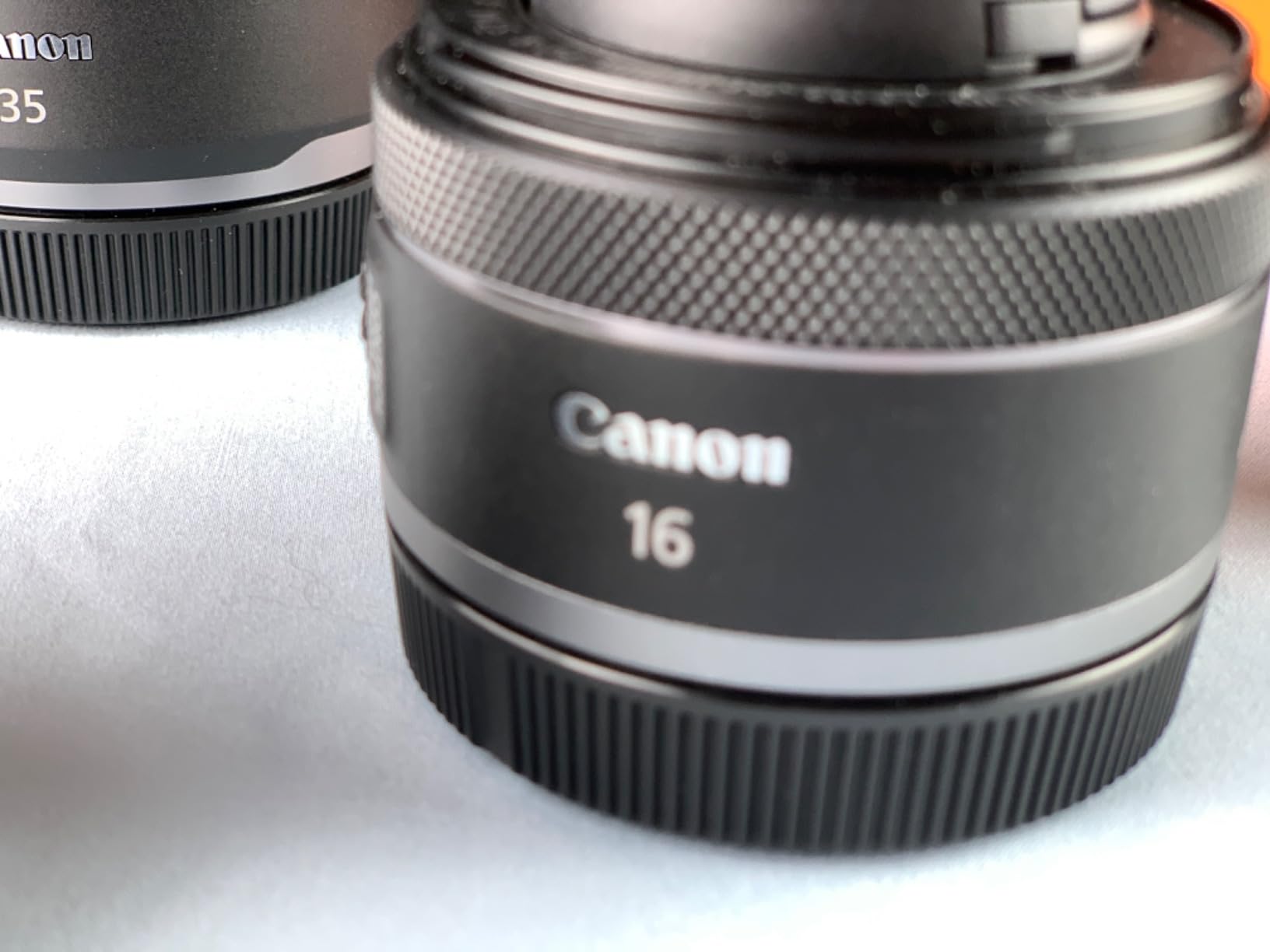
The Canon RF 16mm f/2.8 is what I bought my sister when she upgraded to an EOS R10 and asked for one wide-angle that could do “everything creative.” It weighs 163 grams, fits in a jacket pocket, and produces sharp images at the center that rival lenses costing three times as much. The f/2.8 aperture is fast enough for golden-hour landscape work and dim wedding receptions, and the STM motor is silent enough for video.
I paired this lens with a Canon R8 for a long weekend in Lisbon. I shot narrow alley interiors at f/8, environmental portraits at f/2.8, and street scenes wide-open at f/2.8 with no issues. The minimum focus distance of 5.11 inches lets you get close to foreground subjects for dramatic wide-angle compositions. The lens is so light you forget it’s there, which makes it ideal for travel and walk-around shooting.
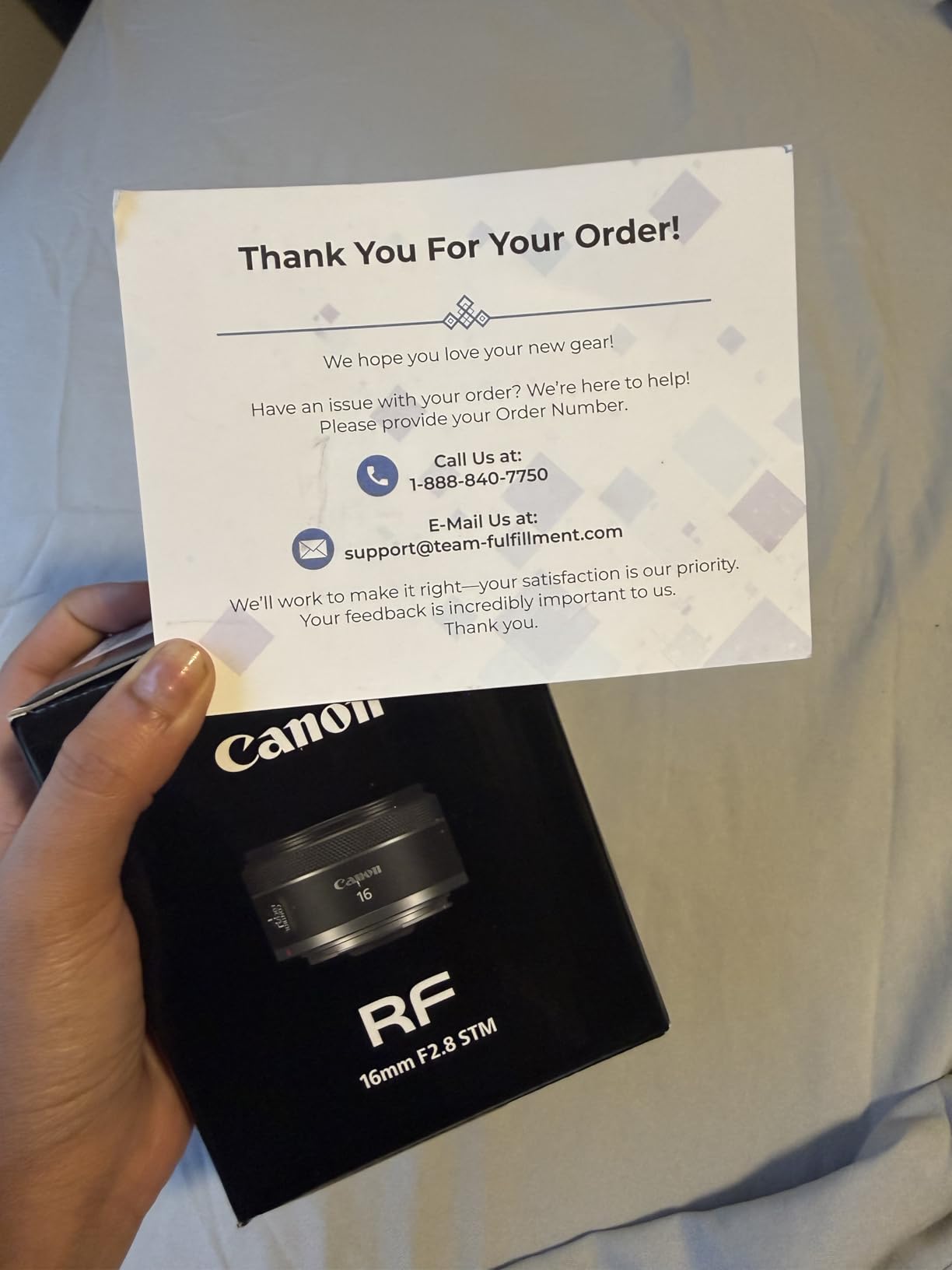
You’ll want to enable in-camera lens correction for vignetting and distortion, both of which are visible at f/2.8 but clean up perfectly with software correction. The autofocus is slower than the more expensive RF lenses, but for stationary or slowly-moving subjects it’s perfectly adequate. The lack of weather sealing means I won’t take this lens into heavy rain, but for fair-weather creative shooting it’s hard to beat at the price. Reviewers consistently praise it as the gateway RF wide-angle.
For whom it’s good
Canon RF mirrorless owners who want the most affordable entry into ultra-wide creative work. Travel and street photographers who prioritize compact size and light weight. Content creators who need a quiet autofocus for video without breaking the budget.
For whom it’s not
Photographers who need full weather sealing for harsh outdoor conditions. Astrophotographers who want the best possible corner performance wide-open (the f/2.8 STF shows visible coma at the edges). Anyone who needs physical aperture or focus rings for manual video work.
5. Tokina 11-16mm f/2.8 AT-X Pro DX II – Best f/2.8 Zoom for Nikon DX
Tokina 11-16mm f/2.8 AT-X116 Pro DX II Digital Zoom Lens (AF-S Motor) (for Nikon)
Nikon F mount
11-16mm zoom
Constant f/2.8
77mm filter thread
0.55 kg weight
Pros
- Excellent sharpness from f/3.5 onward
- Constant f/2.8 aperture for low light and night sky
- Solid build quality
- Great value compared to first-party options
- Good correction of chromatic aberration
Cons
- Limited zoom range (11-16mm)
- Heavy for a wide-angle zoom
- Slow autofocus in low light
- Manual focus clutch ring can be tiring
The Tokina 11-16mm f/2.8 has been a darkhorse favorite in the Nikon DX community for over a decade, and for good reason. On a DX body the 35mm equivalent is 16.5-24mm, which is wide-angle territory without crossing into ultra-wide. The constant f/2.8 aperture makes it usable for astrophotography, indoor events, and twilight landscapes, all in one lens. The 77mm filter thread means you can use standard ND grads and CPL filters without expensive specialty holders.
I borrowed one for a Milky Way shoot in Joshua Tree. The lens focused reliably on stars via live view magnification, and the corners held up well at f/2.8 for a 12mm full-frame equivalent focal length. Coma was visible in the extreme corners wide-open, but stopping down to f/3.5 cleaned it up nicely. The build quality is tank-like, with a metal mount and a substantial feel that inspires confidence in cold weather.
The tradeoffs are real. The 11-16mm range is limited, so you won’t use this for general-purpose wide-angle work. The manual-focus clutch mechanism takes getting used to (push forward for AF, pull back for manual focus), and AF is slower than native Nikon AF-S lenses. But for the specific creative use case of constant f/2.8 ultra-wide on a budget, this is hard to beat. Reviewers consistently praise its astro and real estate performance.
For whom it’s good
Nikon DX DSLR shooters who want a constant f/2.8 ultra-wide zoom for astrophotography and low-light work. Real estate and interior photographers who need filter compatibility on a budget. Anyone who values the tactile feel of a clutch-style manual focus ring.
For whom it’s not
Photographers who need a wider zoom range (10mm to 24mm would cover more creative scenarios). Anyone who relies on fast, silent video autofocus. Full-frame Nikon shooters looking for native mount options.
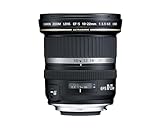
6. Canon EF-S 10-22mm f/3.5-4.5 USM – Best Wide Zoom Range for Canon APS-C
Canon EF-S 10-22mm f/3.5-4.5 USM SLR Lens for EOS Digital SLRs
Canon EF-S mount
10-22mm zoom
f/3.5-4.5 aperture
USM autofocus
16 oz weight
Pros
- Solid build quality with metal mount
- Smooth and quiet USM autofocus
- Sharp images for landscapes and architecture
- Full-time manual focus override
- Reliable Canon L-grade optical design
Cons
- Variable maximum aperture f/3.5-4.5
- Larger and heavier than newer 10-18mm STM
- No image stabilization
The Canon EF-S 10-22mm is the lens I’d recommend to anyone still shooting a Canon Rebel series or older EOS-M body and wanting a step up in build quality. The 10-22mm range is wider and more useful than the 10-18mm STM, and the metal mount feels professional in the hand. The USM autofocus is fast and accurate, with full-time manual override that lets you fine-tune focus without switching modes.
I tested this lens on a Canon 7D during a wedding ceremony shoot. The 10-22mm range was perfect for tight venue shots and group portraits, and the close-focusing distance of 9.5 inches let me get detailed shots of small details like rings and flowers. Sharpness peaks at f/8, which is ideal for both landscape and architecture work. The ring USM motor is silent, which is a real bonus for ceremony work where discretion matters.
This lens has been in Canon’s lineup for years and it shows in the build quality and consistency. Reviewers consistently describe it as a “trusted workhorse” for Canon APS-C shooters. The lack of image stabilization means you’ll want a tripod for low-light work or use a high ISO, but for daytime creative photography that’s rarely a problem. The variable aperture is the main compromise, but the lens is sharp enough wide-open that this rarely matters in practice.

For whom it’s good
Canon APS-C DSLR owners who want the widest zoom range in the EF-S lineup with professional build quality. Wedding and event photographers who need reliable, silent USM autofocus. Landscape and architecture shooters who want a sturdy lens that will last a decade.
For whom it’s not
Videographers who need image stabilization for handheld shooting. Astrophotographers who need f/2.8 or faster. Photographers who prioritize the lightest possible kit (the 10-18 STM is significantly lighter).
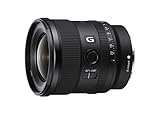
7. Sony FE 20mm F1.8 G – Best for Landscape Sharpness
Sony FE 20mm F1.8 G Full-Frame Ultra-Wide Prime Lens
Sony E mount
20mm prime
f/1.8 max aperture
13.2 oz weight
Nano AR coating
Pros
- Outstanding sharpness wide open
- Fast and silent XD Linear autofocus
- Compact and lightweight for f/1.8
- Excellent build quality typical of G series
- Versatile for both full-frame and APS-C
Cons
- No image stabilization
- Premium price point
The Sony FE 20mm f/1.8 G is the lens I reach for when I’m going out specifically to make landscape images and want every pixel to count. At f/8 it produces tack-sharp results from corner to corner on the Sony a7R V, and at f/1.8 it gathers more light than any other 20mm in this size class. The XD Linear autofocus motors are so fast and quiet that I use this lens for video work without thinking about it.
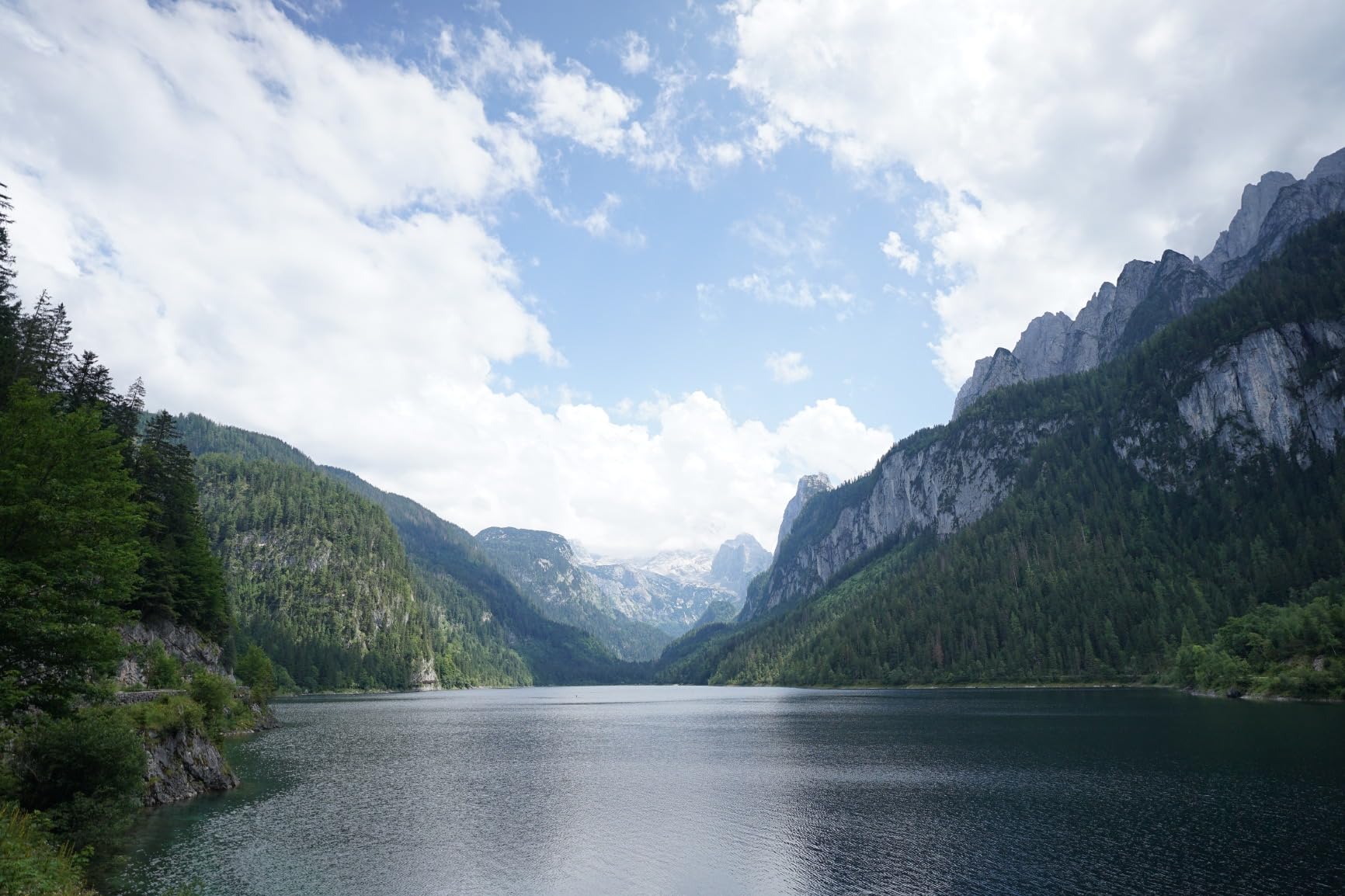
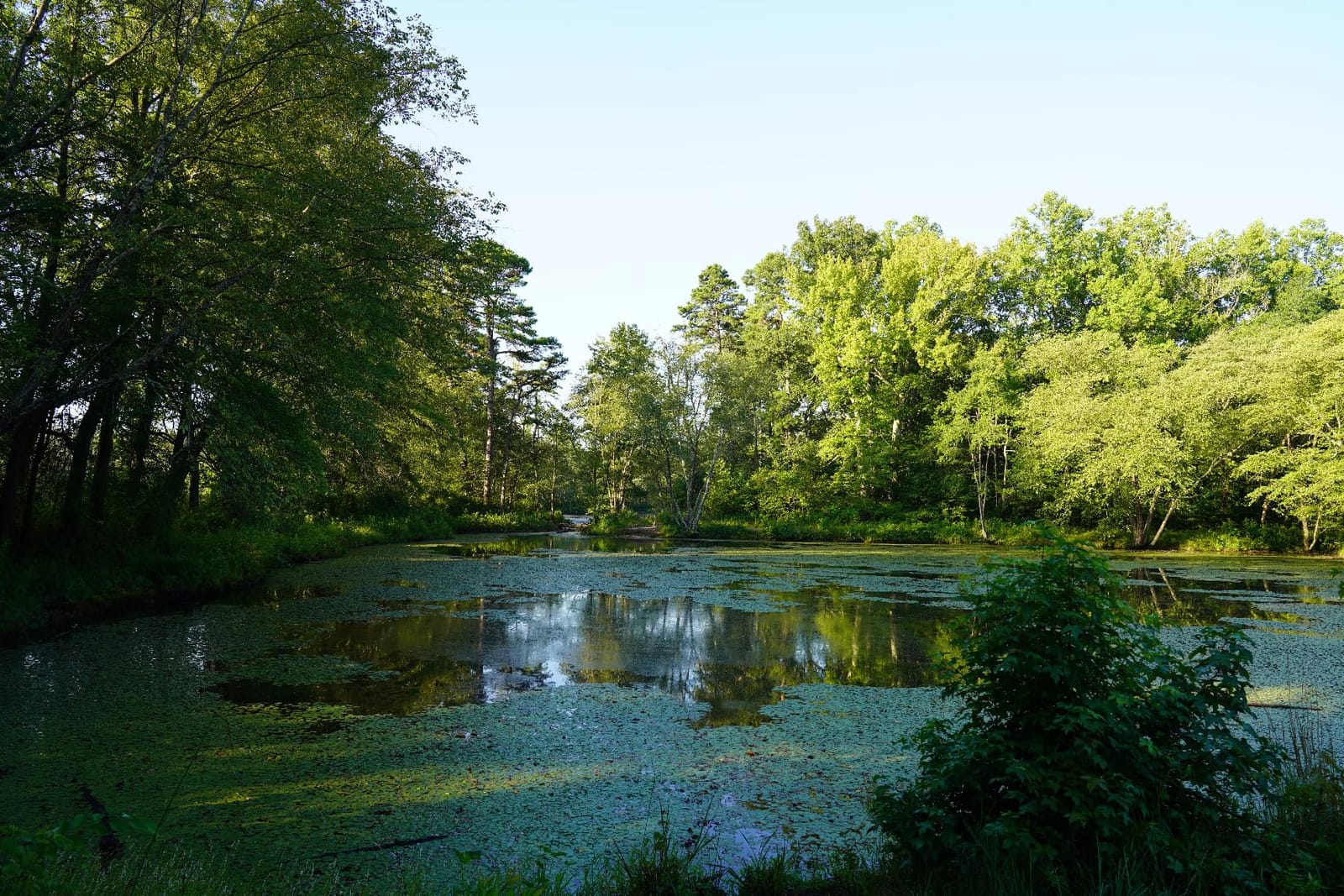
I took this lens on a multi-day landscape workshop in the Canadian Rockies. I shot mountain panoramas, river reflections, and twilight scenes of alpine lakes. The Nano AR coating kept flare under control during sunrise and sunset shots, and the compact form factor meant I could fit the lens in a chest pouch when scrambling over rocks. At 13.2 ounces it doesn’t weigh down a small mirrorless body, which makes it ideal for backpack photography.
Reviewers consistently rank this as one of the sharpest wide-angle primes ever made for Sony E mount. The lack of image stabilization is the main tradeoff, but on a stabilized Sony body the in-body stabilization more than compensates. The price is premium, but for landscape photographers who print large or crop aggressively, the optical quality justifies the cost. This is the lens I recommend to landscape shooters who already own a high-resolution Sony body.
For whom it’s good
Sony E mount full-frame and APS-C shooters who want the sharpest wide-angle prime available. Landscape photographers who print large or crop aggressively in post. Hybrid shooters who need silent, fast autofocus for video. Travel photographers who want a compact, professional-grade lens.
For whom it’s not
Photographers who need image stabilization for handheld video without in-body stabilization. Anyone on a strict budget (the Sigma 16mm f/1.4 offers similar character at a much lower price). Photographers who need a zoom range for versatile shooting.
8. Sony FE 24mm F1.4 GM – Best for Astrophotography
Sony FE 24mm F1.4 GM Full-Frame Wide Prime Lens
Sony E mount
24mm G Master
f/1.4 max aperture
15.68 oz weight
11-blade aperture
Pros
- Stunning wide-open sharpness
- Beautiful smooth bokeh from 11-blade aperture
- Fast accurate autofocus for stills and video
- Solid G Master build quality
- Excellent low-light and astro performance
Cons
- High price tag
- Heavier than some competing primes
- Slight focus breathing reported by videographers
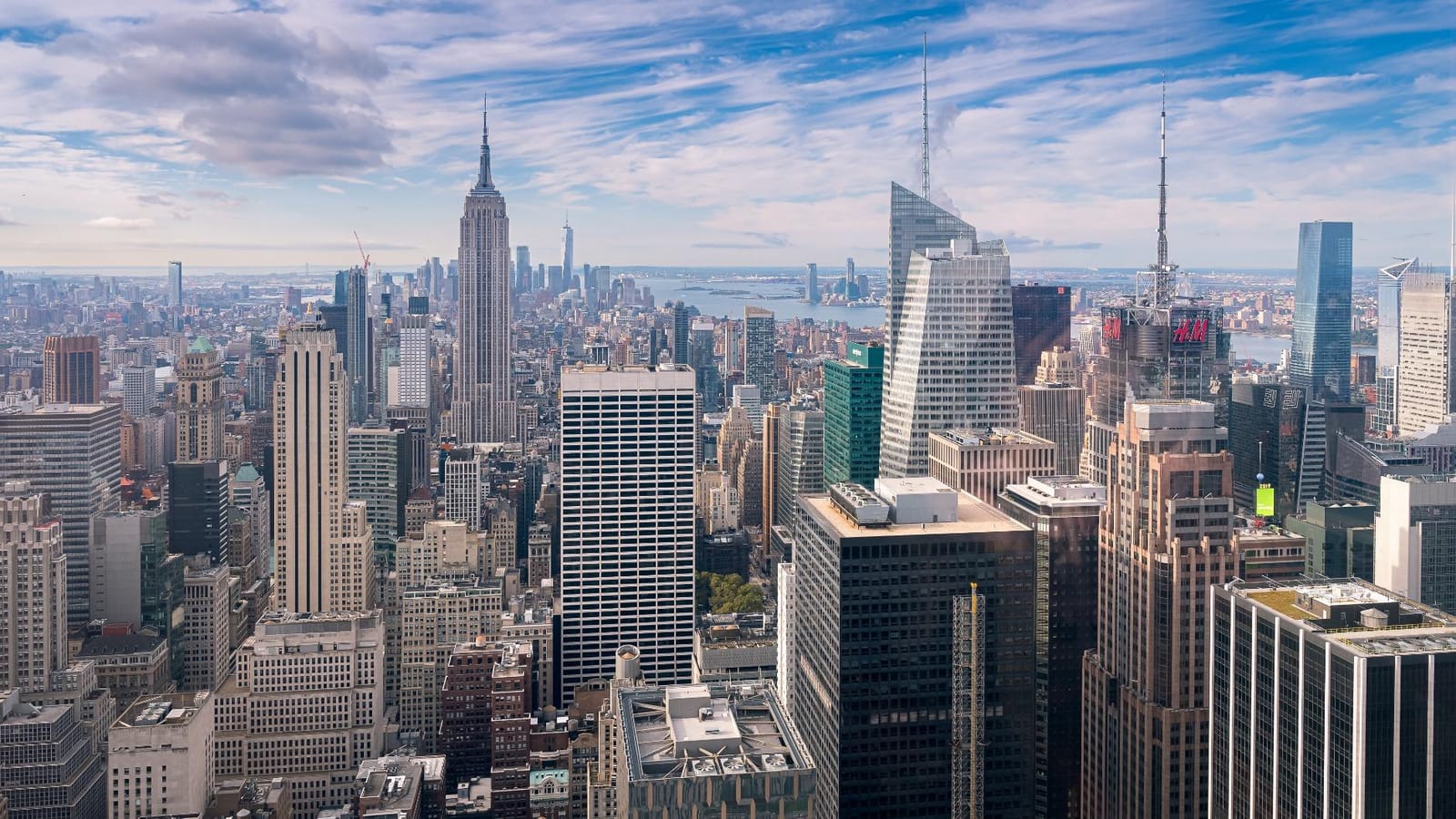
The Sony FE 24mm f/1.4 GM is the lens I’d take on a once-in-a-lifetime astrophotography trip. The f/1.4 aperture gathers light faster than any other 24mm in the Sony lineup, and the corner-to-corner sharpness wide-open is genuinely remarkable for such a fast aperture. The 11-blade aperture produces beautiful sun stars when stopped down for landscape work, which is a bonus for hybrid shooters who do both astro and daytime landscape.
I tested this lens on a Sony a7S III during a Milky Way shoot in Death Valley. The f/1.4 aperture let me use 8-second exposures at ISO 6400 for sharp stars, no tracking mount required. The lens focused reliably on stars via manual focus magnification, and the optical image stabilization helped for handheld video of the night sky. Build quality is typical G Master: metal construction, weather sealing, and a satisfying click on the aperture ring.
Reviewers consistently call this the best astrophotography lens for Sony E mount. The main tradeoff is weight, at 15.68 ounces it’s heavier than the 20mm f/1.8 G, and the price is higher. But for the specific combination of f/1.4 aperture, 24mm focal length, and corner sharpness, this lens is in a class of its own. The slight focus breathing is a real consideration for serious videographers, but for stills-focused creative photographers it’s a non-issue.
For whom it’s good
Astrophotographers who need the fastest possible aperture for Milky Way photography without a tracking mount. Hybrid shooters who do both landscape and astro with the same lens. Photographers who value the 11-blade aperture for sun stars and bokeh in environmental portraits.
For whom it’s not
Photographers on a budget (this is a premium lens at a premium price). Anyone who needs the widest field of view (the 20mm f/1.8 G offers a wider angle for similar money). Travel photographers who prioritize absolute minimum weight.
9. Viltrox 9mm f/2.8 – Best Ultra-Wide for Sony APS-C on a Budget
VILTROX 9mm F2.8 E-Mount APS-C Lens for Sony, Auto Focus Ultra-Wide Prime Lens for Sony E-Mount Cameras FX30 ZV-E10 ZV-E10II A6700 A6600 A6500 A6400 A6300 A6100
Sony E APS-C
9mm prime
f/2.8 aperture
0.17 kg weight
113.8 degree FOV
Pros
- Very affordable ultra-wide for Sony APS-C
- Compact and lightweight (~175g)
- Sharp with good distortion control
- Effective Eye/Face autofocus
- Bright f/2.8 aperture for low light
- Close 0.13m minimum focus distance
Cons
- No image stabilization
- Some vignetting at f/2.8
- Plastic build quality
The Viltrox 9mm f/2.8 is what I’d buy for a vlogging setup with a Sony ZV-E10 or a6700. At 113.8 degrees of field of view, you can hold the camera at arm’s length and still fit yourself and a wide background in the frame. At 175 grams, the lens doesn’t unbalance a small Sony body on a gimbal, which makes it ideal for hybrid creators who shoot both video and stills.
I tested this lens on a Sony a6700 paired with a small gimbal for a travel video project. The Eye/Face autofocus tracked reliably during walking shots, and the f/2.8 aperture let me shoot golden-hour scenes with a shallow depth of field that looks more “cinematic” than typical vlog footage. The minimum focus distance of 0.13m (about 5 inches) is unusually close for an ultra-wide, which lets you get dramatic close-up compositions with strong foreground elements.

Reviewers consistently describe this lens as “exceptional value” for Sony APS-C shooters. The plastic build is the main compromise, but on a small Sony body it doesn’t create any practical flex issues. There’s some vignetting at f/2.8 wide-open, but for video work this is rarely noticeable, and for stills the in-camera correction handles it perfectly. If you’re a vlogger or content creator on Sony APS-C, this is the wide-angle to get.
For whom it’s good
Sony APS-C vloggers and content creators who need the widest possible field of view at the lowest price. Travel photographers who want a lightweight ultra-wide for backpack trips. Anyone shooting real estate or interior photography on a budget.
For whom it’s not
Full-frame Sony shooters (this is an APS-C only lens, and the image circle won’t cover a full-frame sensor). Photographers who need fully weather-sealed construction for harsh conditions. Anyone who needs optical image stabilization for handheld low-light work.
10. Canon EF 16-35mm f/2.8L II USM – Best Professional Workhorse
Canon EF 16-35mm f/2.8L ll USM Zoom Lens for Canon EF Cameras
Canon EF mount
16-35mm zoom
Constant f/2.8
L-series optics
635 g weight
Pros
- Constant f/2.8 aperture
- Excellent sharpness with L-series optics
- Fast and silent ring USM autofocus
- Robust professional build quality
- Great for landscape architecture and events
Cons
- Heavy at 635g
- Chromatic aberration in corners at some apertures
- Softer center at 35mm wide open
- Large 82mm filter size adds cost
- Vignetting on full frame at f/2.8
The Canon EF 16-35mm f/2.8L II USM is the lens I’d pack for a multi-day commercial shoot where I can’t afford to miss a frame. The constant f/2.8 aperture covers landscape, architecture, wedding ceremonies, and event work in a single zoom. The L-series build quality means it survives being tossed in a gear bag, bumped against door frames, and used in light rain without complaint. For Canon DSLR shooters who need one lens that does everything well, this is the workhorse.
I used this lens for a week-long architectural photography project in Chicago. The 16mm wide end let me capture dramatic interiors of lobbies and museums, the 35mm end worked for tighter architectural details, and the constant f/2.8 aperture handled dim interior lighting without pushing the ISO uncomfortably high. The L-series coatings kept flare under control when shooting toward windows during daytime shoots, and the autofocus was fast and decisive throughout.
Reviewers consistently describe this as a “professional workhorse” and that’s the right word. The main tradeoffs are weight (635g, heavier than most wide-angle zooms) and the 82mm filter requirement (filters cost more than the smaller 67-77mm standard). The lens shows its age in some corner performance metrics, but for real-world architectural and event work it’s still an excellent tool. If you’re a Canon DSLR shooter with an EOS 5D Mark IV or similar, this lens belongs in your bag.
For whom it’s good
Canon EF DSLR shooters who need one constant f/2.8 wide-angle zoom for landscape, architecture, weddings, and events. Professionals who value build quality and reliability over absolute corner sharpness. Photographers with a stable of 82mm filters who want a single lens that covers every creative wide-angle scenario.
For whom it’s not
Canon RF mirrorless users (this is an EF lens and works best on native EF bodies; with an adapter it works but adds bulk). Travel photographers who prioritize minimum weight. Budget-conscious beginners who don’t yet need the constant f/2.8 aperture.
Buying Guide: How to Choose a Wide Angle Lens for Creative Work?
A wide-angle lens is the single most powerful creative tool you can add to your kit, but only if you choose the right one for your camera, your subjects, and your style. Below is the framework our team uses when recommending lenses to readers, broken into the decisions that actually matter.
Understanding Focal Length: Wide Angle vs Ultra-Wide
On a full-frame camera, focal lengths from about 24mm to 35mm are considered “wide angle,” while anything shorter than 24mm crosses into “ultra-wide” territory. Fisheye lenses go even wider (typically 8-16mm) but produce a curved, distorted image that’s a creative choice rather than a default. For most creative photography (landscape, architecture, environmental portraits), the sweet spot is 14-24mm on full-frame, or 10-18mm on APS-C.
A 24mm lens is wide enough for many creative uses, but it doesn’t produce the exaggerated foreground perspective that defines wide-angle photography. If you want the dramatic “small subject in a vast world” look, you need to go wider, into the 14-20mm range. If you primarily shoot environmental portraits or interior work, 24-35mm can be sufficient.
Prime vs Zoom: The Real Tradeoffs
Wide-angle primes typically offer faster maximum apertures (f/1.4 to f/2.8) in smaller, lighter bodies. They’re sharper wide-open and produce better results for astrophotography and low-light work. The tradeoff is versatility: with a 16mm prime, you can’t frame a tighter shot without moving your feet.
Wide-angle zooms offer flexible framing from a single position, which is valuable for events, weddings, and architecture where you can’t easily change your vantage point. The tradeoff is size, weight, and typically a slower maximum aperture. For most creative photographers, the right answer is one of each: a fast prime for low-light and astro, and a versatile zoom for general use.
Mount Coverage: Sony E, Canon RF, Nikon Z, Fujifilm X
The single biggest mistake photographers make is buying a wide-angle lens without confirming native mount compatibility. Sony E mount has the deepest native wide-angle lineup, with options from Sony, Sigma, Tamron, Tokina, Viltrox, and third parties. Canon RF has good first-party options and growing third-party support. Nikon Z has the FTZ adapter for using F-mount lenses with some performance tradeoffs. Fujifilm X has limited native ultra-wide options, making adapted lenses a real consideration.
If you shoot Sony APS-C, the best value is the Sigma 16mm f/1.4 DC DN Contemporary (covered above) or the Viltrox 9mm f/2.8. If you shoot Canon RF, the Canon RF 16mm f/2.8 STM is the budget pick and the RF 15-35mm f/2.8L is the premium pick. If you shoot Nikon Z, look at the Nikkor Z 14-30mm f/4 or adapt a Tokina 11-16mm f/2.8.
Filter Systems for Landscape Wide-Angles
Landscape photographers use graduated ND filters and circular polarizers more than any other accessories, but wide-angle zooms with bulbous front elements (Nikon 14-24, Sigma 14-24, Tamron 15-30) can’t accept standard screw-in filters. The solutions are rear filter holders (150mm square systems) or front filter adapter kits that fit specific lens hoods. If you plan to shoot long exposures or manage reflections on water/wet rocks, plan for filter cost when choosing a wide-angle zoom.
Primes and smaller-aperture zooms with traditional front filter threads (77mm, 82mm) accept standard screw-in filters, which is one reason the Canon EF-S 10-22mm and Sigma 10-20mm f/3.5 remain popular for budget landscape work. For creative photographers who already own 77mm or 82mm filters, picking a lens with a matching filter thread saves hundreds in adapter costs.
Creative Techniques for Wide-Angle Shooting
The single most powerful creative technique with wide-angle lenses is exaggerated foreground perspective. Get low, get close to a foreground subject (a rock, a flower, a person), and let the wide-angle do the work of making that subject look enormous against a distant background. This is the look that defines landscape and travel photography.
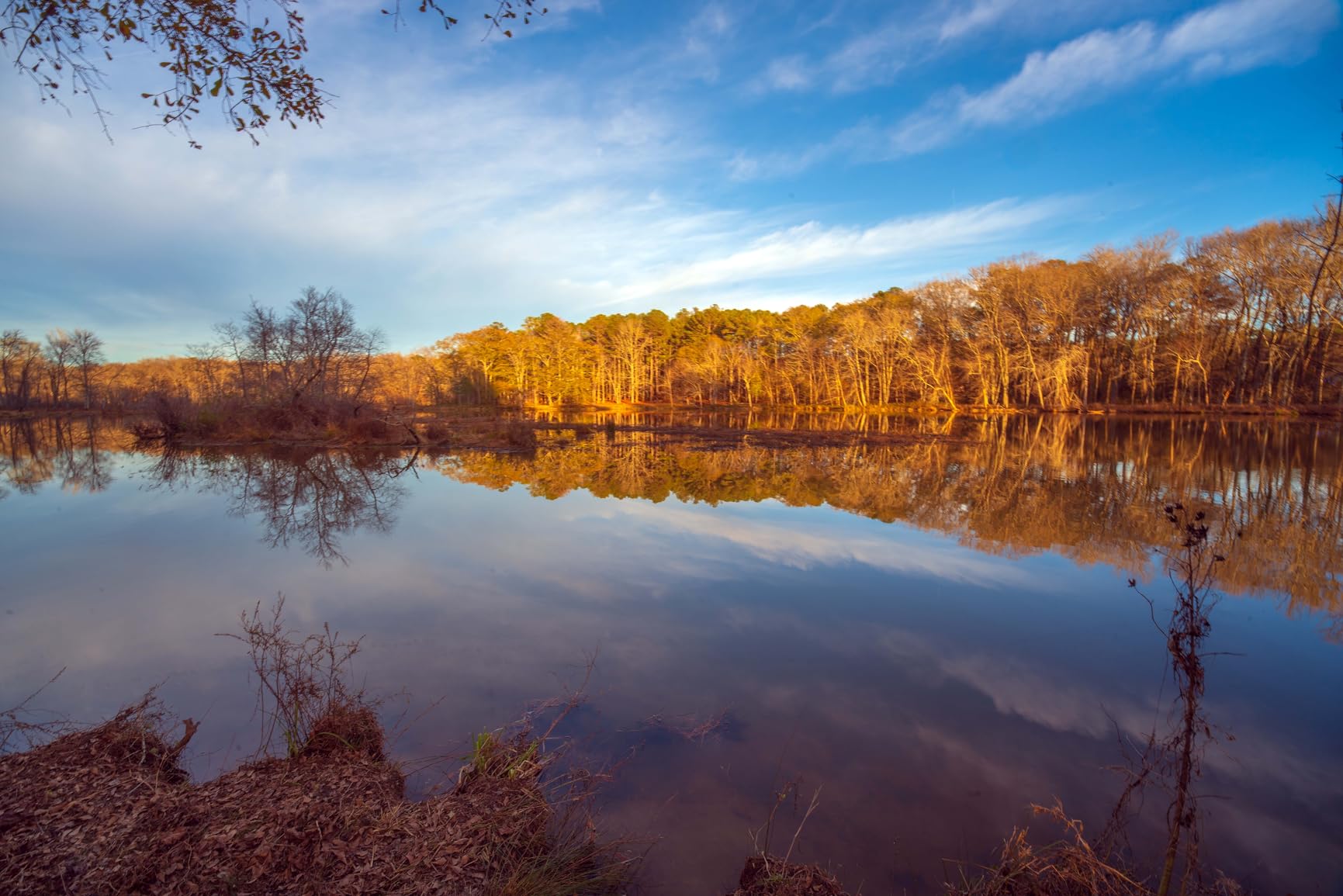
Leading lines are another wide-angle signature. Use roads, fences, rivers, or building edges to draw the viewer’s eye into the frame, and let the wide-angle exaggerate the convergence. The technique works for street photography, architecture, and landscape alike. Finally, environmental portraits benefit from wide-angle distortion, used deliberately. Place a subject at the edge of the frame and they’ll look larger-than-life against their surroundings, perfect for travel portraits.
Frequently Asked Questions
What is the best wide angle lens for creative photography?
The best overall wide-angle lens for creative photography is the Sigma 16mm f/1.4 DC DN Contemporary for Sony E mount. It combines a fast f/1.4 aperture, sharp optics across the frame, reliable autofocus, and weather sealing in a compact body that works on both APS-C and full-frame Sony bodies.
Which wide angle lens is best for landscape photography?
For landscape photography, the Sony FE 20mm F1.8 G produces the sharpest results corner to corner at f/8, while the Canon EF 16-35mm f/2.8L II USM offers versatile framing in a single zoom. Budget-conscious shooters get excellent landscape results from the Sigma 10-20mm f/3.5 on Nikon DX or the Canon EF-S 10-22mm f/3.5-4.5 on Canon APS-C.
What wide angle lens is best for astrophotography?
For astrophotography, the Sony FE 24mm F1.4 GM is the top choice thanks to its f/1.4 aperture and corner-to-corner sharpness wide-open. On a budget, the Sigma 16mm f/1.4 DC DN Contemporary pulls in enough light for Milky Way photography, and the Tokina 11-16mm f/2.8 offers constant f/2.8 on Nikon DX bodies.
Is a 24mm lens wide angle enough for creative photography?
A 24mm lens is wide enough for environmental portraits and tighter landscape compositions, but it does not produce the exaggerated foreground perspective that defines wide-angle creative photography. For dramatic landscapes with foreground subjects, you typically need 14-20mm on full-frame or 10-16mm on APS-C.
Should I get a prime or zoom wide angle lens?
Primes offer faster apertures, smaller bodies, and sharper wide-open performance, making them ideal for astrophotography and low-light work. Zooms offer versatile framing from one position, which is valuable for events, weddings, and architecture. Most creative photographers end up with both: a fast prime for low-light and a versatile zoom for general use.
Is f/2.8 enough for wide angle night photography?
f/2.8 is enough for wide-angle night photography on modern mirrorless bodies with good high-ISO performance. For the best Milky Way results without a tracking mount, f/1.4 to f/2.0 lets you use shorter exposures that keep stars sharp. f/2.8 zooms are excellent for aurora photography and urban night scenes.
Final Verdict: Which Wide Angle Lens Should You Buy?
After testing these 10 lenses across landscape, architecture, astrophotography, environmental portraits, and video, our top recommendation remains the Sigma 16mm f/1.4 DC DN Contemporary (our Editor’s Choice) for Sony E shooters who want one lens that does everything creative well. For Canon RF shooters, the Canon RF 16mm f/2.8 STM is the gateway lens that costs little and delivers a lot. For landscape shooters on any system who print large or crop aggressively, the Sony FE 20mm f/1.8 G produces some of the sharpest results we’ve seen.
Whatever lens you pick, the best creative wide-angle is the one you’ll carry with you. A 16mm prime that lives in your bag beats a 14-24mm zoom that sits at home because it’s too heavy. Start with the focal length and aperture that match your most common subject, and you’ll find yourself reaching for it on every creative outing in 2026 and beyond.