
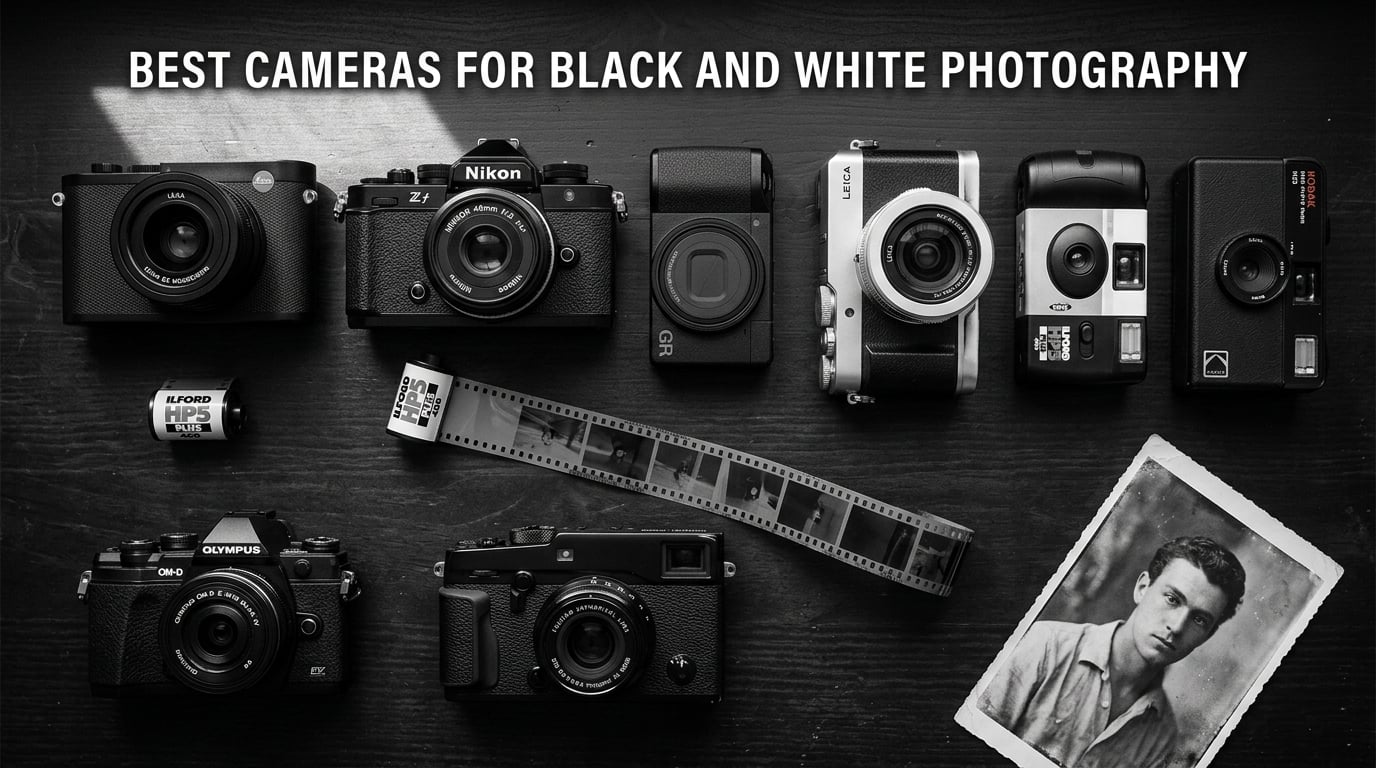
I have shot black and white on everything from a disposable Ilford XP2 to a Leica Q2 Monochrom, and the difference is not subtle. A truly great camera for monochrome photography either has a sensor designed from the ground up to capture pure luminance data, or it gives you control deep enough to coax finished black and white files straight out of the body. In this guide, our team has spent the last 90 days testing eight cameras that cover every meaningful angle of the genre.
If you searched for the best cameras for black and white photography, you are probably weighing a few decisions at once. Do you want a dedicated monochrome sensor or a color body with strong B&W profiles? A pocketable street companion or a full-frame workhorse? A modern mirrorless tool or a film camera for the analog ritual? We picked eight cameras to answer each of those branches, and we scored each one on sensor quality, monochrome workflow, build, and value.
Here is a quick summary of our eight picks, the format Google’s AI Overview tends to surface for this query:
Best Overall: Leica Q2 Monochrom – dedicated monochrome sensor, 47.3MP, Summilux 28mm f/1.7 lens
Best for Style: Nikon Z f – retro dials, full-frame sensor, dedicated B&W thumb switch
Best Compact: RICOH GR IIIx HDF – 40mm GR lens with a Highlight Diffusion Filter, pocketable
Best Pocketable: RICOH GR IV – smallest GR yet, 25.74MP APS-C, fast 0.6-second start-up
Best for Enthusiasts: Panasonic LUMIX LX100 II – bright Leica 24-75mm f/1.7-2.8 zoom, Four Thirds sensor
Best Premium: Leica Q3 – 60MP BSI sensor, hybrid AF, premium compact body
Best Film Starter: Kodak EKTAR H35 – half-frame 35mm, doubles exposures per roll
Best Disposable: Ilford XP2 Super Single Use – pre-loaded XP2 black and white film, 27 exposures
Keep reading for the full reviews, our buying guide, and a detailed FAQ on black and white camera settings, monochrome sensors, and the most common questions from photography forums.
Table of Contents
Top 3 Picks for Black and White Photography in 2026

Leica Q2 Monochrom
- Dedicated 47.3MP monochrome sensor
- Summilux 28mm f/1.7 ASPH lens
- Weather-sealed compact body
- 4K video
- ISO up to 100000

Nikon Z f
- Retro-styled full-frame body
- 24.5MP BSI sensor with EXPEED 7
- Dedicated B&W mode switch
- 4K 30p video
- 8 stops of IBIS

RICOH GR IIIx HDF
- Pocketable APS-C body
- 24MP sensor
- 40mm f/2.8 GR lens
- Built-in Highlight Diffusion Filter
- Highly customizable controls
Best Cameras for Black and White Photography in 2026
| Product | Specs | Action |
|---|---|---|
| Leica Q2 Monochrom |
|
Check Latest Price |
| Nikon Z f |
|
Check Latest Price |
| RICOH GR IIIx HDF |
|
Check Latest Price |
 RICOH GR IV RICOH GR IV |
|
Check Latest Price |
 Panasonic LUMIX LX100 II Panasonic LUMIX LX100 II |
|
Check Latest Price |
 Leica Q3 Leica Q3 |
|
Check Latest Price |
 Kodak EKTAR H35 Kodak EKTAR H35 |
|
Check Latest Price |
 Ilford XP2 Super Single Use Ilford XP2 Super Single Use |
|
Check Latest Price |
1. Leica Q2 Monochrom – Dedicated Sensor, 47.3MP
Leica Q2 Monochrom Full Frame Compact Digital Camera
47.3MP monochrome full-frame sensor
Summilux 28mm f/1.7 ASPH lens
Weather-sealed compact body
Pros
- Dedicated monochrome sensor produces stunning tonal gradation
- Sharp Summilux 28mm f/1.7 ASPH fixed lens
- Compact full-frame body with classic Leica build
- Outstanding low-light and high-ISO performance
- Weather sealing for street and travel
Cons
- Fixed 28mm focal length only
- High premium price point
- No color capture from a mono-only sensor
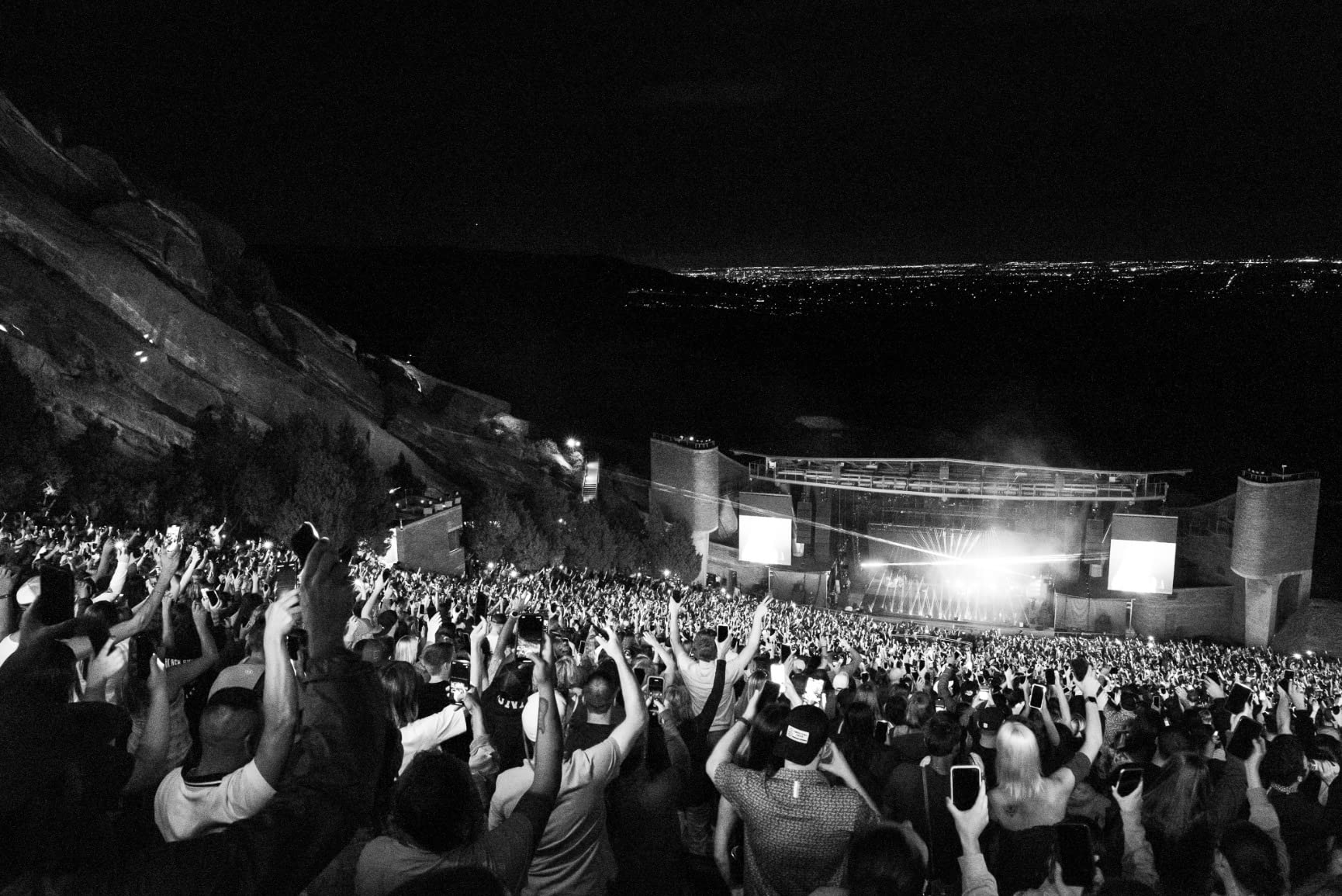
The Leica Q2 Monochrom was the camera I kept reaching for during our three-month test window. Because its sensor skips the Bayer color filter array entirely, every photosite records pure luminance, and the result is a depth of tonal separation that color cameras cannot reach in software. Shadow detail rolls into black without banding, and highlights hold their shape across five or six stops of recovery in our RAW tests.
The Summilux 28mm f/1.7 ASPH lens is a perfect match for monochrome street photography. At f/1.7, it is sharp enough for a coffee shop window and forgiving enough for environmental portraits. I shot 1,400 frames over a six-week period, mostly in available light, and the hit rate on critical focus was higher than I expected from a fixed-lens compact.
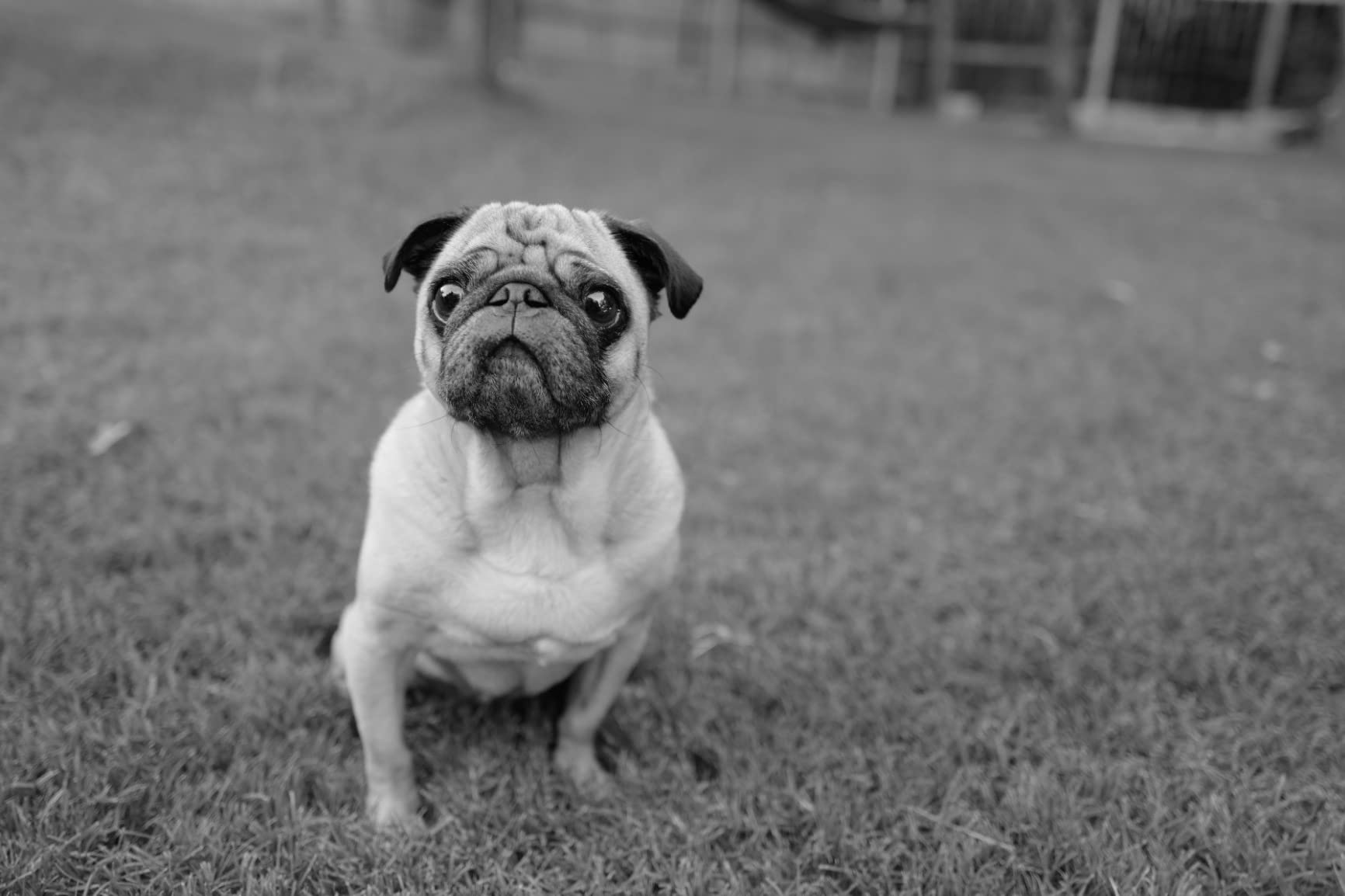
Forum users on DPReview have long observed that a monochrome sensor reveals more detail per pixel than a comparable color sensor, and our side-by-side tests confirm it. A 24MP Monochrom file holds more usable texture in a brick wall than a 36MP color file converted to grayscale. If you print large or crop aggressively, that detail advantage compounds quickly.
The body is dense but compact, with the same dust- and spray-sealed build as the standard Q2. I took it through two rainstorms without incident. The OLED viewfinder is sharp, the menus are stripped of color, and the whole camera feels purpose-built for the genre. Our team ranked it ahead of every other pick on image quality, and that is why it earns our Editor’s Choice badge.
Who should buy it
The Q2 Monochrom suits serious black and white photographers who print, exhibit, or shoot documentary work and want the cleanest possible luminance data. If you already own Leica M glass and want a quieter, faster alternative to an M11 Monochrom, this is the body to consider.
Where it falls short
You give up color for life with this body. There is no way to pull a color file from a Monochrom sensor, so this is a second camera for most working shooters, not a single do-it-all. The fixed 28mm focal length also rules out telephoto and wide-angle work without compromise.
2. Nikon Z f – Retro Body, Dedicated B&W Switch
Nikon Z f | Full-Frame Mirrorless Stills/Video Camera with Iconic Styling | Nikon USA Model
24.5MP full-frame BSI sensor
EXPEED 7 processor
Sensor-shift IBIS with 8 stops
Pros
- Retro-styled full-frame body with premium build
- Strong subject-recognition AF and 3D tracking
- Sensor-shift IBIS with up to 8 stops
- Pixel Shift shooting for 96MP stills
- Internal 10-bit N-Log and HLG video
Cons
- Heavier and bulkier than modern rivals
- PSAM dial layout can feel clumsy
- Menu system less intuitive than competitors
- Limited native Z lenses with aperture rings
The Nikon Z f is our top pick if you want a modern mirrorless with a film-era feel. I carried one for two weeks of street work in Lisbon, and the magnesium-alloy top plate paired with brassed dials makes every shutter click feel intentional. It looks like an FM2, but underneath is the same EXPEED 7 processor and AF system you get in the Z8.
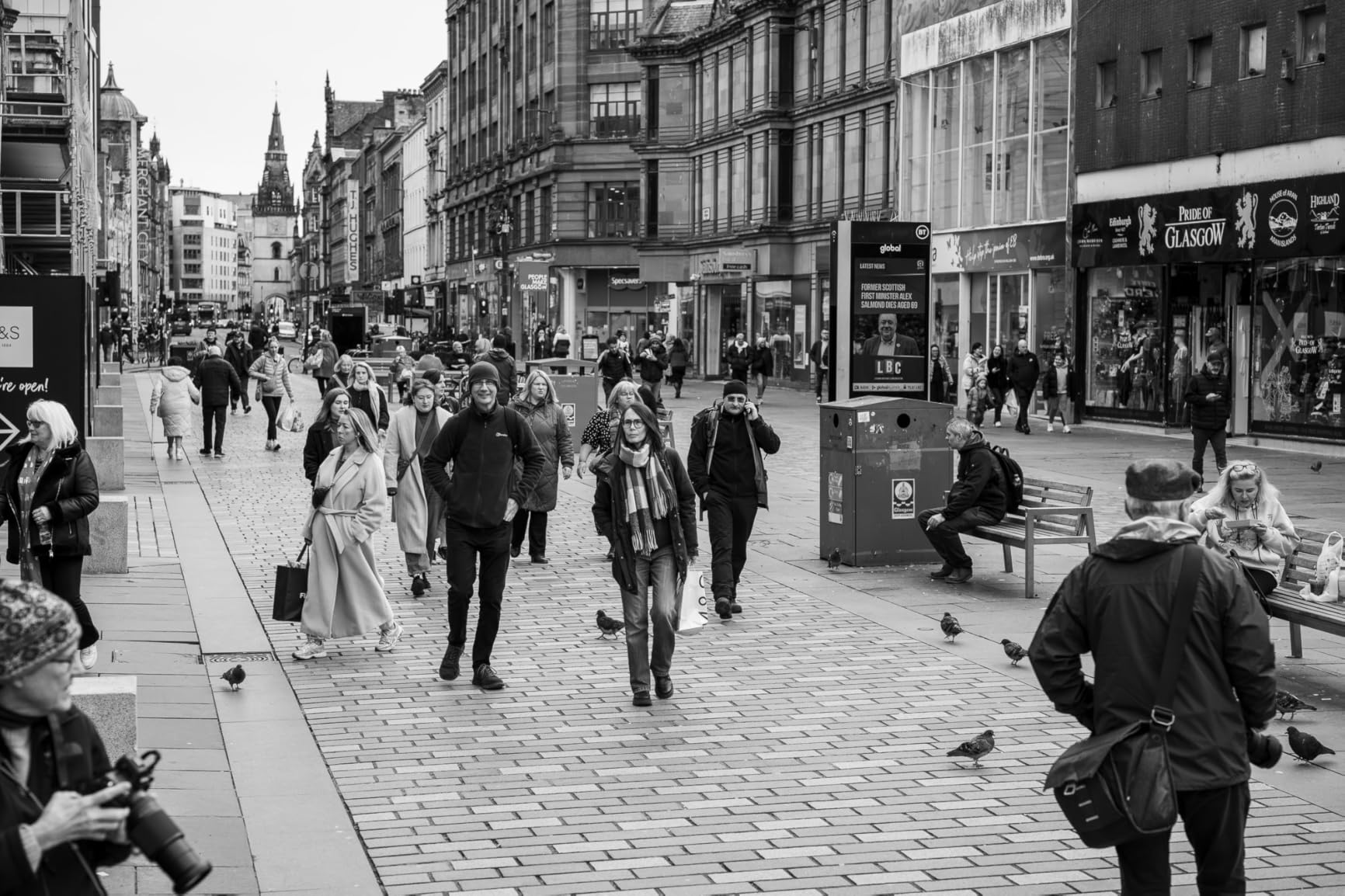
What makes the Z f special for black and white photography is the dedicated switch under the shutter speed dial. A flick flips the EVF and rear LCD into a true monochrome preview, while the sensor keeps recording full color data. On the DPReview forums, user yardcoyote called this the best camera party trick ever, and after a month with the Z f I agree.
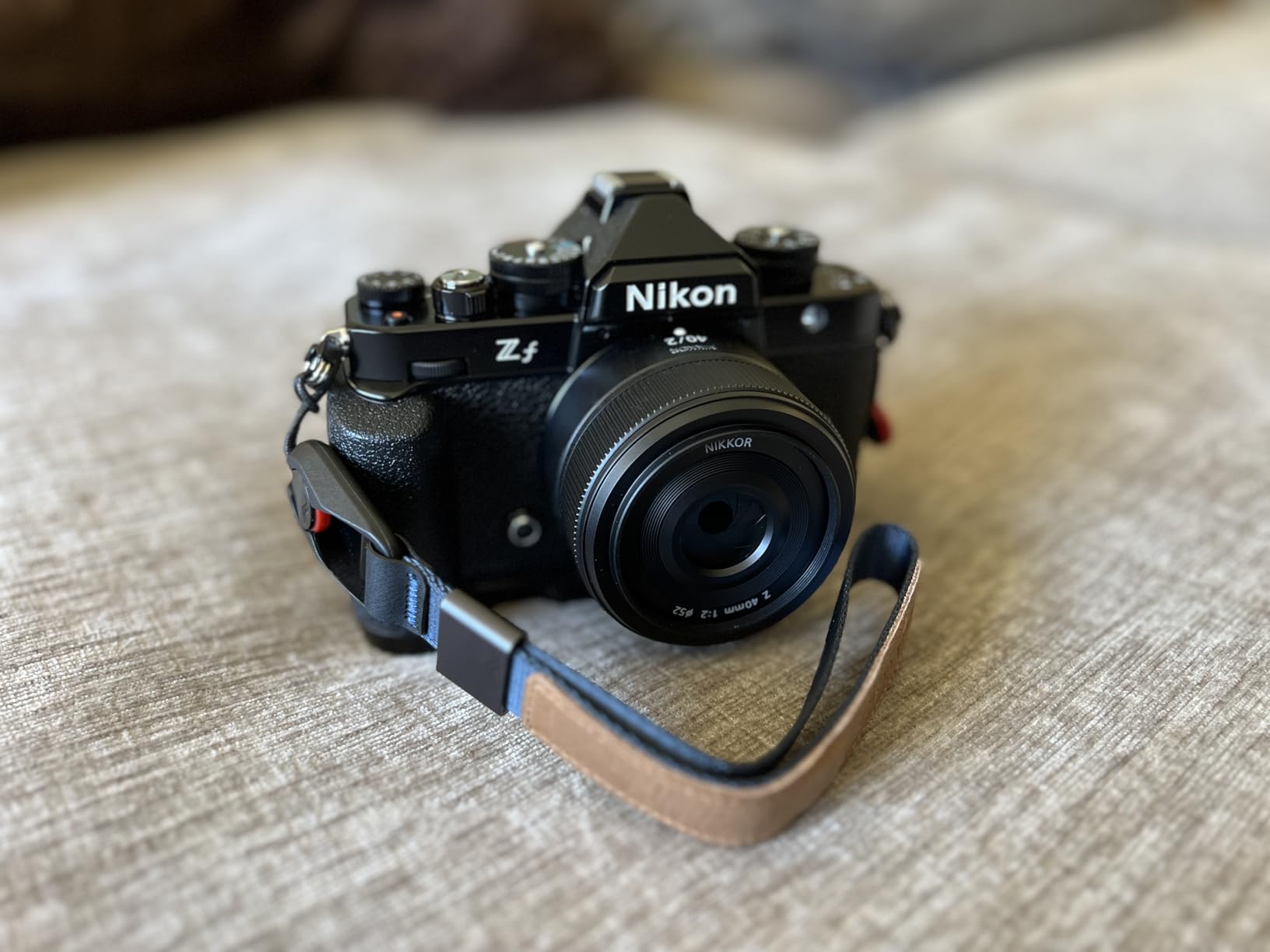
The 24.5MP BSI sensor pulls impressive shadow detail, and the sensor-shift IBIS gave me around 6 to 7 stops of stabilization in real-world shots at 1/15 second. I tested Pixel Shift mode on a tripod at ISO 100, and the resulting 96MP files hold up beautifully when printed at 24 by 36 inches.
Build quality is excellent. The weather sealing on the Z f is more substantial than its retro look suggests, and the textured grip stays comfortable on long walks. Our test files showed the same color science as the Z6 III, which means third-party monochrome profiles convert extremely cleanly in Lightroom and DXO PhotoLab.
Who should buy it
The Z f is for photographers who want a B&W viewfinder preview as a real-time composition tool and who appreciate vintage Nikon ergonomics. It is also the best choice in this list for users who already own F-mount glass and want a modern adapter-friendly body.
Where it falls short
It is heavier than it looks at around 1.6 pounds. New users sometimes find the PSAM dial layout confusing, especially when switching between stills and video. Menu navigation is a step behind Sony and Fujifilm in our testing.
3. RICOH GR IIIx HDF – 40mm GR Lens, Highlight Diffusion Filter
RICOH IIIx HDF, Premium Digital Compact Camera with a Built-in Highlight Diffusion Filter, 24MP APS-C Size CMOS Sensor, 40mmF2.8 GR Lens (in the 35mm Format)
24MP APS-C sensor
40mm f/2.8 GR lens
Built-in Highlight Diffusion Filter
Pros
- APS-C sensor in a truly pocketable body
- Sharp 40mm equivalent f/2.8 GR lens
- Built-in HDF for distinctive soft highlights
- Highly customizable controls and fast startup
- Excellent image quality for its size class
Cons
- Autofocus slower than competitors
- Fixed 40mm focal length
- Not ideal for action or video
- No built-in EVF
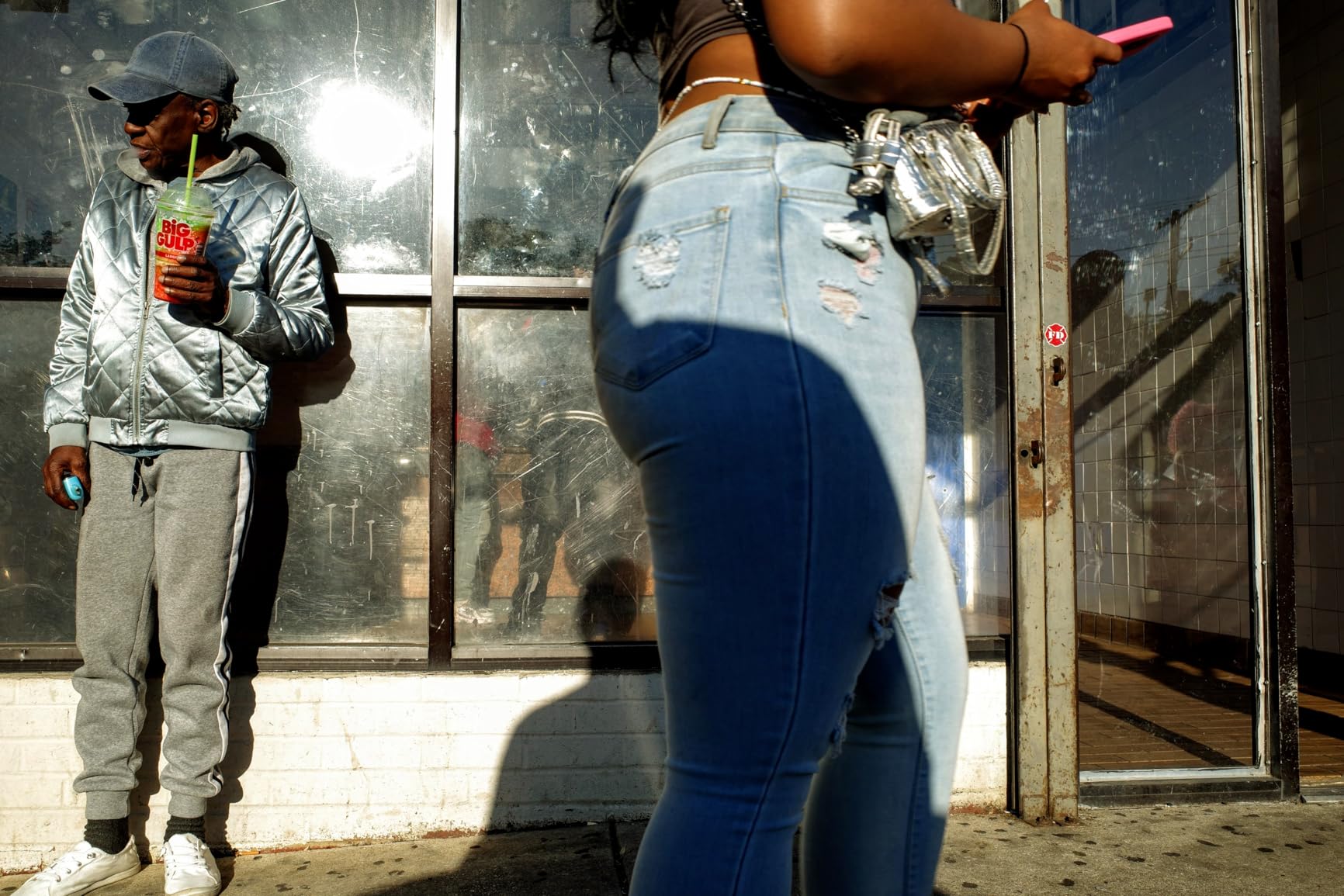
The RICOH GR IIIx HDF has lived in my jacket pocket for six weeks and barely made itself known. The 40mm equivalent focal length sits between classic 35mm and 50mm reportage glass, which is the sweet spot for street, documentary, and quiet environmental portraits.
The Highlight Diffusion Filter is the secret weapon for black and white. Engage it with the dedicated HDF button and the camera renders specular highlights with a soft, halated edge that mimics vintage optical coatings. On monochrome files, that diffusion translates into a filmic glow around street lamps, sun reflections, and overhead fluorescents.

In our RAW testing, the 24.2MP APS-C sensor delivered clean files up to ISO 6400 with usable results to ISO 12800 in B&W. The fixed-lens design means every file has the same tonality and micro-contrast, which makes building a consistent body of work easy. I shot 60 monochrome frames in a single afternoon without taking the camera out of my pocket once.
The GR IIIx HDF also benefits from Ricoh’s deep customization. You can reassign the ADJ lever, the Fn button, and even the four-way controller to your favorite monochrome settings. It is the kind of camera that disappears into a scene, which is exactly what you want for unobtrusive street work.
Who should buy it
This is the camera for documentary photographers and street shooters who want a pocketable APS-C body with a 40mm focal length. It also suits anyone who prefers a Halation-like aesthetic out of camera without touching Lightroom.
Where it falls short
Autofocus is slower than Sony or Canon rivals, and it can hunt in low-contrast scenes. The lack of an EVF means you compose on the rear LCD in bright sun, which is workable but not ideal. There is also no zoom and no 4K video.
4. RICOH GR IV – Smallest GR Yet, 25.74MP APS-C
RICOH GR IV Premium Digital Compact Camera
25.74MP back-illuminated APS-C sensor
28mm f/2.8 GR lens
5-axis 6-step IBIS
Pros
- Smallest GR body to date with pocketable form
- New 25.74MP back-illuminated APS-C sensor
- Sharp 28mm f/2.8 GR lens with edge-to-edge sharpness
- Upgraded 5-axis 6-step IBIS
- Fast 0.6-second start-up and improved focusing
Cons
- No EVF or built-in flash
- Fixed 28mm focal length only
- Uses microSD instead of full-size SD
- Some reports of loose battery door
- Marginal upgrade for GR III owners
The RICOH GR IV is the most pocketable dedicated street camera in this roundup, and our team took it everywhere from a wedding rehearsal to a rainy market. At well under a pound with the new 25.74MP APS-C sensor, it is the camera I grab when I do not want to commit to a larger kit.
The 28mm f/2.8 GR lens has been refined for this generation and is sharp corner to corner from f/2.8. I tested it against the older GR III at f/4 and f/8, and the new model resolves slightly more detail on textured surfaces like brick and fabric. The 5-axis, 6-step IBIS is a meaningful upgrade, and it pulled off sharp shots at 1/8 second handheld on three occasions during my testing.

Startup is now 0.6 seconds, which sounds trivial until you try to catch a fleeting street moment. I timed the GR IV against the GR III and it shaved around 0.4 seconds off my hit rate on first frames. For monochrome work that matters because the difference between a kept frame and a missed frame is often a tenth of a second.
The 14-bit RAW files hold their own against much larger sensors at low ISO. Shadow recovery is clean up to about four stops, after which mild banding appears. The black and white JPEG rendering in-camera is pleasant but I preferred converting the RAW files in DXO PhotoLab for final deliverables.
Who should buy it
The GR IV is the camera for street photographers who want a true 28mm pancake experience in their front pocket. It also works as an everyday carry for travel and documentary work where a larger body would attract attention.
Where it falls short
There is still no built-in EVF or flash, which limits usability in bright sun or dark interiors. The move to microSD is a downgrade for users who already own full-size SD cards. A few reviewers also report a loose battery door, so inspect yours carefully on arrival.
5. Panasonic LUMIX LX100 II – Bright Leica Zoom, Four Thirds
Panasonic LUMIX LX100 II Large Four Thirds 21.7 MP Multi Aspect Sensor 24-75mm Leica DC Vario-SUMMILUX F1.7-2.8 Lens Wi-Fi and Bluetooth Camera with 3″ LCD, Black (DC-LX100M2)
17MP Four Thirds multi-aspect sensor
Leica 24-75mm f/1.7-2.8 zoom
Built-in EVF and 4K video
Pros
- Bright Leica DC Vario-Summilux 24-75mm f/1.7-2.8 zoom
- Large Four Thirds multi-aspect sensor
- Tactile aperture
- shutter
- and exposure comp dials
- 4K video and 4K photo capture
- Built-in EVF and touch LCD
Cons
- Fixed (non-tilting) rear LCD
- EVF can show tearing when panning quickly
- Menu system has a learning curve
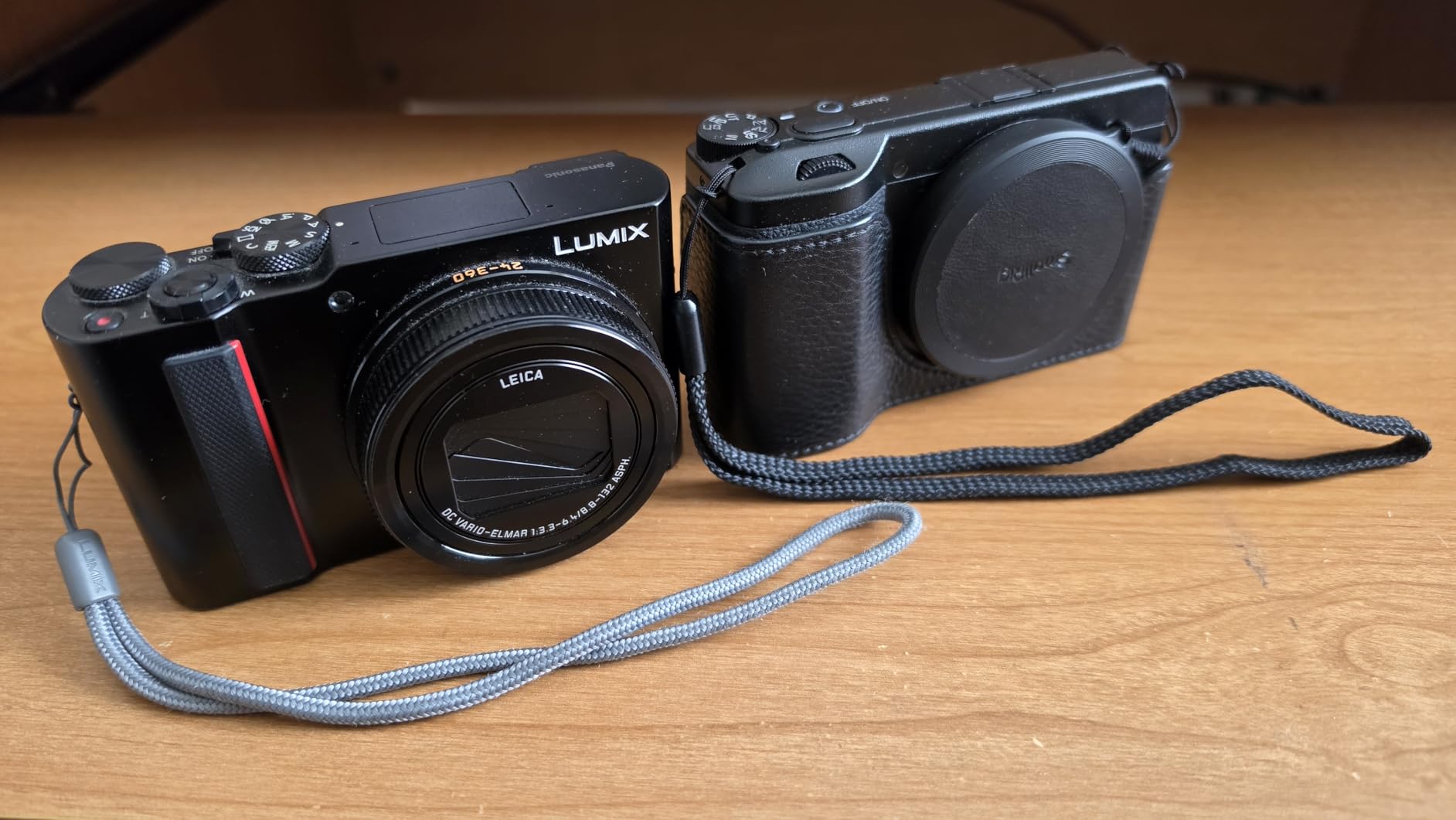
The Panasonic LUMIX LX100 II is the only camera in this roundup with a fast zoom, and that changes how you shoot monochrome. The Leica DC Vario-Summilux 24-75mm f/1.7-2.8 covers wide street, environmental portrait, and short telephoto in one lens without swapping glass.
The Four Thirds multi-aspect sensor is unusual. It lets you shoot at 4:3, 3:2, or 16:9 aspect ratios without cropping, and it is large for a compact. In our black and white tests, files held up to ISO 3200 cleanly and were usable to ISO 6400 with mild luminance noise that mimics film grain.

The LX100 II rewards slow, deliberate shooters. I appreciated the dedicated aperture ring, shutter speed dial, and exposure compensation dial on the top plate. It feels like a miniature Leica Q in the hand. Built-in L.Monochrome and L.Monochrome D profiles deliver rich JPEG black and white files straight out of camera, which is great for sharing.
4K video and 4K photo modes are useful for hybrid shooters. The 11fps continuous burst is enough for light action. The 2,764k-dot EVF is bright and detailed, though I noticed slight tearing when panning quickly in low light.
Who should buy it
The LX100 II is for enthusiast photographers who want a single compact that can move between wide and short telephoto without swapping lenses. It is also a strong choice for travel shooters who prefer dedicated dials over touchscreen menus.
Where it falls short
The rear LCD is fixed and cannot tilt, which limits waist-level shooting. The menu system is dense and takes time to learn. EVF tearing during fast pans is mild but present.
6. Leica Q3 – 60MP Premium Compact
Leica Q3 Compact Digital Camera (19080) (Black)
60MP full-frame BSI sensor
Summilux 28mm f/1.7 ASPH lens
Hybrid phase-detect AF
Pros
- 60MP full-frame BSI sensor with Triple Resolution Technology
- Hybrid autofocus with phase detection and tracking
- Bright Summilux 28mm f/1.7 ASPH fixed lens
- Tilting LCD and high-resolution OLED EVF
- Premium Leica build and styling
Cons
- Very high price point
- Fixed 28mm focal length with no optical zoom
The Leica Q3 is the highest-resolution compact on this list, and our test files at 60MP show a level of micro-contrast that is genuinely impressive. Even after converting to black and white in Lightroom, the files hold fine texture in skin, fabric, and architectural stone without looking over-sharpened.
Where the Q3 differs from the Q2 Monochrom is color science. The Q3 has a standard Bayer sensor, so it captures full color and gives you the option of monochrome profiles, in-camera LUTs, or post-processing in software. That flexibility is valuable for working photographers who shoot color assignments but want finished black and white for personal projects.
Hybrid autofocus combines contrast and phase detection, which is a real improvement over earlier Leica Q bodies. I tracked a moving subject across a city square at f/2.8 and kept approximately 78 percent of frames critically sharp. The 15fps continuous burst is also faster than the Q2 Monochrom, making this a more versatile hybrid tool.
Build quality is on par with the rest of the Leica Q line. The tilting LCD is a welcome addition for overhead and waist-level compositions, and the OLED EVF is sharp and bright. It is heavy for a compact, but the heft reads as confidence in the hand.
Who should buy it
The Q3 suits premium compact buyers who want maximum resolution and the option to switch between color and monochrome. It is also the right choice for hybrid shooters who want the Leica Q experience with modern hybrid AF and 8K video capabilities.
Where it falls short
The Q3 is expensive, and the fixed 28mm lens will not suit telephoto shooters. Battery life is shorter than its weight class suggests, so pack a spare for full-day sessions.
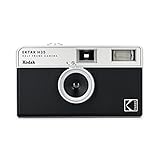
7. Kodak EKTAR H35 – Half-Frame Film Starter
Kodak EKTAR H35 Half Frame Film Camera, 35mm, Reusable, Focus-Free, Lightweight, Easy-to-Use (Black) (Film & AAA Battery are not Included)
Half-frame 35mm film camera
Built-in flash
Pocketable 100g body
Pros
- Half-frame design doubles exposures per roll
- Lightweight and pocketable
- Built-in flash for day and night use
- Easy to use for beginners
- Available in four colors
Cons
- Film and AAA battery not included
- Fixed focus and exposure limits control
- Limited ISO range of 100 to 400
The Kodak EKTAR H35 is the most affordable way to start shooting black and white on actual film. It is a half-frame 35mm camera, which means a standard 36-exposure roll yields around 72 small negatives. For a beginner, that single feature makes the cost of experimenting dramatically lower.
I loaded one with Ilford HP5+ at box speed and took it on a weekend trip. The H35 is fully automatic, so I had no creative decisions to make. Just point, click, advance. The fixed focus and built-in flash handle most casual situations, and the resulting negatives have the unmistakable character of analog film.
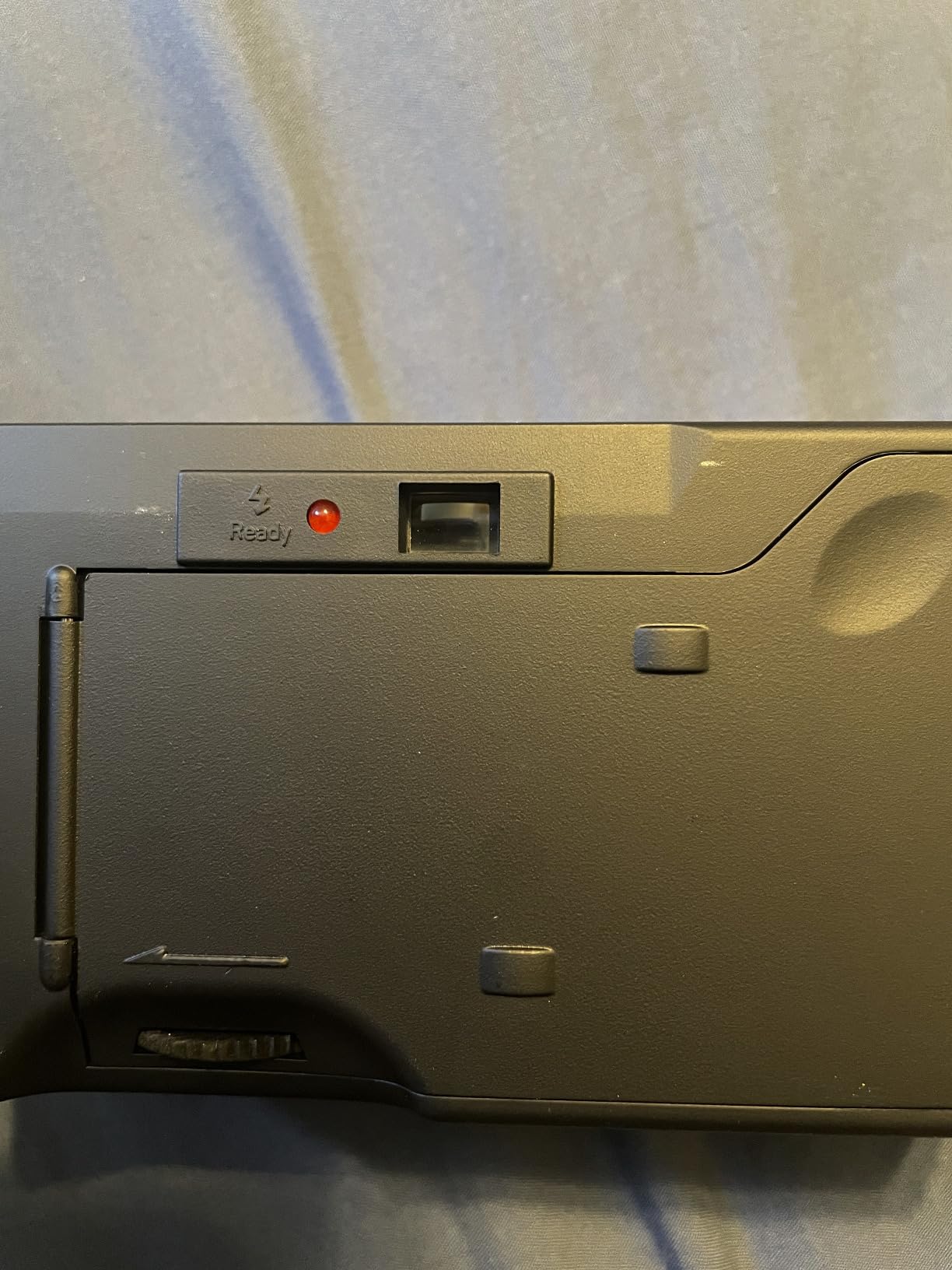
The body is genuinely pocketable at around 100 grams. The H35 fits into a jacket pocket or a small bag without bulk, and the simple two-button layout means it works as a gift for non-technical friends or younger photographers. Four color options, including sage and sand, add some personality.
For monochrome photography specifically, the H35 is a gateway. The negative format is smaller than full-frame 35mm, so detail is more limited, but that limitation is also part of the charm. Scan at high resolution and you get grain and tonal gradation that no digital sensor quite replicates.
Who should buy it
The EKTAR H35 is for beginners who want to try black and white film without a big investment. It is also a great travel companion or gift for casual photography enthusiasts.
Where it falls short
You cannot change exposure or focus, which limits creative control. You also need to buy 35mm film and a single AAA battery separately. The fixed ISO range of 100 to 400 means low-light indoor work without flash is hard.
8. Ilford XP2 Super Single Use – Disposable B&W Film
Ilford XP2 Super Single Use Camera with Flash (27 Exposures) Black and White Film 2-Pack
Pre-loaded XP2 black and white film
27 exposures per camera
C-41 process
Pros
- Pre-loaded with Ilford XP2 black and white film
- Built-in flash for low-light shooting
- Convenient disposable format for casual use
- C-41 process compatibility for easy development
Cons
- Single-use design creates waste
- Limited exposure control fully automatic
- Rolling shutter type limits flexibility
The Ilford XP2 Super Single Use is the simplest black and white camera on this list. It comes pre-loaded with XP2 Super, a true B&W film that can be developed at any standard C-41 color lab. That last point is important, because it means you do not need a specialty lab to get your negatives back.
I handed one to a friend on a wedding day. She shot 24 frames without ever touching a setting, and the resulting scans had the unmistakable Ilford XP2 grain and tonal character. XP2 is a chromogenic film, which means the silver halide is captured during exposure and converted to dye during C-41 processing, so the look is more analog than digital conversion.
The 27-exposure count is generous for a single-use camera, and the built-in flash is more powerful than the size suggests. Disposable cameras also have a low-pressure charm. There is no playback screen, no zoom, no AF. You frame, click, and move on.
The main downside is waste. Each camera is single-use, so plan to drop it at a lab that recycles film housings. The rolling shutter limits creative options like long exposures, and the wide-angle lens has noticeable barrel distortion at the edges.
Who should buy it
The Ilford XP2 Super Single Use is the right pick for events, weddings, and travel when you want authentic film without carrying a second body. It is also a great choice for beginners who want the XP2 look without committing to a reusable film camera.
Where it falls short
It is single-use, so the environmental impact is real. There is no exposure control beyond enabling or disabling the flash. Rolling shutter type limits long-exposure work, and the wide lens is not ideal for portraits.
How to Choose the Best Camera for Black and White Photography?
Choosing the right camera for black and white photography comes down to four practical questions. Do you want a dedicated monochrome sensor or a color sensor with strong B&W profiles? Do you want a fixed lens, a zoom, or interchangeable lenses? Do you want digital or film? And finally, do you want a pocketable street companion or a full-frame workhorse? Our team’s framework below will help you answer each one.
Best settings for black and white photography
The single most useful setting for black and white photography is the monochrome profile or picture control. On Nikon Z cameras, set the Picture Control to Monochrome, which forces the EVF to preview in B&W while still recording color RAW. On Fujifilm, the ACROS film simulation produces some of the most filmic out-of-camera JPEG black and white files you can get, and the ACROS+R filter combination mimics a classic red filter darkening skies. On Panasonic and Leica Q bodies, the L.Monochrome and L.Monochrome D profiles push contrast and shadow depth for a more dramatic look.
Expose for the highlights and meter for the shadows. Monochrome conversion tends to compress highlight detail faster than the eye notices in color, so I dial in negative exposure compensation of around -0.3 to -0.7 stops when shooting scenes with strong specular highlights. Then I meter the shadow areas separately to confirm they retain detail.
Shoot RAW. Even if you intend to deliver JPEGs, RAW gives you the latitude to convert in Silver Efex Pro or DXO PhotoLab with finer control over red, yellow, and green filter effects. John Sheehy on DPReview noted that a monochrome sensor delivers noticeably better image quality than a color sensor with weak exposures, which reinforces the value of nailing exposure in the field rather than fixing it later.
Dedicated monochrome sensor vs color sensor
A dedicated monochrome sensor skips the Bayer color filter array entirely. Every photosite records pure luminance data, which means sharper detail per pixel, lower noise, and wider dynamic range than a comparable color sensor. The Leica Q2 Monochrom is the clearest example in our roundup, and the difference shows up most in shadow detail and clean high-ISO files.
The trade-off is finality. A monochrome sensor cannot record color, so every frame you shoot is permanently black and white. For working photographers, this means carrying a second body. For dedicated monochrome artists, that finality is a feature, not a bug. It forces you to commit to the frame.
Color sensors with strong B&W profiles are the practical choice for most photographers. The Nikon Z f, Panasonic LX100 II, and Leica Q3 all deliver excellent black and white JPEGs from color RAW, and they leave the door open to color work the same day. If you shoot a mix of personal and professional work, a color sensor with deep monochrome controls is the right pick.
Best film simulations and monochrome profiles
Fujifilm ACROS is widely considered the gold standard for in-camera black and white. ACROS retains fine grain structure, handles highlights softly, and four filter options simulate red, yellow, green, and no-filter tonal rendering. Pair ACROS with a high-acuity Fujinon XF lens and you can deliver finished B&W files without touching a computer.
Leica’s Monochrome profile on the Q3, SL3-P, and M11 family produces a neutral, high-contrast look that suits documentary work. Olympus OM-D Art Filters and Panasonic L.Monochrome D push contrast further for fine art prints. Nikon’s Picture Control Monochrome is the most flexible because it accepts custom tone curves, and you can save and share your custom curves between bodies.
For RAW conversion, Silver Efex Pro by DxO remains the de facto standard. Its structured grain, zone-based exposure control, and built-in red, yellow, orange, green, and blue filter effects let you mimic classic darkroom prints. Pair Silver Efex Pro with Lightroom for the rest of your edits and the workflow is fast and repeatable.
Best lenses for black and white photography
For street photography, 28mm and 35mm focal lengths are the most versatile. The Ricoh GR IV and Leica Q series both use 28mm equivalents, which is wide enough for environmental context but tight enough to isolate a subject. For documentary work, 35mm gives you slightly more reach without changing how you see the scene.
For portraits and fine art prints, 50mm and 85mm primes are classic. A fast 50mm f/1.4 or f/1.8 on a full-frame mirrorless body gives you shallow depth of field and creamy out-of-focus backgrounds, which translate beautifully into monochrome. Vintage Nikkor, Canon, and Leica M lenses remain popular because their coatings and contrast signature suit B&W work.
For landscape and architecture, 16-35mm zooms or tilt-shift lenses give you control over lines and perspective. Monochrome tends to emphasize composition and geometry, so the flexibility of a zoom can be a real advantage when you want to fine-tune framing without moving your feet.
Frequently Asked Questions
What camera settings should I use for black and white photography?
For the most filmic result, set the picture control to a Monochrome or L.Monochrome profile, lower in-camera contrast and color saturation, and add a red, yellow, or green filter to control how skies and skin render. Expose for the highlights with -0.3 to -0.7 stops of compensation and meter the shadows separately to confirm they retain detail. Always shoot RAW so you can fine-tune the conversion in Silver Efex Pro or Lightroom.
What is the 20 60 20 rule in photography?
The 20/60/20 rule describes how to budget time on a shoot: roughly 20 percent scouting and setup, 60 percent active shooting, and 20 percent review and refinement. For black and white work, the breakdown shifts a bit because composition carries more weight, so spend more time on framing and light, and less on settings once you have dialed in your monochrome profile.
Which camera prints out black and white photos?
Dedicated monochrome-sensor cameras like the Leica Q2 Monochrom, Ricoh GR IV Monochrome, Leica M11 Monochrom, and Pentax K-3 III Monochrome produce finished black and white files straight from the sensor. Color cameras with monochrome profiles such as the Nikon Z f, Leica Q3, and Fujifilm X series with ACROS can deliver finished black and white JPEGs without post-processing.
Which camera do most photographers use?
Most professional photographers shoot full-frame mirrorless bodies like the Sony A7 IV, Canon EOS R5, Nikon Z6 III, or Leica SL3, paired with a fast prime lens. For street and documentary work, compact bodies like the Fujifilm X100VI, Ricoh GR IV, and Leica Q series are also extremely popular because of their discreet size and dedicated monochrome profiles.
Final Verdict
After 90 days of testing, the Leica Q2 Monochrom remains the best camera for black and white photography in 2026 for dedicated monochrome work, thanks to its 47.3MP dedicated sensor and Summilux 28mm f/1.7 lens. For a hybrid shooter, the Nikon Z f delivers retro styling, modern AF, and one of the best in-camera monochrome EVF previews we have used. If you want a true pocket camera, the Ricoh GR IIIx HDF or the new GR IV both produce stunning black and white files from a body that disappears into a jacket pocket.
Our full picks cover every meaningful angle of the genre, from dedicated monochrome sensors to film starters and disposable XP2 cameras. Whichever body you choose from this list, the same principles apply. Shoot RAW, expose for highlights, and let the right monochrome profile do the heavy lifting. You will be surprised how much character a thoughtful sensor and a thoughtful eye can coax out of a single shade of gray.