
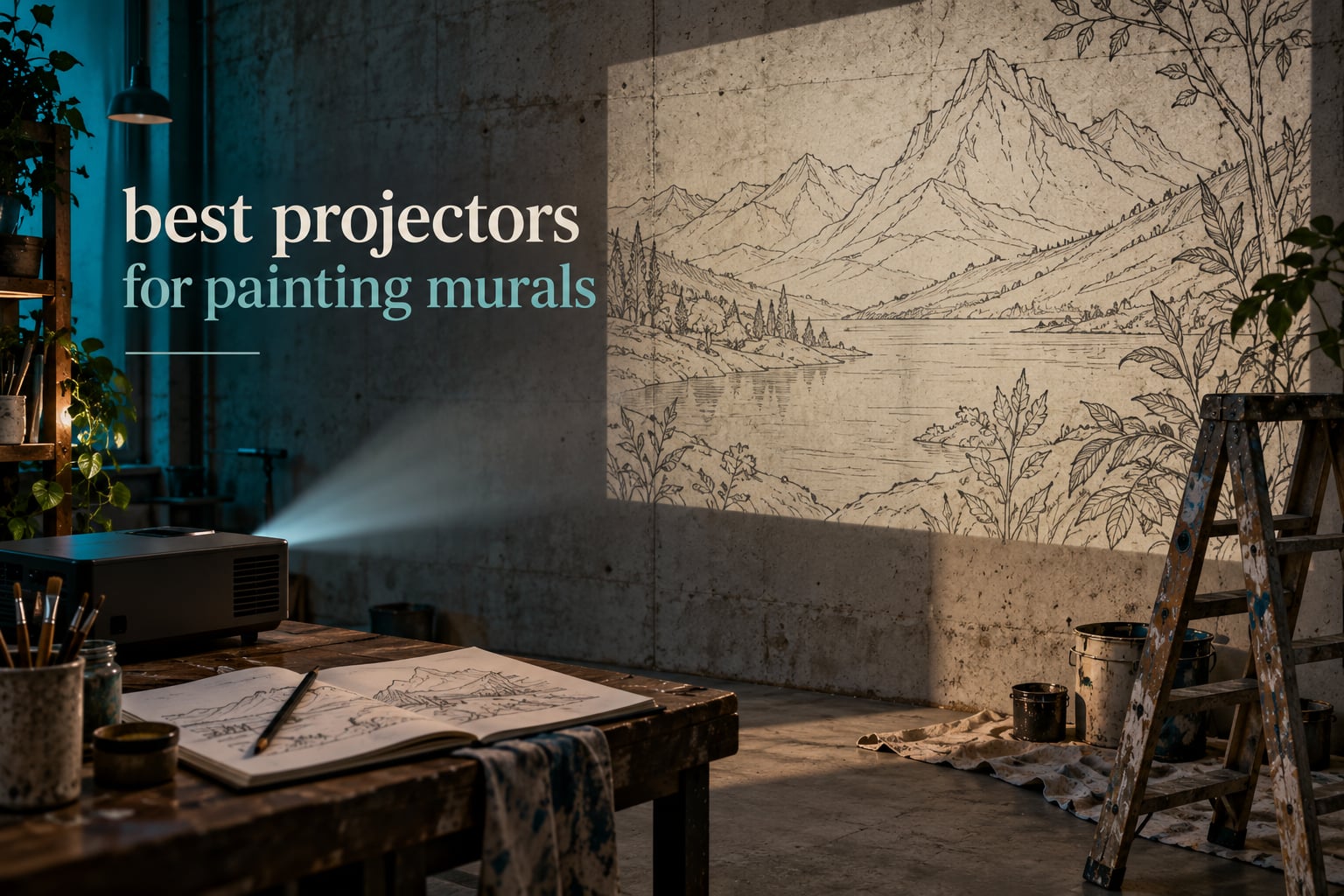
Scaling a 20 by 30 centimetre sketch up to a four-metre wall by eye is where most mural projects go wrong. The outline looks right on paper and arrives on plaster stretched, tilted, and quietly wrong in three places. A projector removes that failure entirely: it throws your reference at full size, square and true, and you trace what is actually on the wall rather than what you hope is in your head.
That is the whole case for the best projectors for painting murals. Everything else is detail, and the detail matters more than most product pages admit. The single most important specification is not resolution or streaming apps. It is the ANSI lumen rating, because the marketing number on the box and the light that actually lands on your wall are frequently two different things.
We spent weeks with these ten projectors, projecting sketches, lettering studies and full compositions onto plaster, plywood and stretched canvas in rooms ranging from a dim studio corner to a wall with daylight coming through. This guide covers what each one is genuinely good for, how many lumens your wall actually needs, how keystone correction behaves on an angled surface, and the honest answer to the question every artist asks first: can I paint in daylight with this, or not?
Table of Contents
Top 3 Mural Projectors (October 2026)
Before the full list, these are the three that earned a permanent place in the studio. The first is the one we reach for most often. The second handles the biggest walls without repositioning. The third is the one that finally beat a bright room.

VISSPL RD618 Smart Projector
- 3500 ANSI lumens
- Native 1080P with 4K decoding
- 360-degree adjustable stand
- 25dB cooling

HAPPRUN JQ820 Projector
- 2000 ANSI lumens
- Auto focus and 6D keystone
- 300-inch maximum image
- WiFi 6 screen mirroring

ViewSonic PA503HD DLP Proje…
- 4000 ANSI lumens
- Native 1080P DLP
- 1.1x optical zoom
- Vertical auto keystone
The VISSPL RD618 wins the top slot on the strength of its 3500 ANSI lumens, its rotating built-in stand, and a review base large enough that the weaknesses are well documented rather than a surprise. The HAPPRUN JQ820 is the value pick, with a port selection that lets you keep a laptop, a phone and a capture device connected at the same time. The ViewSonic PA503HD is the one that holds up in a room you cannot fully darken.
Quick Comparison Table in 2026
All ten projectors below are rated on the same criteria: real ANSI brightness, whether the image stays square on an angled wall, and whether the projected linework survives being traced at mural scale. Current listings shift often, so use the buttons on each card to check what a unit costs right now.
| Product | Specs | Action |
|---|---|---|
| VISSPL RD618 Smart Projector |
|
Check Latest Price |
 AuKing H10 Outdoor Projector AuKing H10 Outdoor Projector |
|
Check Latest Price |
 HAPPRUN k7 Google TV Projector HAPPRUN k7 Google TV Projector |
|
Check Latest Price |
| HAPPRUN JQ820 4K Decoder Projector |
|
Check Latest Price |
 CAIWEI A10 Daytime Projector CAIWEI A10 Daytime Projector |
|
Check Latest Price |
 KOGATA GC357 Smart Projector KOGATA GC357 Smart Projector |
|
Check Latest Price |
 Caydo P3 Art Projector Caydo P3 Art Projector |
|
Check Latest Price |
 Caydo P1 Art Projector Caydo P1 Art Projector |
|
Check Latest Price |
 Artograph LED Tracer Artograph LED Tracer |
|
Check Latest Price |
| ViewSonic PA503HD DLP Projector |
|
Check Latest Price |
1. VISSPL RD618 – 3500 ANSI Lumens With a Rotating Stand
【Google TV & 3500ANSI & 4K】Smart Projector with WiFi and Bluetooth, VISSPL AI Auto Focus & Auto Keystone Portable Outdoor Overhead Projector, Movie Home Theater Gaming Projectors for Bedroom Ceiling
3500 ANSI lumens
Native 1080P with 4K decoding
360-degree adjustable stand
25dB cooling
Pros
- 3500 ANSI lumens holds colour on a mid-size wall
- 360-degree stand replaces a tripod entirely
- AI focus and 6D keystone square up in seconds
- 25dB cooling stays quiet for close work
- LED light source rated to 100000 hours
Cons
- Native 1080P with 4K decoding rather than true 4K
- 10 foot maximum throw needs repositioning on long walls
- Digital zoom covers only 50 to 100 percent
This is the projector we ended up leaving on the shelf above the workbench. The 3500 ANSI lumens rating is a real ANSI figure rather than a marketing one, and that single fact puts it ahead of most of the field for mural work. On a three by two metre section of wall with the curtains drawn, the projected linework from a phone photo was clean enough to trace with a 2B pencil without squinting.
The 360-degree adjustable stand is the feature we did not expect to care about and now rely on daily. You tilt the body, not a separate mount, which means moving the projector from a back wall to a side wall to the ceiling takes seconds rather than a screwdriver. For anyone painting a room where the mural wraps around two surfaces, that flexibility removes a real annoyance.
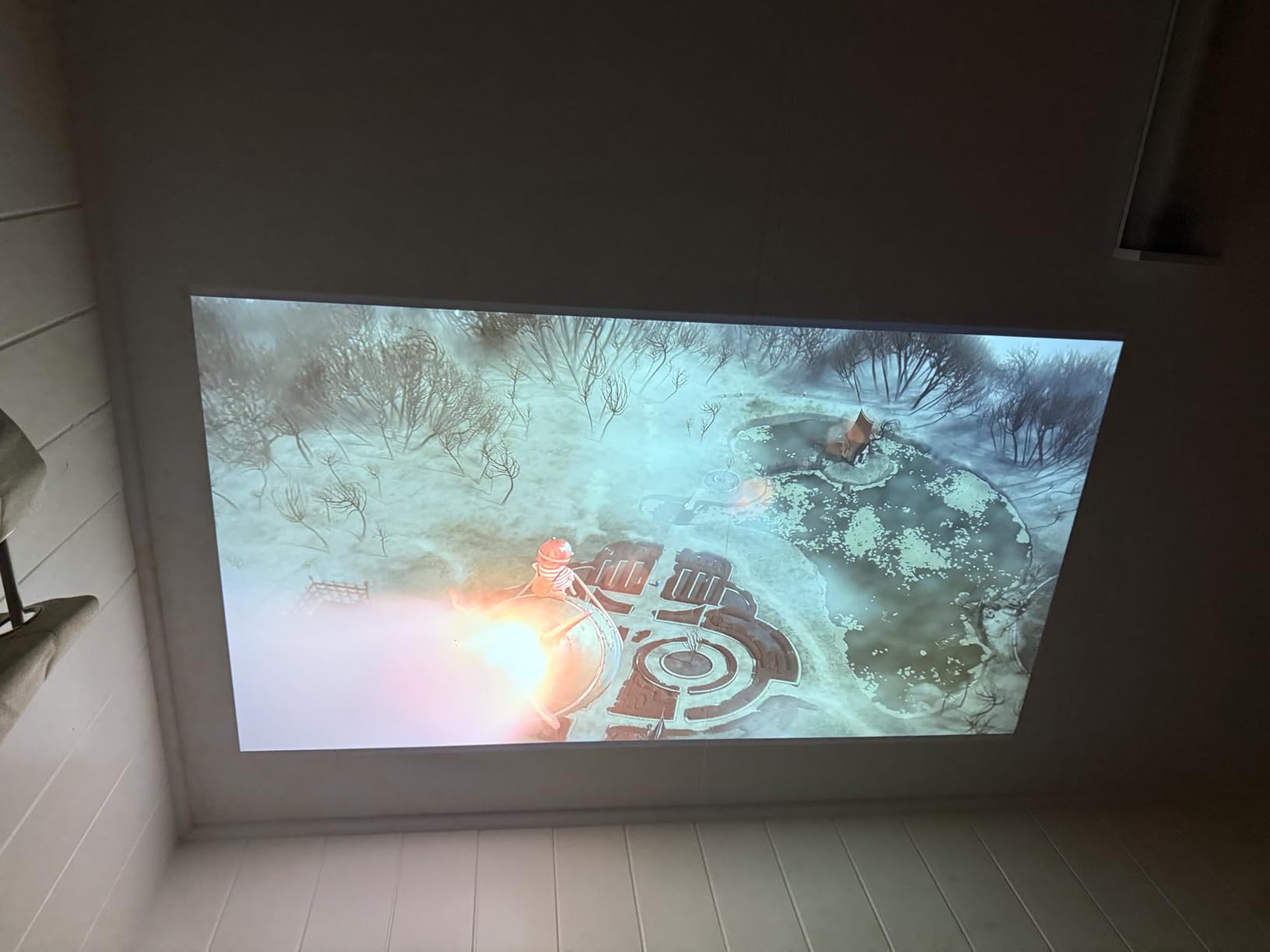
Set-up speed genuinely matters when you are iterating. AI auto focus, 6D auto keystone and digital zoom produce a clean rectangle in roughly three seconds from a cold start. On a wall that is not quite perpendicular to the lens, the 6D correction catches both axes and you keep the full composition instead of losing an edge.
Colour reproduction is another quiet strength. The HDR10+ processing and wide colour gamut claim hold up well enough that when we laid a colour chart next to our paint swatches, the projected greens and magentas were close enough to mix by eye. Nobody is grading this output, but for matching a reference it does the job.
Two limits are worth knowing before you commit. The throw distance tops out at ten feet, so a genuinely long wall means stepping the projector back and forth between sections. And the native panel is 1080P with 4K decoding, which is plenty for a traced outline at mural scale but will not resolve very fine type.
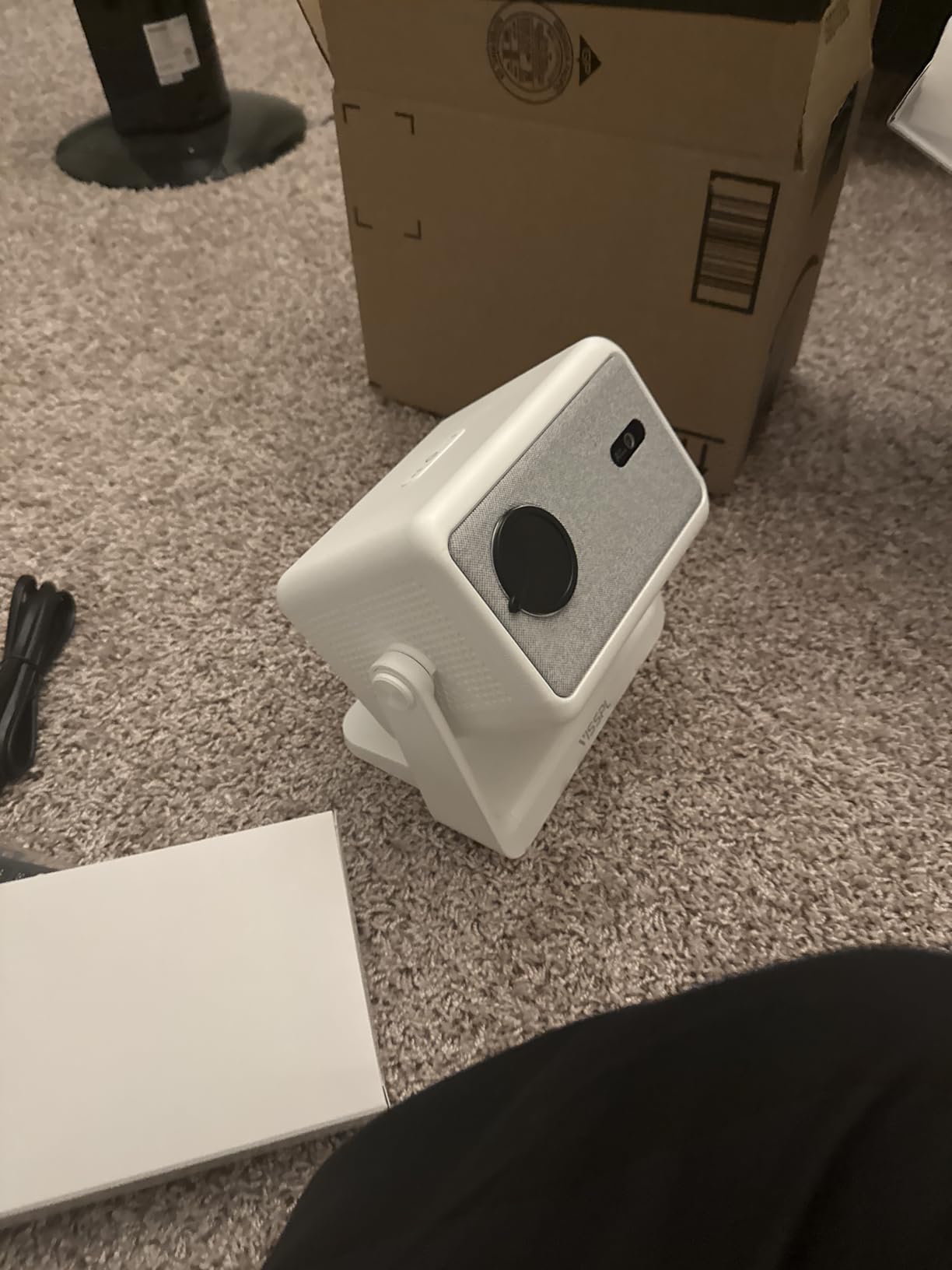
Where the VISSPL RD618 earns its place
It suits the working artist who moves between studio wall, canvas and the occasional interior commission. The rotating stand means one device covers all three, and 3500 ANSI lumens gives you room to paint with a single lamp on rather than in total darkness.
WiFi 6, Bluetooth 5.2, HDMI ARC and USB cover the usual sources, and Google TV is built in with a large app catalogue, so you can cast a reference from a phone without hunting for a dongle. For anyone who wants one projector to do murals during the day and films at night, that dual role is the reason to pick it.
Where it will disappoint you
If your mural spans more than about four metres, the ten foot throw limit becomes a real constraint and you will be moving the unit repeatedly. A unit with a longer throw range handles that in one placement.
Tracing dense, hairline illustration at 1:1 will show the 1080P native limit. If your reference is a detailed line drawing rather than a painted composition, a higher native resolution or a dedicated art projector will hold the thin strokes better. The stated 25dB cooling suits close studio work.
2. AuKing H10 – 5000 ANSI Lumens for Outdoor Murals
AuKing 5000 ANSI & 70W Dolby 4K Outdoor Projector with Auto Focus
5000 ANSI lumens
16.9 foot maximum throw
TOF laser autofocus
Foldable 360-degree stand
Pros
- 5000 ANSI lumens for exterior and shaded walls
- 16.9 foot throw covers long walls from one spot
- Laser autofocus locks in 0.2 seconds
- Dolby Audio sounds far better than typical built-in speakers
- Foldable stand gives 360-degree rotation
Cons
- Linux operating system means a smaller app catalogue
- Native 1080P with 4K signal downscaling
- Cooling still runs under sustained load
Outdoor work is where brightness stops being a preference and becomes a requirement. The AuKing H10 is rated at 5000 ANSI lumens max white brightness, and on a shaded exterior wall in late afternoon it was the one we would happily trace with ambient light still present.
Throw distance is the other outdoor advantage. A 16.9 foot maximum reach means you can set the projector on a pavement, a ladder or a flat roof and cover a large wall without dragging equipment around. Combined with the foldable removable stand offering 360-degree horizontal rotation and 180-degree vertical tilt, it adapts to awkward outdoor positions where a fixed body would be a problem.
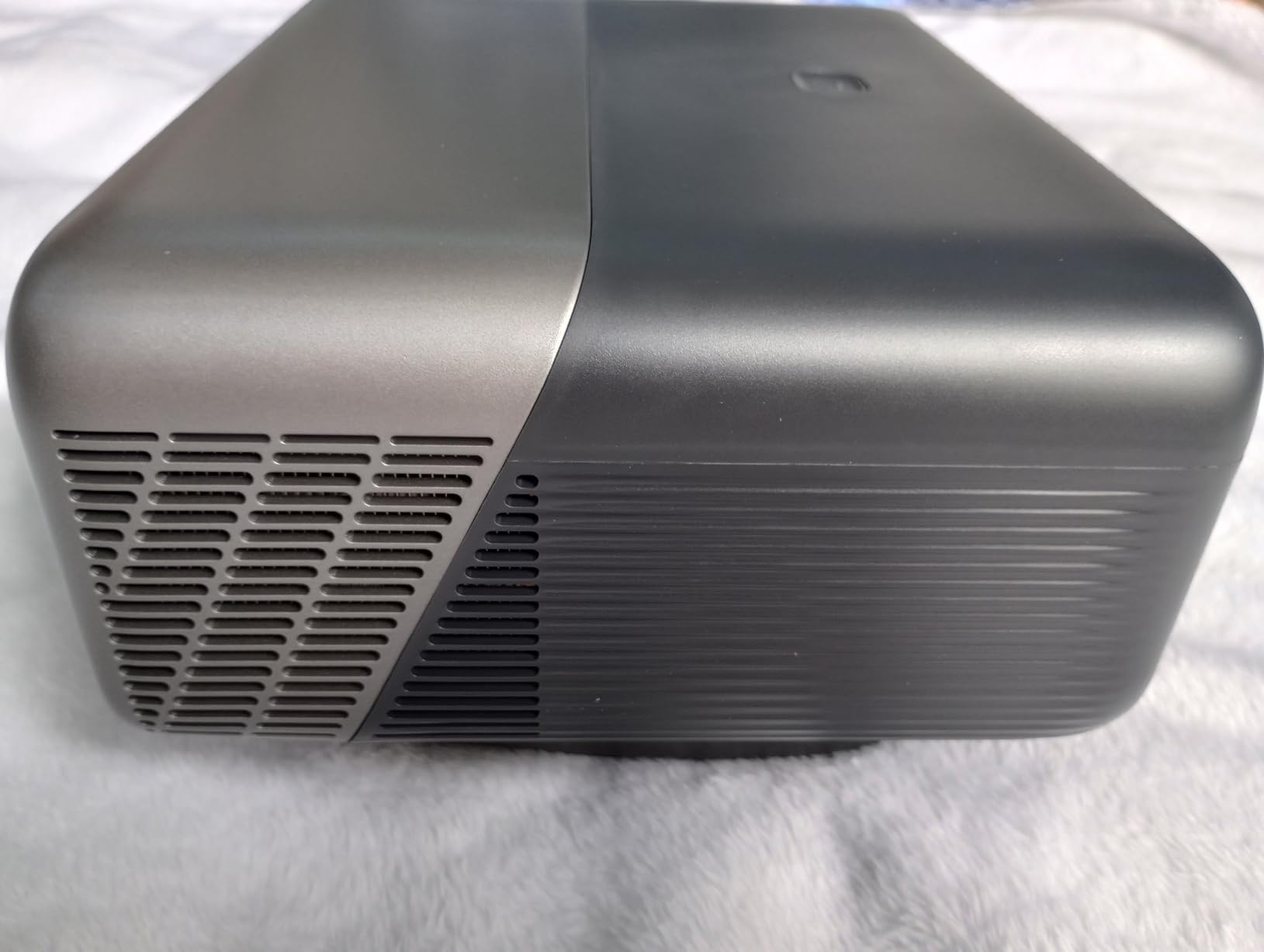
Set-up speed came from the TOF laser autofocus, which locks focus in 0.2 seconds, followed by automatic keystone correction. That matters when you are working on a scaffold or in changing light and want a usable rectangle immediately rather than fiddling with menus.
The sound deserves a mention for an odd reason. Dolby Audio with a tuned acoustic chamber sounds genuinely richer than a typical built-in projector speaker, and on a site job where you are playing a reference clip to a client it is a small thing that lands well.
Be honest about the trade-offs. The operating system is Linux rather than Google TV, so the app catalogue is narrower and some streaming apps are simply absent. Native resolution is 1080P with 4K downscaling. And the review base, while almost uniformly positive, is small enough that you are relying on a narrower pool of experience than the ratings alone suggest.
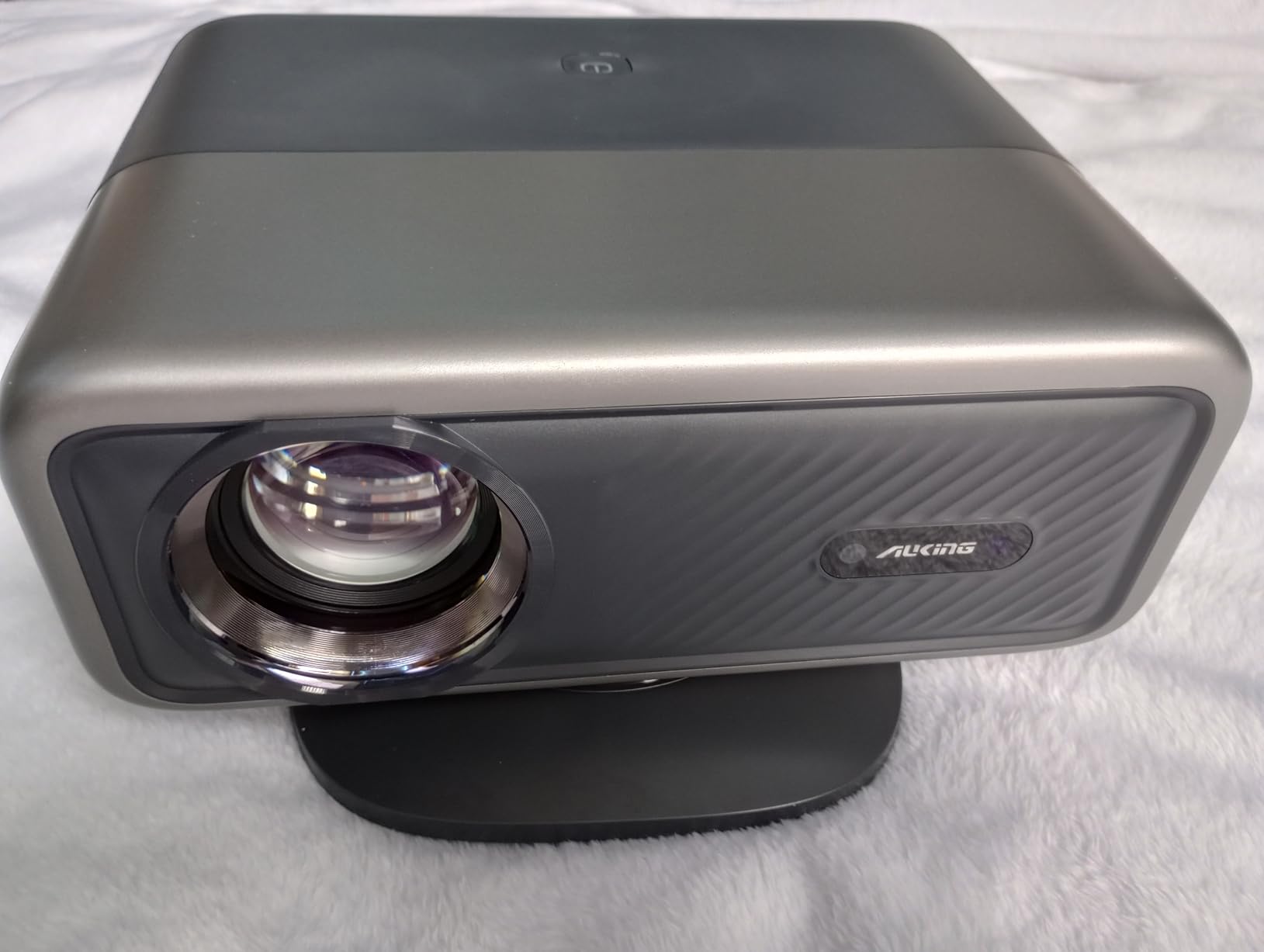
Where the AuKing H10 earns its place
It is built for the artist who paints outside: street art, alley commissions, exterior restaurant walls, anything where you cannot control the light. 5000 ANSI lumens is the practical difference between tracing at four in the afternoon and waiting until dusk.
It also suits large indoor work where a long throw is useful, such as a double-height gallery wall or a studio end wall several metres across. The 350 inch maximum image size gives plenty of headroom, and the two-year protection plan is a reasonable backstop for a tool that travels.
Where it will disappoint you
It is not the choice for a dedicated streaming corner. Buyers who want the full Google TV app library will find the Linux platform more limited, and the form factor is desktop rather than a small travel unit.
At 1080P native, very fine lettering detail will soften when enlarged across a wide wall, so lettering artists working on long words should test a section first. Reviewers also note that cooling still runs under load, so in a sealed interior on a hot day the fan becomes noticeable.
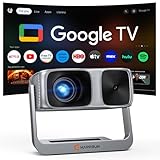
3. HAPPRUN k7 – 2500 ANSI Lumens With a 28-Foot Throw
HAPPRUN 2500 ANSI Outdoor Projector with Official Google TV, 4K Decoding
2500 ANSI lumens
4.72 to 28.4 foot throw
20000:1 contrast
Official Google TV
Pros
- Wide 4.72 to 28.4 foot throw range
- 2500 ANSI lumens with 20000:1 contrast
- Auto focus and 6D keystone with obstacle avoidance
- Official licensed Google TV with 1000+ apps
- Dual 10W speakers with Dolby Audio
Cons
- Ceiling projection needs manual focus and keystone
- Native 1080P with 4K decoding
- Some streaming apps may need an external device
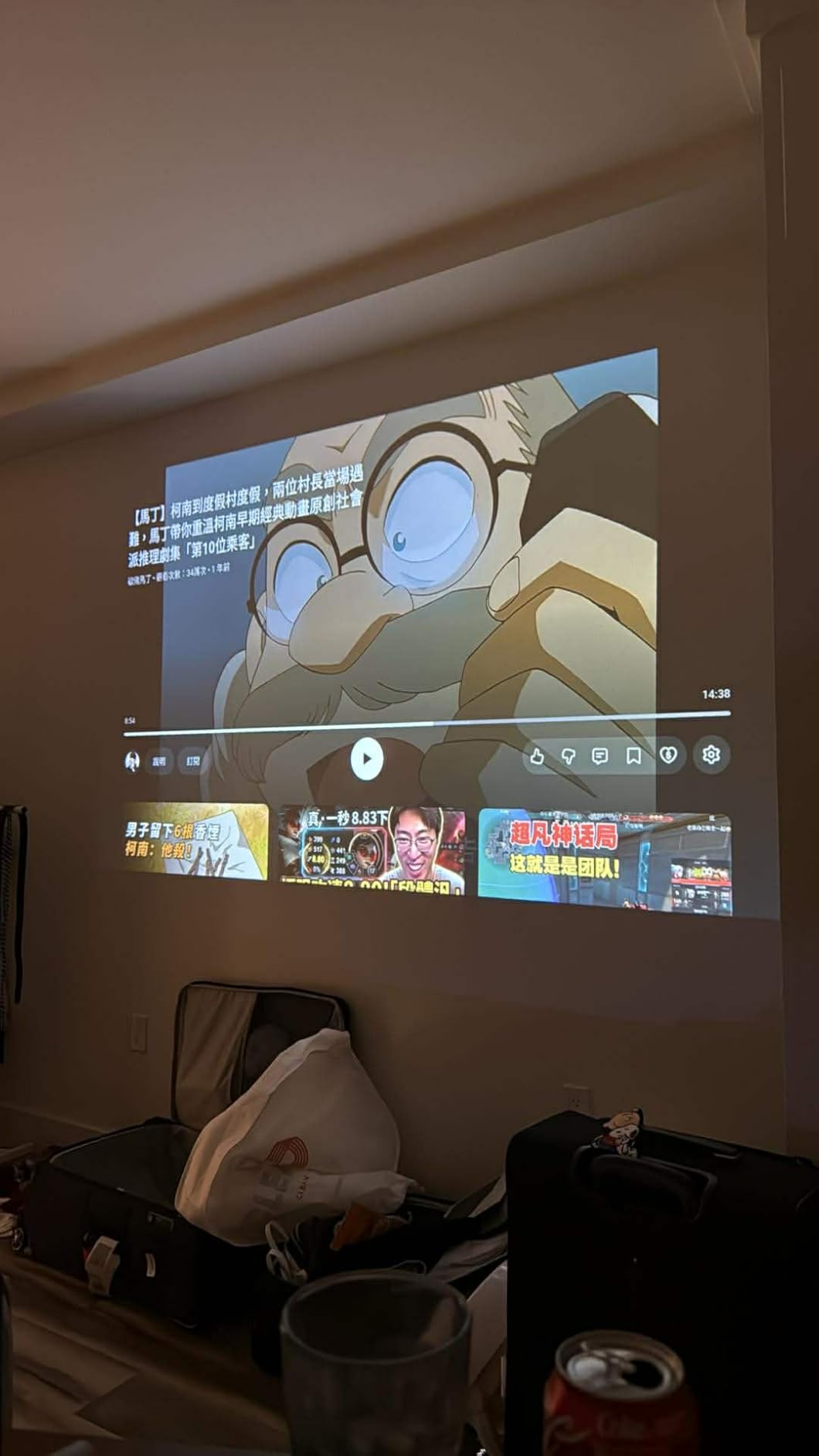
The HAPPRUN k7 solves a specific problem well: a room where you cannot put the projector at a comfortable distance from the wall. A 4.72 foot minimum and 28.4 foot maximum throw means the same body covers a small practice canvas and a large studio end wall, which removes the usual compromise of buying one throw ratio and living with it.
At 2500 ANSI lumens with a 20000:1 contrast ratio and HDR10+, the projected image held blacks well enough that faint pencil detail in a scanned sketch stayed visible. On a mid-tone wall colour, which is where murals often start, that contrast headroom is more useful than raw brightness alone.
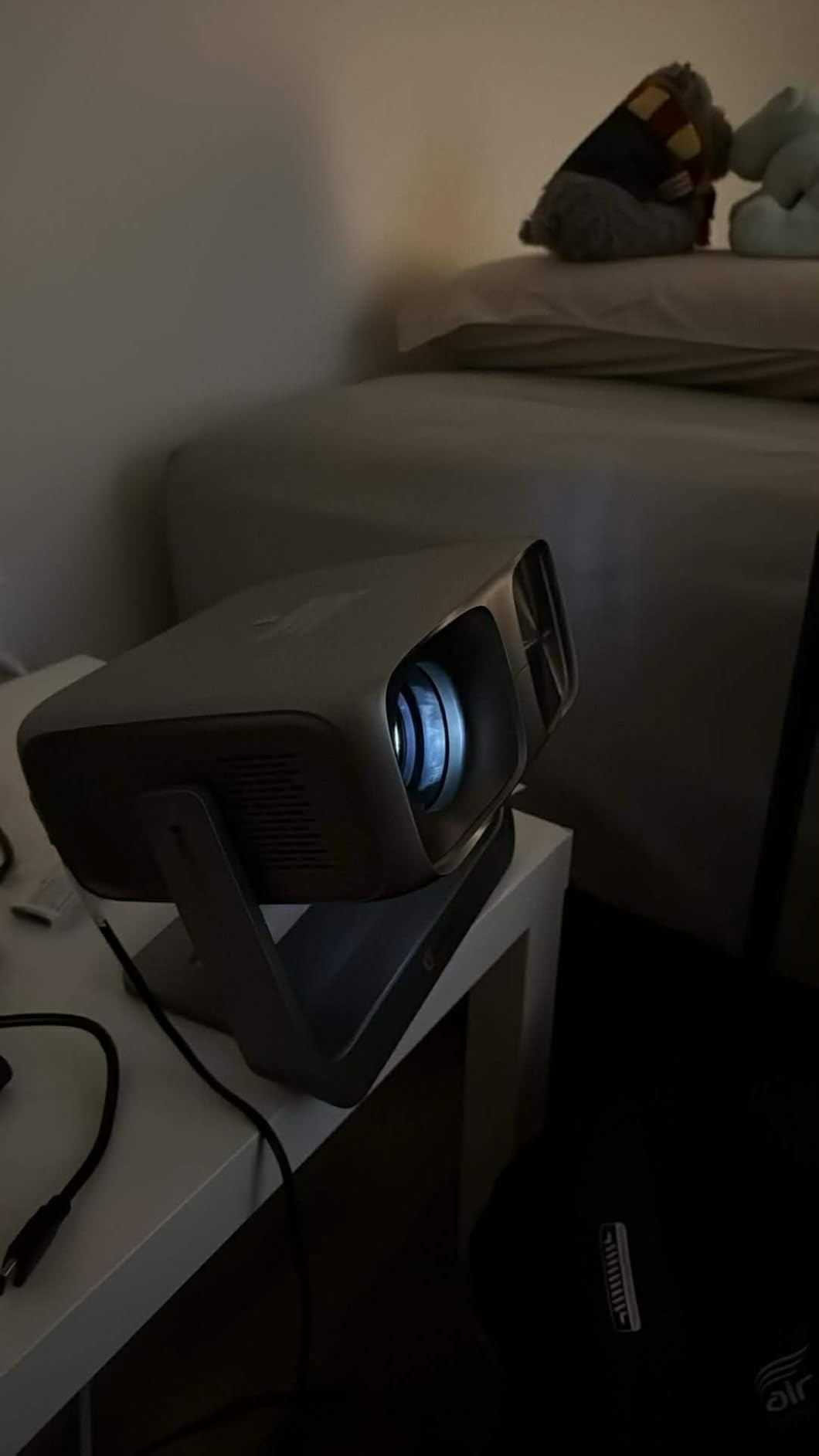
Set-up is fully automatic. Auto focus, 6D auto keystone, auto obstacle avoidance and auto screen alignment square the picture within about three seconds of startup. Obstacle avoidance is a mural-specific nicety: it stops the projector trying to warp around a ladder, easel or paint bucket in the throw path.
It runs official licensed Google TV with over 1,000 apps, so Netflix and Prime Video come without sideloading. Dual 10W speakers with Dolby Audio cover the times you want to show a client a reference clip, and Bluetooth 5.2 lets you take the audio to external speakers instead.
One manufacturer note is worth repeating verbatim because it will save you a wasted evening: ceiling projection requires manual focus and manual keystone adjustment. On a wall or tabletop, everything is automatic. On a ceiling, you are back to doing it by hand.
Where the HAPPRUN k7 earns its place
It suits studio artists who work across a range of surfaces in one room, from a small canvas to a long wall. The adjustable stand handles wall, ceiling and tabletop placement, and the wide throw range means you stop re-rigging for every new piece.
At 2.05 kg it is light enough to move between projects without effort, and the automatic alignment features make it forgiving when you are setting up in a space that is not a dedicated dark room. It is a strong all-rounder for mixed indoor work.
Where it will disappoint you
2500 ANSI lumens is mid-range, so in a genuinely bright room the image washes toward grey. If your studio cannot be darkened at all, step up in brightness rather than fighting it.
The native panel is 1080P with 4K decoding. Fine hairline work will soften, and some streaming apps including Disney+, Prime Video and Hulu may require an external device depending on app rights, which is an annoying extra box to keep around.
4. HAPPRUN JQ820 – 2000 ANSI Lumens and Two HDMI Ports
HAPPRUN 2000 ANSI 4K Decoding Projector with WiFi and Bluetooth, Auto Focus
2000 ANSI lumens
Auto focus and 6D keystone
300 inch maximum image
LED source rated 100000 hours
Pros
- Wide port selection with HDMI x2 and USB x2
- 2000 ANSI lumens with 4K decoding and 20000:1 contrast
- Auto focus and 6D keystone finish in about 5 seconds
- WiFi 6 screen mirroring from iOS and Android
- 300 inch maximum image with 50 percent zoom
Cons
- Auto focus fails beyond a 15 degree angle
- Some streaming apps need an external Chromecast or dongle
- Brightness performs best in a darkened environment
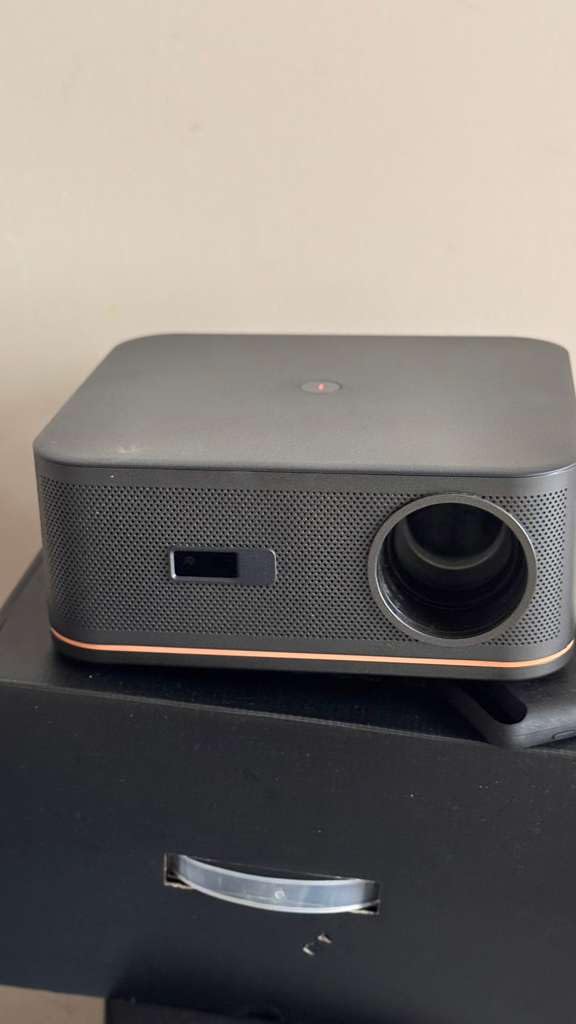
The JQ820 is the one we recommend when a single projector has to serve a mural wall, a camera feed and a laptop. Two HDMI ports and two USB ports mean you can leave a laptop tethered for the reference image, a capture device recording your progress video, and still have a free port for whatever comes next. That flexibility is worth more than a spec-sheet point.
Brightness is 2000 ANSI lumens with 4K decoding, 20000:1 contrast and a 95 percent colour gamut. On a mid-sized interior wall with the room dimmed, the outline was perfectly traceable. It is not a daylight projector, but for a controlled indoor space it is more than sufficient.
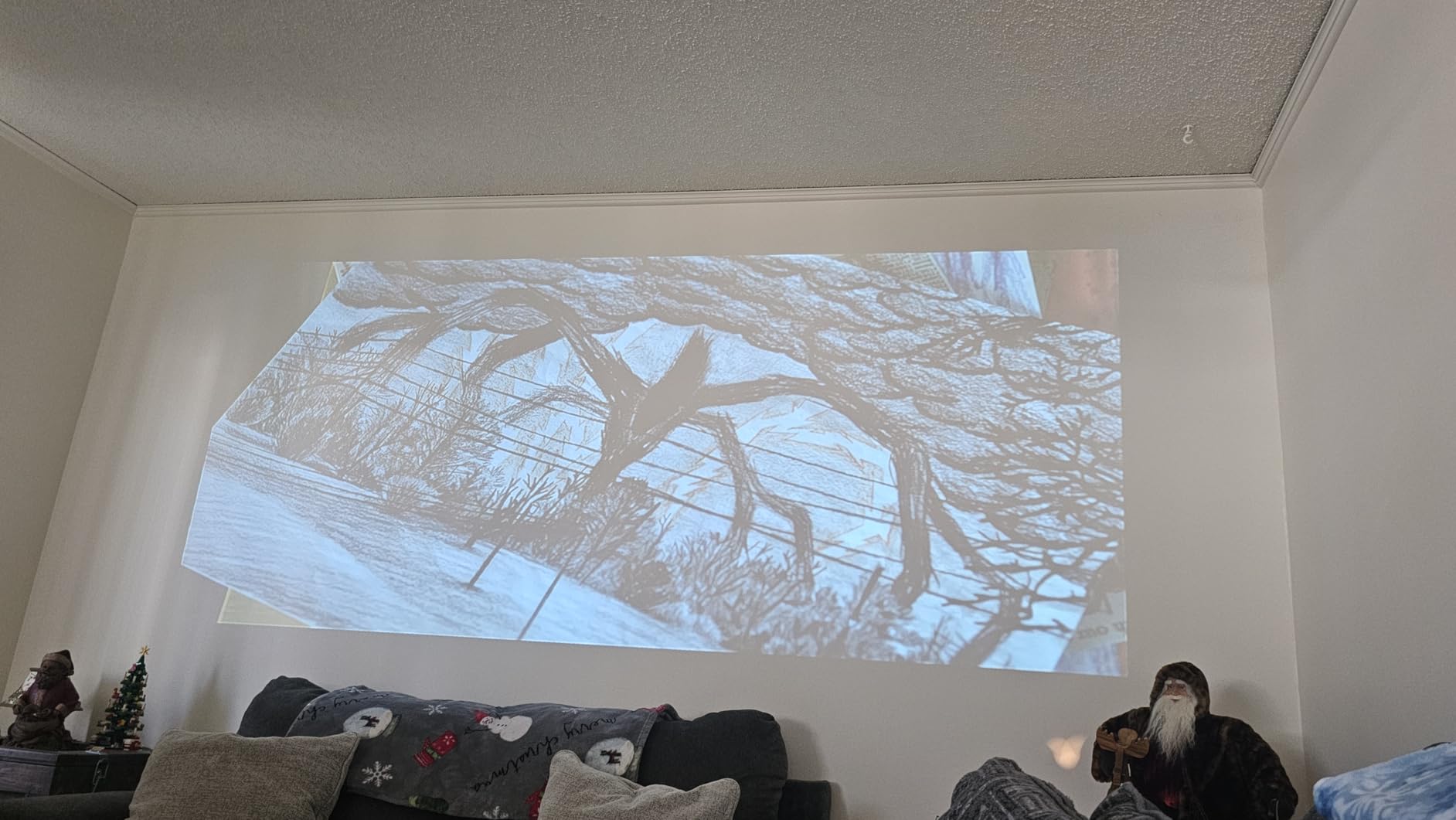
Auto focus, 6D auto keystone, auto obstacle avoidance and auto screen alignment deliver a rectangular picture in roughly five seconds. The LED light source is rated for 100,000 hours, which means you are not budgeting for bulb replacements across a career, and a two-year warranty is included.
WiFi 6 up to 9.6 Gbps gives smooth screen mirroring from iOS and Android, so a client can send a reference image to the projector without anyone hunting for a cable. The 8W HiFi speaker plus bidirectional Bluetooth 5.2 also let it double as a Bluetooth speaker in the studio, which is a small but genuine quality-of-life detail.
Now the limitation that matters most for murals. Auto focus fails if the projector sits at an angle greater than 15 degrees, and angled placement is exactly what happens when your mural wall is not square to the room or you are using the adjustable stand to reach a high section. There is a real gap between what the auto features promise and what an off-square wall demands.
Where the HAPPRUN JQ820 earns its place
It suits the artist who works indoors, in a space they can darken, and who wants a reliable projector that will not need replacing. The 100,000 hour LED rating and the two-year warranty take the maintenance question off the table for most working lifetimes.
It is also the sensible choice for a teaching studio or workshop where several people plug in and out. The port count and the 300 inch maximum image with 50 percent zoom mean one projector can serve a demonstration to a room, then get packed away.
Where it will disappoint you
The 15 degree autofocus limit is the honest drawback, and it is more restrictive than it sounds. If your wall is angled or you need to place the projector high and to one side, expect to correct focus and keystone manually or reposition.
2000 ANSI lumens also means it wants a dark room. The manufacturer states that Disney+, Prime Video and Hulu require a Chromecast, dongle or TV stick, and ambient light reduces image punch. For daylight or lit-room work, choose a brighter model.
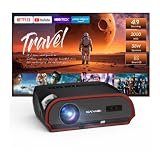
5. CAIWEI A10 – 2000 ANSI Lumens That Survive Daylight
Daytime Smart 4K Projector, 2000 ANSI Lumens Ultra Bright Outdoor Projector for Camping Party Night, 38W Speakers, NFC Casting, HDMI 2.1, Quick Focus, Smart OS 6D/6P Keystone, WiFi 6 and Bluetooth 5.2
2000 ANSI lumens with TS-LED
450 inch maximum image
Dustproof sealed optical engine
38W stereo speakers
Pros
- Readable with daylight and overhead lights on
- Sealed optical engine resists dust and dark spots
- Dual 38W stereo speakers
- 450 inch maximum image
- Ceiling wall tabletop and tripod mounting
Cons
- Native 1080P with 4K decoding
- Designed for conferencing so no art or tracing software
- 50 inch minimum image size
Most projectors in this class are honest only after dark. The CAIWEI A10 is the exception worth testing, because the TS-LED brightness and six-colour LED light source produced a traceable image in a room with daylight coming through a window and the overhead lights still on. For daytime work that is the difference between a usable tool and an evening-only tool.
Line quality is where it earns its keep. HDR10+ with a 16000:1 dynamic contrast ratio gave deep blacks and, more importantly, precise edges. When we traced a line drawing onto a warm off-white wall, the strokes stayed thin and defined rather than blooming into grey.
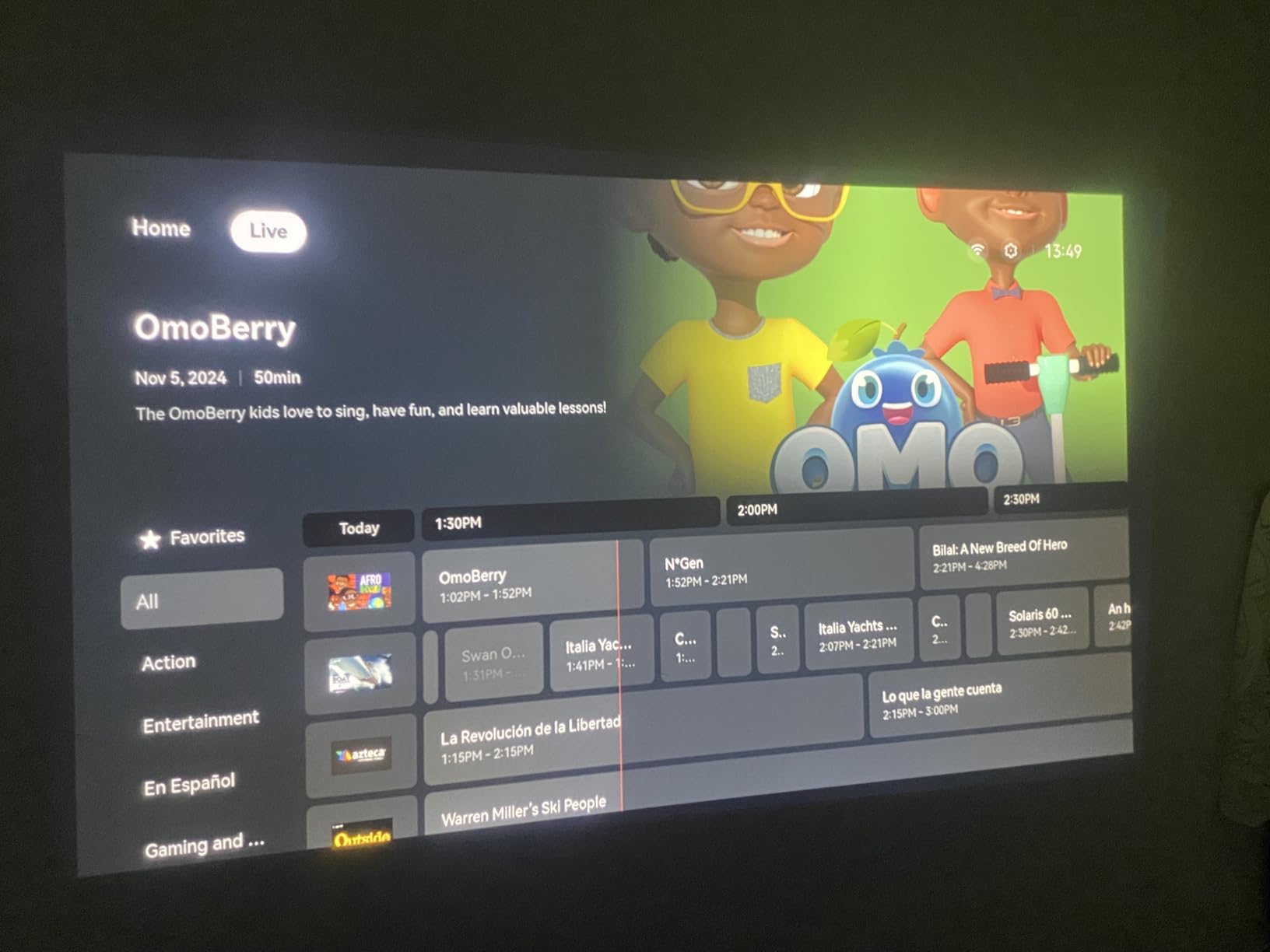
A 450 inch maximum image keeps a large composition possible, and mounting options cover ceiling, wall, tabletop, floor and tripod. With 6D/6P keystone and 100 to 60 percent zoom, you can frame a wide composition without physically moving the projector across the room.
The dustproof sealed optical engine is a quietly important feature for artists. A studio accumulates pigment dust, plaster dust and paint overspray, and unsealed projectors develop dark spots on the panel over years of use. A sealed engine is the single most relevant longevity feature for this audience.
Sound is almost excessive: dual 38W stereo speakers with two-way Bluetooth 5.2. Useful if you are teaching or presenting, and it takes pressure off a phone during a long reference review. HDMI 2.1 at native 60Hz plus a built-in RJ45 Ethernet port keeps a wired option available when WiFi is unreliable.
The honest weaknesses are about fit rather than quality. It is built as a conferencing projector, so there is no art or tracing software, no grids and no drawing modes. The minimum image size of 50 inches also rules out a small sketch area, so this is a wall tool, not a tabletop one.
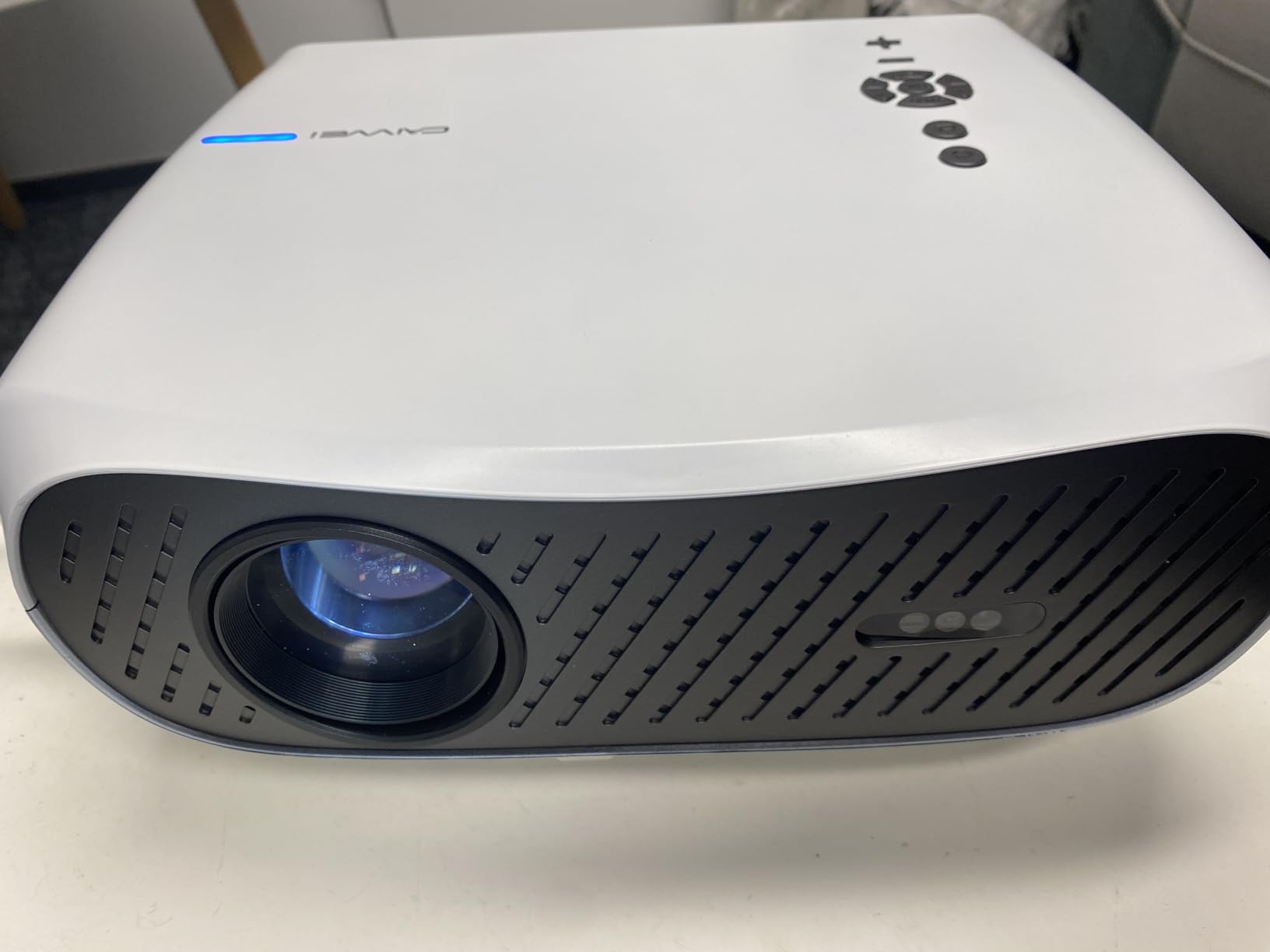
Where the CAIWEI A10 earns its place
It suits artists who refuse to paint only at night. Daytime availability is worth more than raw lumen count when you have a wall to finish, a day to do it in, and a studio you do not want to black out completely.
The sealed optics and ultra-quiet cooling make it a good long-term studio machine. The mounting flexibility and 450 inch ceiling mean it can stay installed on a ceiling mount and be aimed at whatever wall you are working on that month.
Where it will disappoint you
If you want grid overlays, sketch filters or a dedicated drawing app, this is the wrong tool. Those artist-specific modes are the reason some people buy an art projector rather than a brighter general-purpose one.
Native resolution is 1080P with 4K decoding, so hairline detail is limited, and the 50 inch minimum image size means it cannot project a small practice sketch. It carries a one-year warranty, which is shorter than several others in this list.
6. KOGATA GC357 – 550 ANSI Lumens for a Dim Corner Studio
4K-Projector with WiFi and Bluetooth, AI Auto Focus&6D Keystone Dolby Audio HDR10+, KOGATA Smart Projector with Built-in Apps, Outdoor Movie Portable for Home Theater, Bedroom, Ceiling
550 ANSI lumens
1.3 kg body weight
Native 1080P with 4K decoding
German high-transmittance lens
Pros
- Compact 1.3 kg body that moves easily between locations
- German high-transmittance lens with HDR10+ for natural tone
- Netflix YouTube and Prime Video pre-installed
- Dolby and DTS certified audio
- 100 to 50 percent zoom for framing
Cons
- 550 ANSI lumens suits dim rooms only
- Table mount rated so wall or ceiling needs hardware
- Manufacturer prompts a system update on arrival
Let us be clear about this one. At 550 ANSI lumens it sits in the dim end of this lineup, and it will not compete with daylight or a bright overhead light. What it will do is produce a clean, sharp, traceable image in a dim room, a curtained studio or an evening session, and it will do it from a 1.3 kg body you can carry with one hand.
Portability is the actual product. At 1.3 kg and 9.37 by 6.97 by 3.46 inches, it moves between a studio, a classroom and a client site without a padded case full of accessories. For a travelling artist or a part-time painter working in a rented room, that changes what is possible more than a brightness figure does.
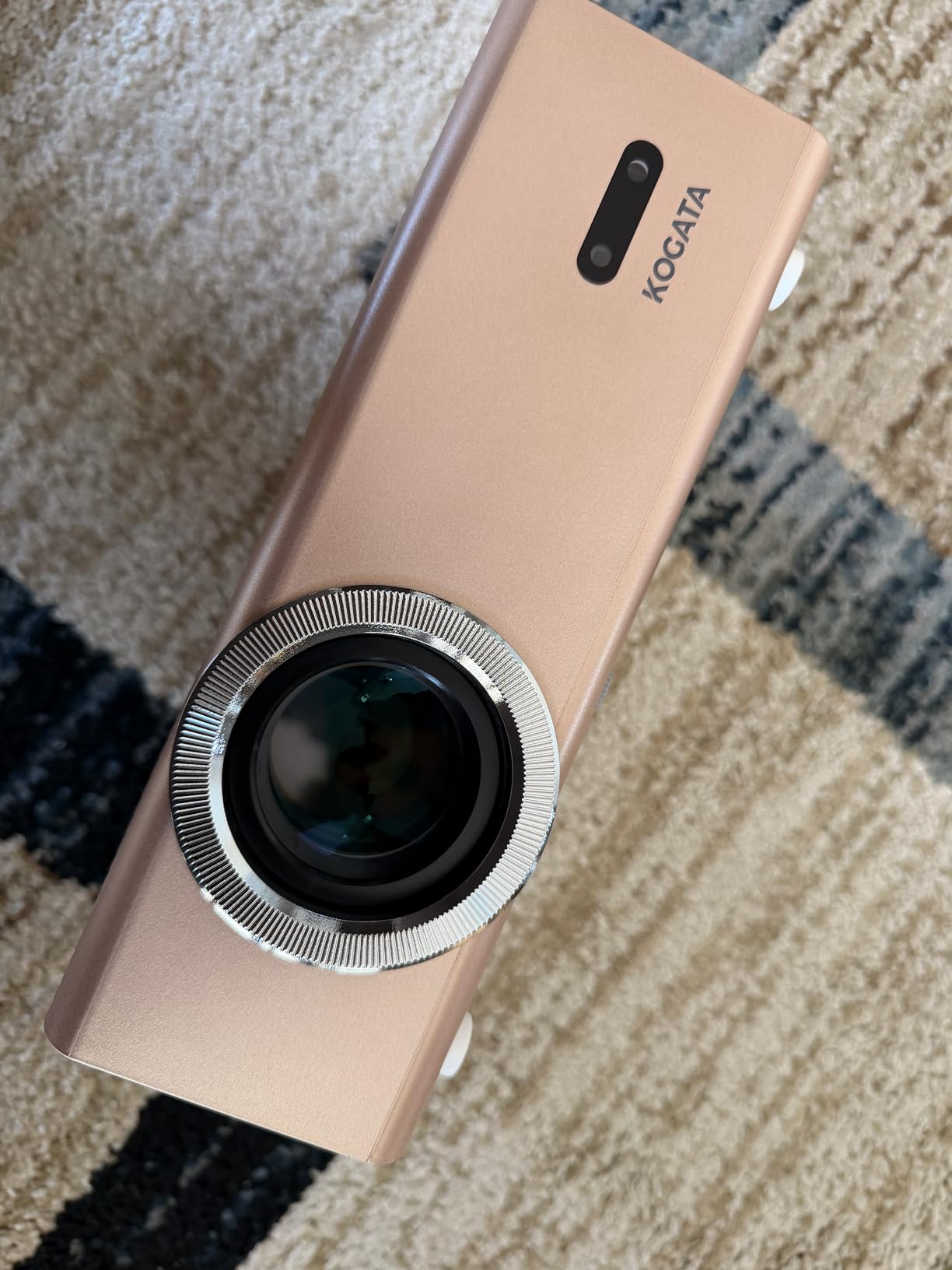
Image quality is better than the brightness suggests. The MTK9660 chipset with 2GB RAM and 8GB storage delivers native 1080P with full 4K decoding, and the German high-transmittance lens with HDR10+ produced natural light-to-dark transitions rather than the grey wash low brightness usually causes.
Setup is handled by auto focus, 6D keystone, auto obstacle avoidance and screen edge detection. The 100 to 50 percent zoom lets you reframe the image without moving the body, which is helpful on a small canvas where you are working from a corner of the room.
Two practical notes. It is rated as a table-mount body, so wall or ceiling installation requires separate hardware, and the manufacturer prompts a system update on arrival that temporarily interrupts use. The app situation is good though: Netflix, YouTube and Prime Video are pre-installed with 200 more downloadable apps, so no TV stick is needed.
Where the KOGATA GC357 earns its place
It suits a small studio, a spare room, a teaching setup or an artist who travels between locations. Carrying a 1.3 kg projector is straightforward, and the pre-installed streaming apps remove a whole category of setup friction.
It also suits anyone working on a manageable wall size rather than a full commercial mural. At 550 ANSI lumens, a four to eight square metre section is a sensible target, and the image stays sharp and colour-true in a controlled room.
Where it will disappoint you
Daylight. This is the projector to rule out if your wall is outdoors, if your studio cannot be dimmed, or if you plan to work during the day. Reviewers consistently treat the brightness as the limiting factor rather than a quibble.
It is table-mount rated, so a permanent ceiling or wall installation needs extra hardware, and the arrival system update is a small but real annoyance on the first evening. For a large wall in a bright room, choose something with more ANSI lumens.
7. Caydo P3 – A Drawing Projector Built for Artists
Caydo P3 Art Projector, Native 1080P Drawing Projector for Artists
Built-in drawing app
400 ANSI lumens
0-200 percent zoom
120 inch maximum image
Pros
- Built-in drawing app designed for tracing and enlarging references
- Gridify Sketchify Comicize and Monochromize modes
- 0-200 percent zoom plus 360-degree rotation and 3x3 grids
- Built-in 360-degree swivel base
- Auto focus clears in under 3 seconds
Cons
- 120 inch maximum image is small for a full wall
- 1.1 to 2.7 meter throw range constrains placement
- 400 ANSI lumens washes out in a bright studio
- Netflix and Hulu cannot be mirrored
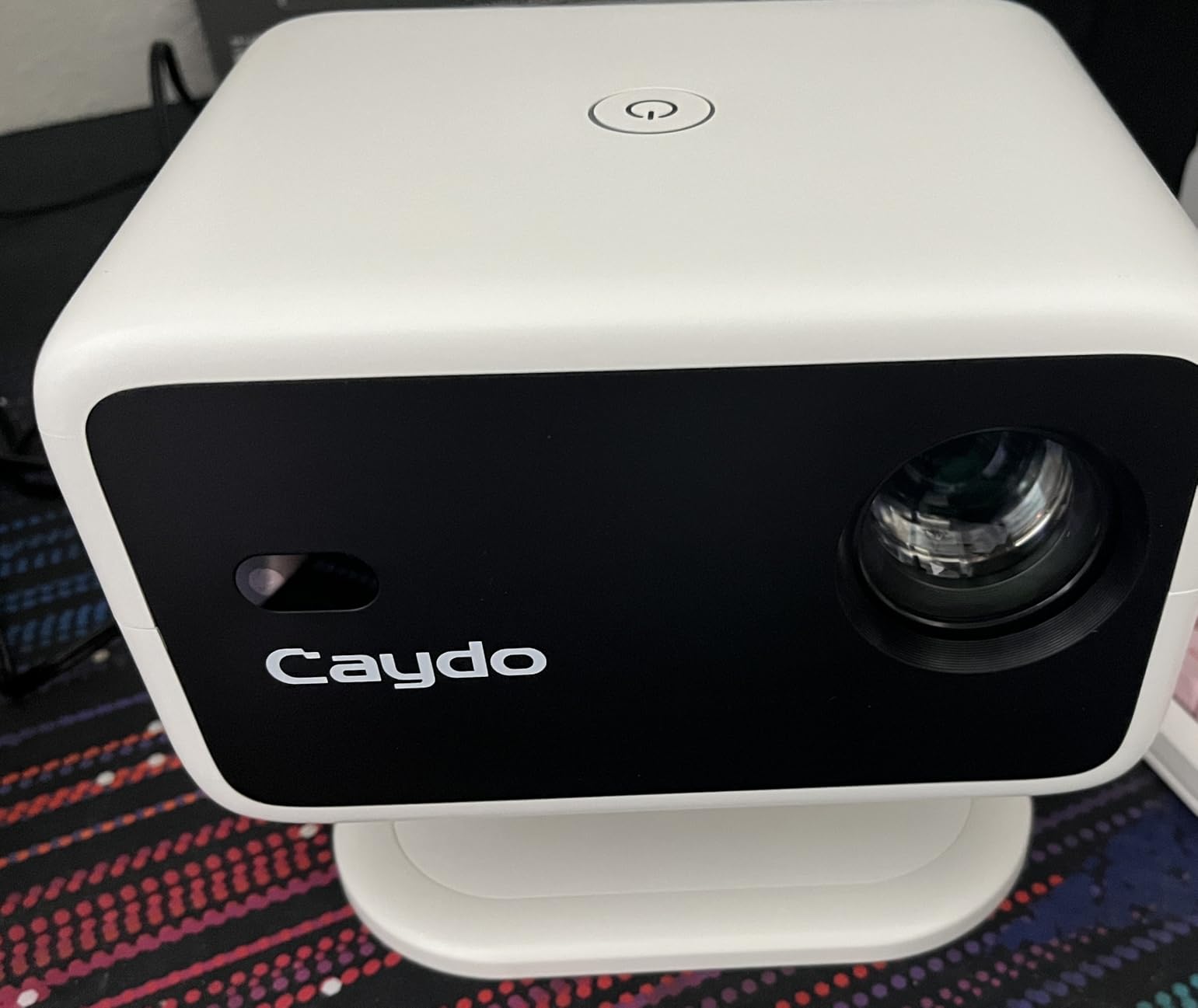
Every other projector on this list is a general-purpose machine you adapt to art. The Caydo P3 is built around the tracing task. The drawing app opens to a canvas rather than a home screen, with 0 to 200 percent zoom, 360-degree rotation and 3×3 grids one tap away, which removes the fiddly part of the workflow entirely.
The art modes are the reason to own it specifically. Gridify overlays a proportional grid onto the image, Sketchify strips it back to a line study, Comicize and Monochromize push it further. For a muralist laying out a complex composition, a grid overlay is not a convenience, it is the difference between a confident outline and an afternoon of measuring.
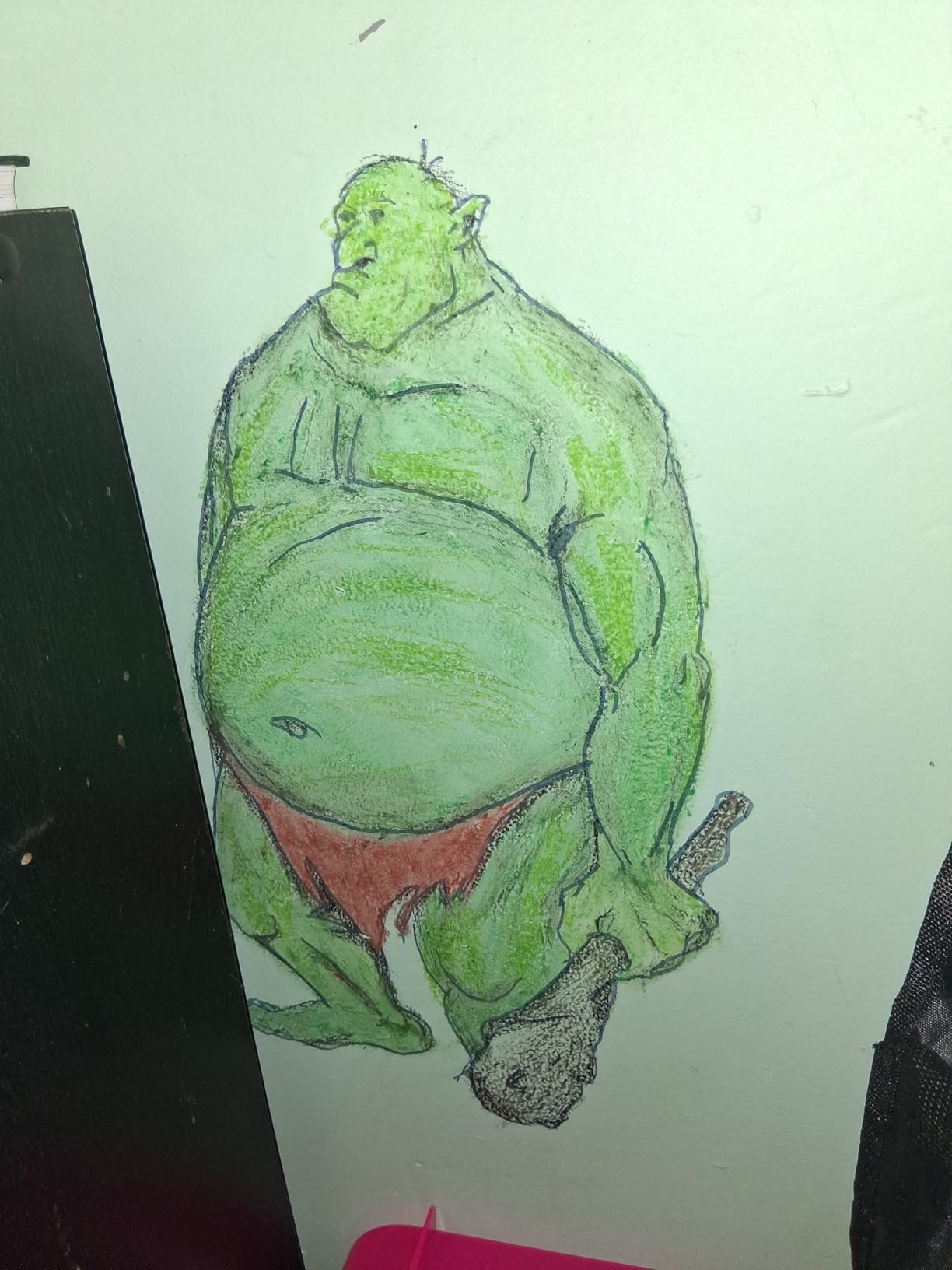
At 400 ANSI lumens the image is dim by the standards of this list, but reviewers consistently report it staying crisp and colour-accurate during the day rather than only in a dark room. The high contrast and advanced colour accuracy do more work here than the lumen figure alone would suggest, and for tracing you need edge definition more than raw brightness.
Physical design helps. The built-in 360-degree swivel base projects onto walls, tilted easels, chalkboards or ceilings, and auto focus clears up in under three seconds with keystone correction for a proportioned image. The included 8GB USB drive means you can transfer images without a connection, which is genuinely useful on a site with poor signal.
The ceiling is the constraint. A 120 inch maximum image and a 1.1 to 2.7 metre throw range mean this is a canvas and small-wall projector, not a full-mural projector. For a four metre wall you would be working section by section, which the 200 percent zoom does help with.
Where the Caydo P3 earns its place
It suits illustrators, students and muralists who work from digital references and want the tool built for the job. The grid overlay, rotation control and zoom range cover the three things you adjust constantly when scaling an image to a wall.
It also suits anyone working on easels and tilted surfaces rather than flat walls. The swivel base and stated zero-distortion projection onto tilted easels, chalkboards and whiteboards are unusual at this level and save you from stacking books to prop the body.
Where it will disappoint you
A bright studio will wash this one out, and the 120 inch ceiling is the hard limit. Anyone painting a large wall needs a different tool or a different plan.
Reviewers also flag focus reliability as a mixed point, and copyrighted streaming services including Netflix and Hulu cannot be mirrored, which is irrelevant to art work but confusing if you expect the projector to double as a media device. Reviewers here also disagree about focus reliability, so expectations matter.
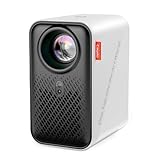
8. Caydo P1 – An Entry Point That Stops the Eye-Scaling
Caydo P1 Art Projector for Artists, Built-in Exclusive Drawing App
165 ANSI lumens
Native 720P
Built-in drawing app with grids
Compact 1.3 kg body
Pros
- Art-specific app with zoom rotation grids and four modes
- Works in a dim room without full darkness
- Enlarges a small phone photo to a canvas size for tracing
- QR code or USB transfer without internet
- Sealed optical core resists dust
Cons
- Native 720P and 165 ANSI lumens limit detail
- Auto keystone can drift after a bump
- One report of a focus failure after a single use
- Short 10000 hour lamp life
The P1 is the entry point, and for a specific job it does that job well. If you are a student or a hobbyist who wants to stop hand-scaling artwork, the built-in art software with 0 to 200 percent zoom, 360-degree rotation, 3×3 grids and four artistic modes does the job for very little money.
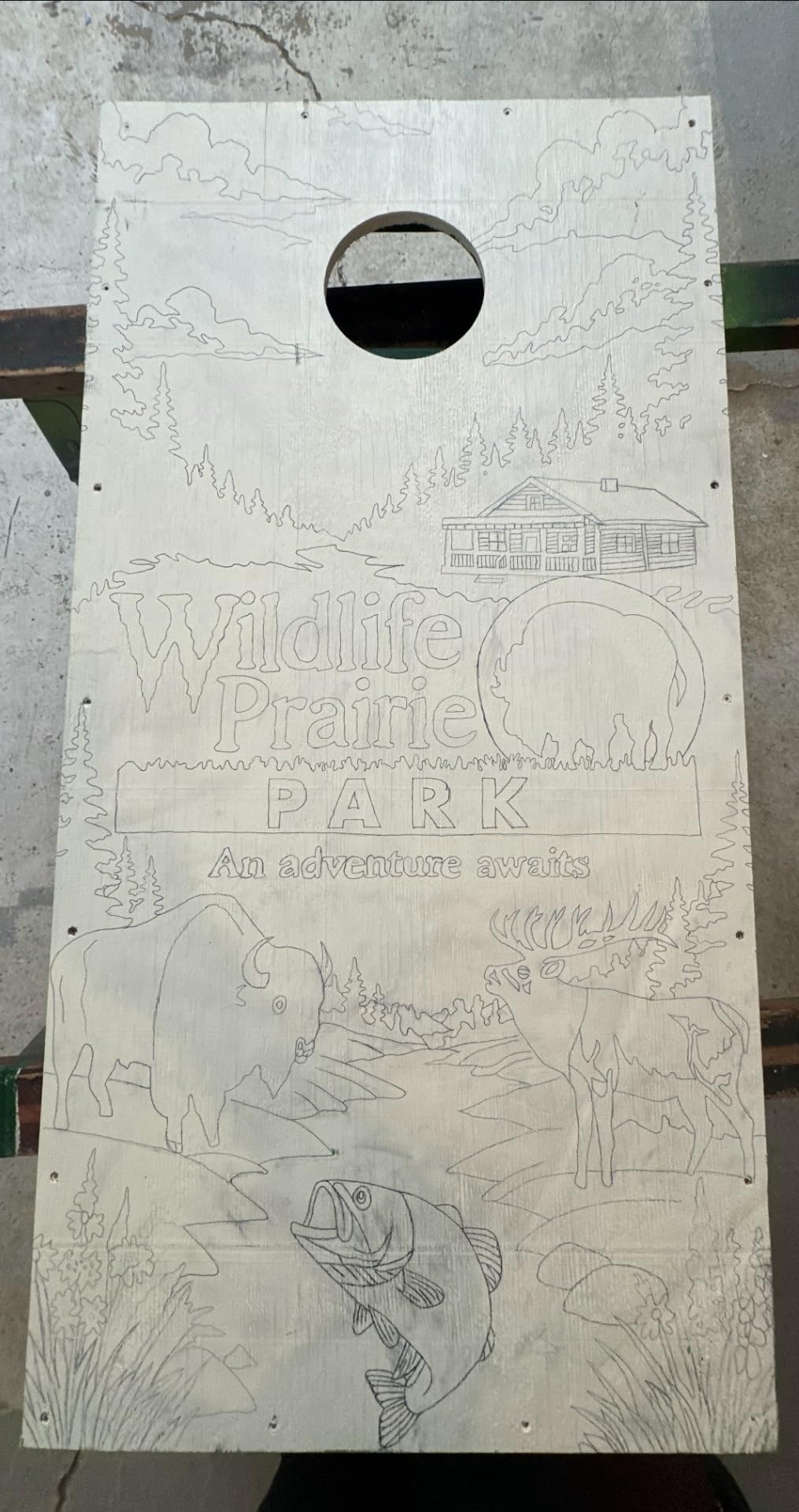
One reviewer enlarges a five by eight inch phone photo to roughly 12 by 20 inches on canvas and traces the outline. That is the honest ceiling of this projector, and it is a real and useful ceiling for practice work, lettering studies and small panels.
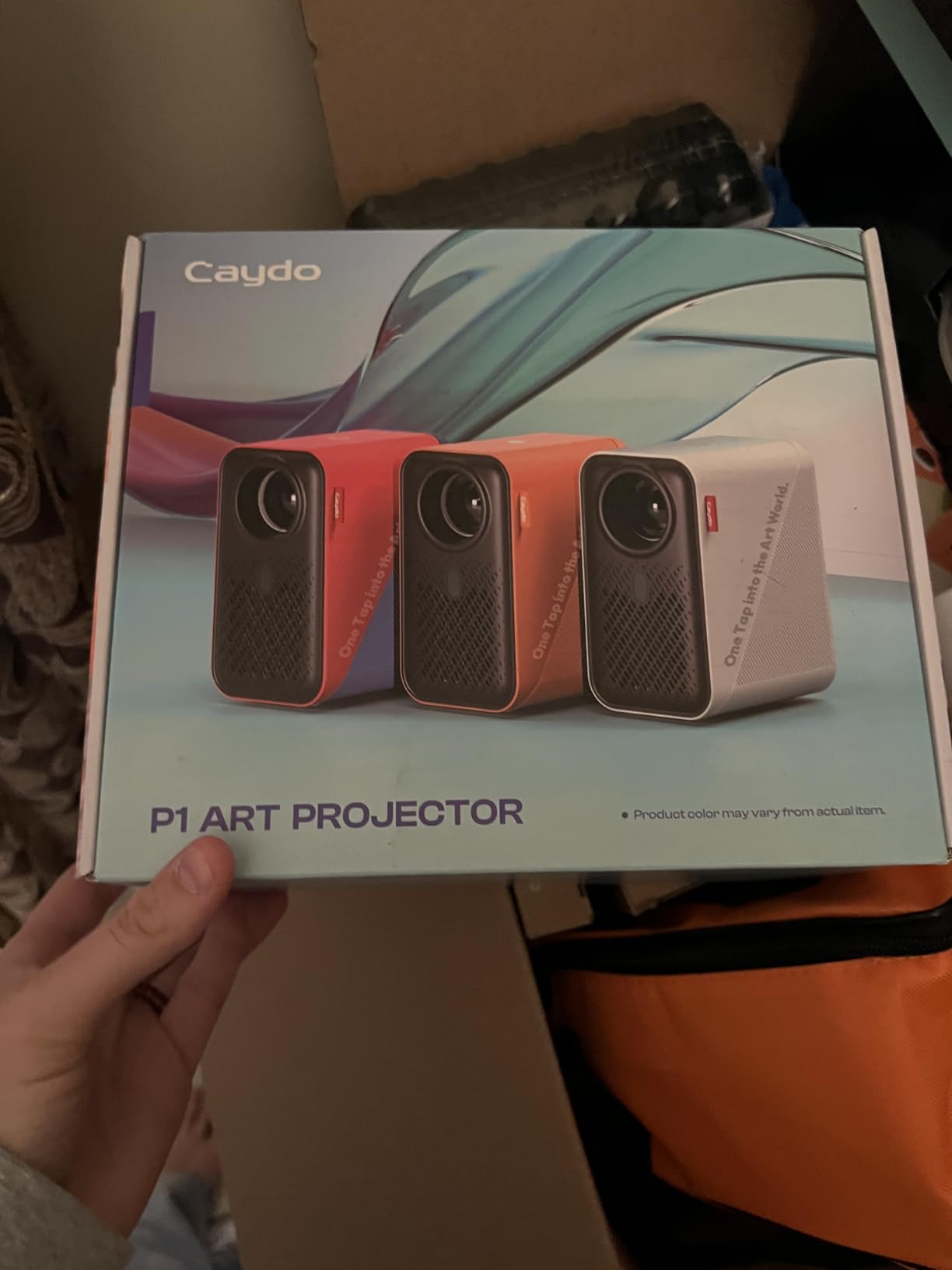
Two things make it more usable than the 165 ANSI lumen figure suggests. Reviewers confirm it works in a dim room without full darkness, which many projectors cannot, and QR code app transfer or a USB drive means a poor internet connection does not block your work.
The sealed optical core reduces dust entry and black spots for steadier image quality over time, which matters if you are working in a room where pigment dust settles. At 3.66 by 4.92 by 6.61 inches and 1.3 kg, it is compact and doubles as a home video projector.
The reliability notes are the reason this is a budget pick rather than a recommendation. Some buyers report the auto keystone drifting after a bump with no manual keystone control to recover it, and one reviewer reported the unit stopped focusing after a single use and a factory reset. The screen-fit adjustment shown in marketing also does not behave as described and is not documented in the manual.
Where the Caydo P1 earns its place
It suits students, hobbyists and anyone working at a small scale who wants the drawing tools of a dedicated art projector without a dedicated art projector budget. The four artistic modes and 3×3 grids are genuine artist features, not renamed streaming menus.
It also works as a second, low-stakes device. A compact unit that projects onto walls, easels, blackboards and whiteboards is handy for a workshop or a group session where the main projector stays packed.
Where it will disappoint you
Native 720P at 165 ANSI lumens is the limit on both axes. Fine linework softens and daytime visibility is poor, so a large wall in a lit room is out of the question.
The auto keystone drift and the undocumented screen-fit behaviour are the real drawbacks, and with no manual keystone control there is no workaround. The 10,000 hour lamp life is among the shortest in this lineup, so plan on a replacement eventually.
9. Artograph LED Tracer – An Opaque Enlarger With No Screen at All
Artograph LED Tracer Opaque Art Projector, 2X-14X Enlargement, 5″x5″ Copy
2X to 14X enlargement
5 by 5 inch copy area
200mm optical glass lens
LED board rated 10000 hours
Pros
- Works with no app no computer and no screen
- 200mm optical glass lens gives a clear traceable image
- LED runs cooler and lasts longer than the older CFL design
- Simple place-and-trace workflow
- Compact at 3 pounds for a studio or classroom
Cons
- Opaque only so limited to 5 by 5 inch source artwork
- Requires a dark room for maximum visibility
- 18 percent of reviews are one-star
- Large designs need breaking into sections
Everything else on this list is a digital projector. The Artograph LED Tracer is not. It is an optical enlarger: you lay your original drawing face down on the copy tray, switch on a bright LED board, and a lens projects the image enlarged onto the wall or your easel. No screen, no app, no laptop, no image file.
For artists who work from physical originals, that simplicity is the entire appeal and there is no digital substitute. A hand-drawn master, a found illustration, a page from a sketchbook, a technical diagram: it enlarges up to 14 times from a five by five inch original and you trace directly onto the projected outline.
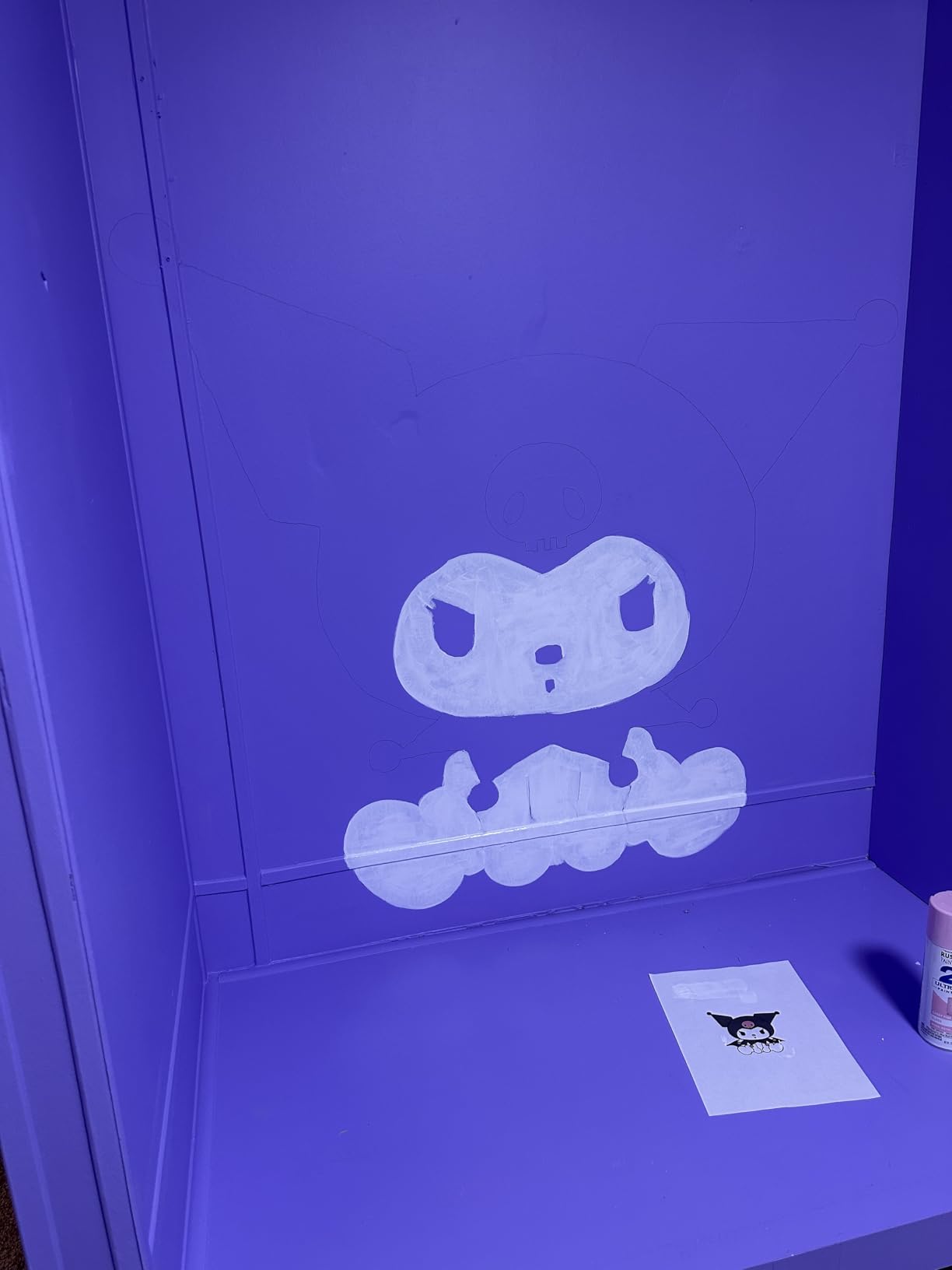
The 200mm optical glass lens is the component that matters and it is a genuinely good one. Optical glass produces a cleaner, sharper projection than the plastic lenses in many inexpensive digital units, and the image stayed defined enough for us to follow pencil linework without hunting for focus.
The LED board runs cooler and lasts considerably longer than the older CFL bulb design that this category was built around, rated at 10,000 hours. At 5.5 inches wide, 12.75 deep and 9 high, and weighing 3 pounds, it moves between a studio, a classroom and a guest room without ceremony.
Now the honest limits. This is an opaque projector, so your source artwork must physically fit the five by five inch copy area, which rules out any digital workflow and any image larger than that. It also needs a dark room for maximum visibility, and 18 percent of its reviews are one-star, largely reflecting exactly those two constraints.
Where the Artograph LED Tracer earns its place
It suits artists, students and classroom teachers who work from hand-drawn originals and want a tool with no learning curve at all. Place the drawing, switch it on, trace. There is no menu, no app and no file format to argue with.
It also suits anyone who wants a projector that will simply keep working. There is no firmware, no streaming service to expire and no app rights to lose. The optical workflow will still function in ten years in a way that no software-dependent device can promise.
Where it will disappoint you
If your reference is a phone photo, a digital file or a photograph, this is the wrong instrument entirely. The copy area is five by five inches and that is a hard physical limit.
The 14 times enlargement works best when large designs are broken into sections, so a full mural becomes a multi-session process rather than a single setup. It also wants a dark room, so it pairs naturally with evening work rather than daytime painting.
10. ViewSonic PA503HD – 4000 ANSI Lumens With a DLP Image
ViewSonic PA503HD 4000 Lumens 1080p Full HD DLP Projector, High Brightness
4000 ANSI lumens
Native 1920x1080 DLP
1.4-1.6 throw ratio
Replaceable 240W lamp
Pros
- 4000 ANSI lumens legible in rooms with ambient light
- Native 1920x1080 DLP with 22000:1 contrast and SuperColor
- 1.1x optical zoom plus vertical auto keystone
- Sharp focus reported even on a 3 meter wide projection
- Three-year parts and labour warranty
Cons
- Limited tilt on the two adjustable feet
- Vertical auto keystone only with no horizontal correction
- 4000 hour lamp life is a consumable to plan for
- No streaming apps or WiFi
There is a category of painter who does not want a smart projector at all. The ViewSonic PA503HD is a plain, serious 4000 ANSI lumen DLP machine with no apps, no WiFi and no opinions about your media diet, and for a committed studio that is a feature.
The DLP panel at native 1920 by 1080 with 22000:1 native contrast produced an image that stayed consistent across our test walls and it was the one we reached for repeatedly. Users report sharp focus and clean HDMI images even across a three metre wide projected area, and one buyer compared it favourably to a more expensive 4K projector for overall sharpness.
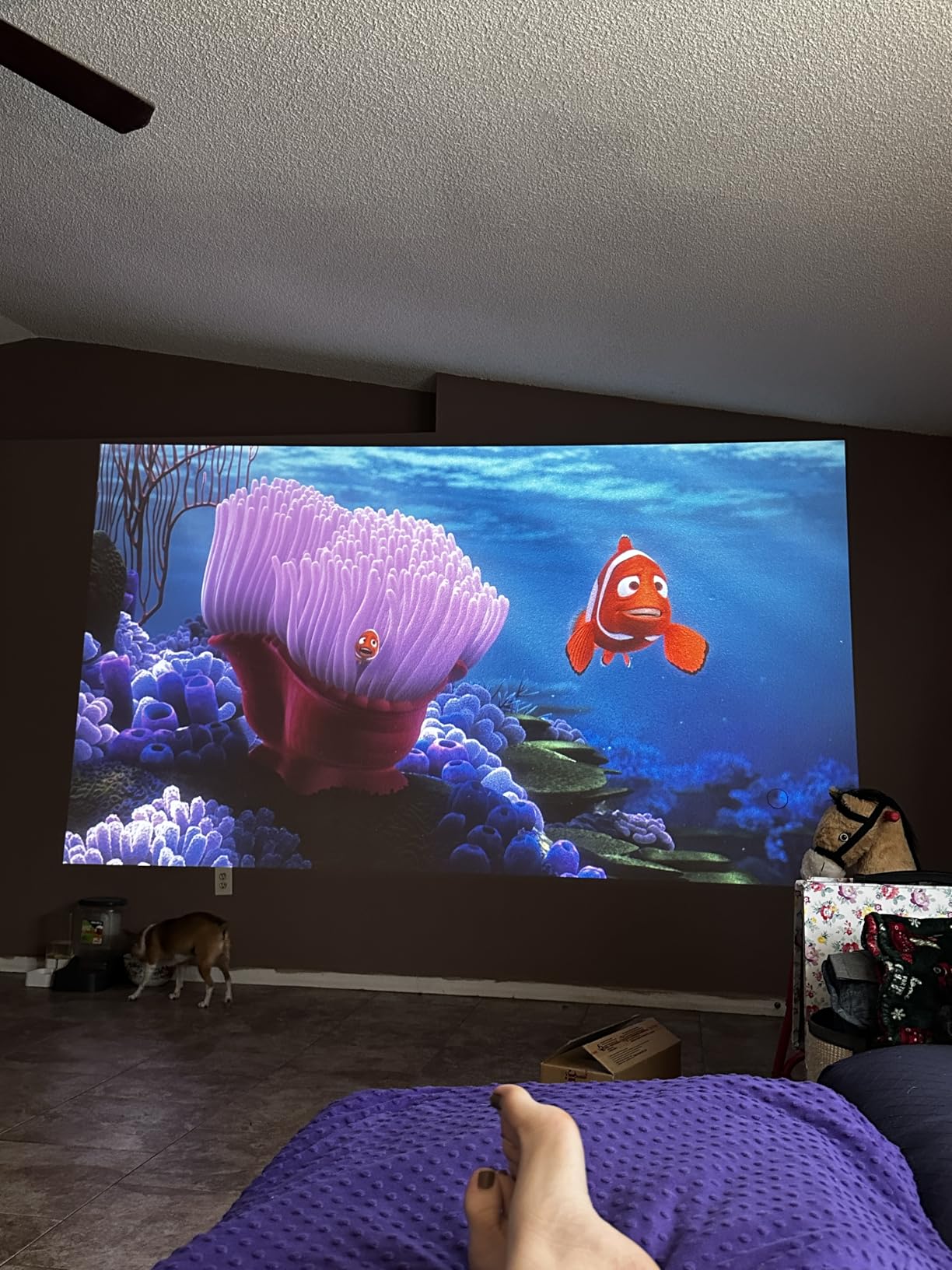
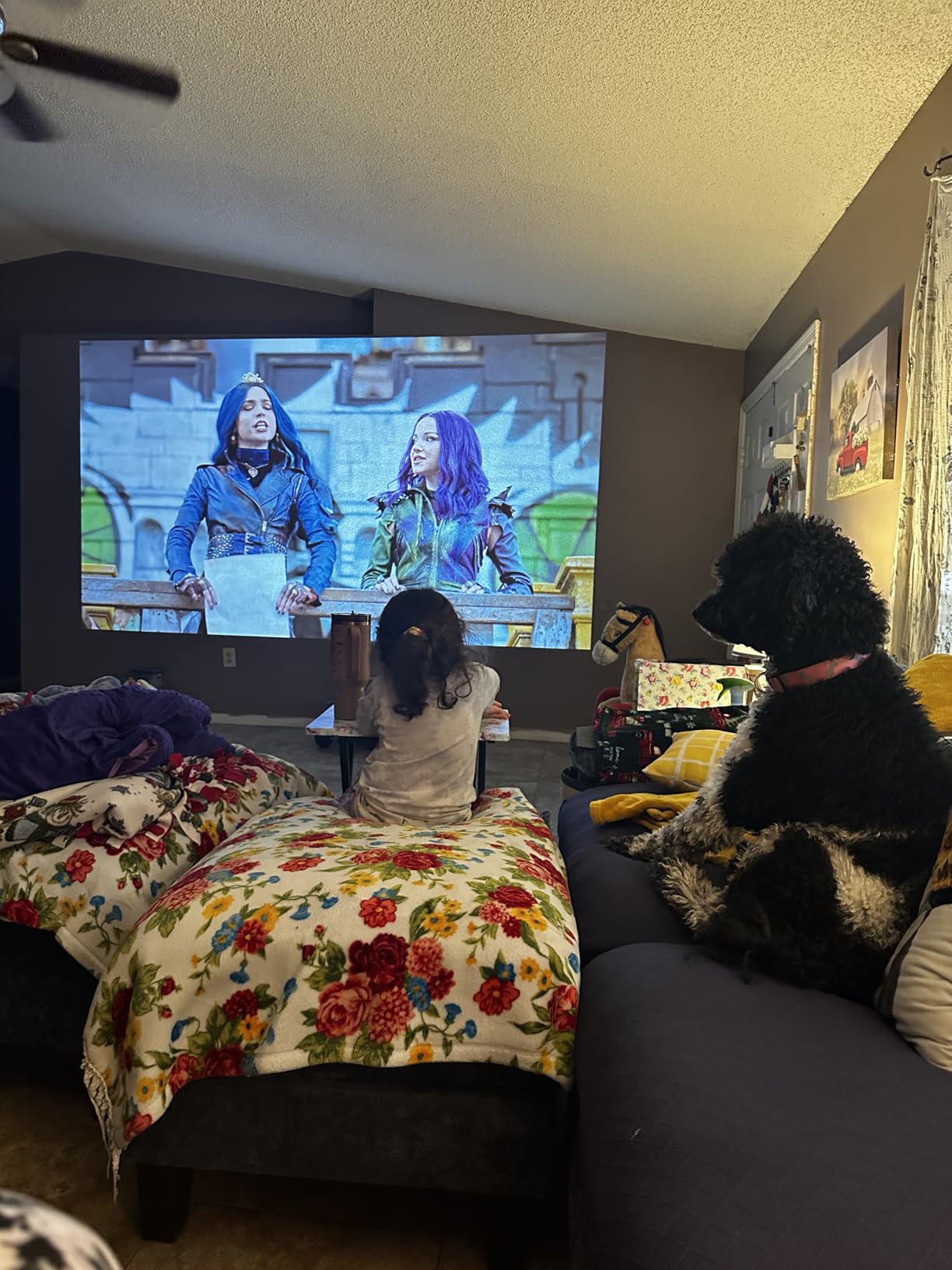
At 4000 ANSI lumens it is bright enough to work in a room with moderate ambient light and daylight present, which no other unit here except the AuKing H10 can claim. For a studio with large north-facing windows that you cannot fully curtain, that is the difference between a usable tool and a night-only one.
Geometry is handled by a 1.4 to 1.6 throw ratio, 1.1x optical zoom and vertical auto keystone. The optical zoom is the important detail: it changes the image size without the digital cropping that shrinks your usable composition, so you keep the full projected area on the wall.
Aiming is awkward on this one, because only two small adjustable feet provide tilt, so a wall that is not square to the projector generally needs a stand or improvised support. And the correction is vertical only, with no horizontal keystone and no full manual geometry control, which matters if your wall is angled in plan rather than in height.
The 240W lamp is rated for 4,000 hours and is a consumable, which is a real ongoing cost the LED models avoid. In exchange you get a three-year limited warranty on parts and labour, a one-year lamp warranty and a first-year Express Exchange service.
Where the ViewSonic PA503HD earns its place
It suits the professional muralist with a fixed studio who works in a room they cannot fully darken and who values a clean, sharp, bright image over streaming convenience. Feed it a laptop over HDMI and it does exactly that.
It also suits anyone who plans to mount the projector permanently. Ceiling mount support is specified, including compatibility with the ViewSonic PJ-WMK-007 mount, and a fixed installation plus optical zoom is a stable combination for a repeatable mural setup.
Where it will disappoint you
No horizontal keystone means an angled wall in plan will not correct cleanly, and the limited tilt makes placement fussy. If your mural surface is not square to the room, this is a harder setup than the auto-keystone models.
There are no streaming apps and no WiFi, so a source must be connected by HDMI or USB every time. The 4,000 hour lamp is a consumable you will replace eventually, and one reviewer reported the on-screen controls randomly changing settings, which is worth knowing about if you leave it running unattended.
How to Use a Projector for Mural Painting?
Set-up takes about ten minutes once you know the order. The sequence matters because each step assumes the one before it is correct.
Prepare the wall. Fill and sand, then paint the base coat and let it cure fully. Projecting onto a wall that is still curing will show every dent you cannot see.
Load your reference. Cast from a phone or laptop, or place your original on an opaque projector’s copy tray. Turn off any screen mirroring protection so the image appears cleanly.
Darken the room. Close curtains, switch off overhead lights and turn off any lamp pointed at the wall. Every lumen you remove from the equation is a lumen you do not need to buy.
Position square to the wall. Place the projector perpendicular to the surface, centred on the composition. Keystone correction is a correction, not a substitute for correct placement.
Correct the geometry. Use vertical and horizontal keystone until the rectangle is a rectangle. Then check the corners against your wall edges and a level.
Set the size and focus. Adjust throw distance or zoom until the image matches your intended wall dimensions, then focus until line edges are crisp rather than soft.
Lock the framing. Mark the image boundary in pencil on the wall, then verify proportions against your sketch before you trace anything.
Trace lightly. Use a soft pencil or artist chalk on a bare wall, or trace a grid first if the composition is complex. Keep the light source behind you and work in short sessions.
Paint over the guides. Remove pencil lines as sections are finished so the image stays visible ahead of your brush rather than disappearing under paint.
How Many Lumens Do You Need? Lumen Requirements by Wall Size
The number that matters is ANSI lumens, not the brightness figure in a listing title. Marketing lumens, LED lumens and lux cannot be compared with an ANSI rating, and the gap between a claimed figure and real ANSI output is the single most common complaint in projector communities. Judge every projector on the ANSI rating and ignore everything else.
Use the wall sizes below as a starting point for a fully darkened room. In a room with daylight or overhead lighting, double the figure.
Small canvas or panel under 1 square metre: 400 to 700 ANSI lumens. This is the art projector range, and the built-in drawing modes matter more than brightness at this size.
Small wall up to 4 by 8 feet indoors: 1500 ANSI lumens or more. A dim room, and the most common first mural project.
Medium wall up to 8 by 10 feet indoors: 2500 ANSI lumens. A darkened room, with a cover on any window that lets light through.
Large wall up to 12 by 12 feet indoors: 3500 to 4000 ANSI lumens. At this size, ambient light starts to matter and you should plan to work in the evening.
Commercial wall 16 by 16 feet and beyond: 5000 ANSI lumens or more, and expect to work section by section with the projector repositioned.
Outdoor work in daylight or open shade: 5000 ANSI lumens as a floor, and treat dusk as the realistic working window for anything larger.
A practical rule: if you can measure the wall, add about 30 percent headroom over the figure above. Brightness falls off with distance and with image size, so a projector that is exactly right at 4 by 8 feet will disappoint at 10 by 10.
Digital vs. Opaque Art Projectors: Which One Do You Need?
Choose an opaque projector if your reference is a physical original and you want zero friction. Choose a digital projector if your reference lives on a phone, tablet or computer, which is now the majority of professional workflows.
An opaque projector enlarges a drawing placed face down on a lit copy tray. There is no screen, no file and no app, and the optical lens produces a clean image from a small original. It is a purely mechanical tool and it will work indefinitely, but your source must physically fit the copy area, usually five by five inches.
A digital projector casts an image from a device over HDMI, USB or WiFi. You can scale any image to any wall, mirror from a phone, overlay grids, apply sketch filters and store references on the device itself. It is far more flexible and it is the right answer for almost all mural work today.
The practical compromise artists mention most often is a hybrid: a digital projector as the main tool and an opaque unit as a backup for physical originals. It is also a reasonable two-stage purchase, starting with an art projector for studies and adding a high-lumen digital unit when you take on wall-scale commissions.
Short-Throw vs. Long-Throw, and What Keystone Correction Really Does
Throw ratio is the image width divided by the distance from lens to wall. A short-throw projector makes a wide image from close range, which suits a small room and a short wall. A long-throw projector needs more distance for the same width, which suits a large room and a wall you cannot get close to. Check the throw range before buying and match it to the deepest position you can actually use.
Keystone correction fixes the trapezoid that appears when the projector is not perpendicular to the wall. There are two versions, and the difference matters enormously for mural work. Digital keystone warps the image by cropping it, which means you lose part of your composition. Optical keystone, or lens shift, moves the image without cropping.
Artists ask about this constantly because an angled wall is the normal case, not the exception. Basements, side walls, corners and angled gallery walls all defeat a projector placed square on. Prioritise a unit with both vertical and horizontal correction, and check whether the correction is digital or optical, because a digital version on a wide mural costs you the edges of your design.
One practical note worth remembering: a projector with an adjustable rotating stand can introduce an angle that defeats auto focus. The HAPPRUN JQ820, for example, states that auto focus fails beyond a 15 degree angle, so on an off-square wall you may need to correct focus and keystone by hand.
Painting Murals Outdoors and in Daylight
Outdoor mural work is the least covered topic in this category and the most demanding. Daylight changes faster than you can paint, ambient light erases contrast, and a wall that faces the sun at midday is effectively unworkable until the sun moves.
Plan around the light rather than fighting it. The most productive outdoor sessions run from late afternoon to dusk, when open shade and warm low sun give you a usable image without the brightness penalty of midday. Set up on the shaded side of the building and rotate your working position as the light moves.
For brightness, 5000 ANSI lumens is the practical floor outdoors, and even then the realistic target is a shaded or twilight wall rather than open sun. If you cannot move your schedule, budget for the brightest unit you can carry rather than the most feature-rich one.
Two other outdoor factors get overlooked. Dust and pollen affect a projector far more than they affect a brush, so a sealed optical engine matters more outside than in. And power access is often the real constraint, so check what the projector needs before you commit to a site, and treat a folding stand as essential rather than optional.
Buying Guide: Choosing a Projector for Painting Murals
Work through these criteria in order. The first two decide whether a projector is viable for you at all, and the rest are refinements.
ANSI lumens first. Use the wall sizes above and add headroom. If you cannot darken the room, add half again on top. Ignore every other brightness claim on the listing.
Match the throw range to your space. A projector that can only reach ten feet will not cover a long wall from one position, and one with a 1.1 metre minimum throw will not fit a small room.
Check keystone on both axes, and check how it is done. Vertical only is a problem for angled walls, and digital correction crops the image you are trying to trace.
Resolution: 1080P is enough for most mural work. Native 1080P traces cleanly at wall scale. 4K decoding is useful for playback but is not the same as native 4K, and for hairline illustration the art projector modes matter more than the panel.
Light source and longevity. LED and laser sources rated at tens of thousands of hours remove bulb cost entirely, which matters for a studio tool. A replaceable lamp is a consumable to plan for and budget for.
Portability versus stability. A rotating or adjustable stand saves you buying a tripod, but check whether the stand also defeats auto focus at extreme angles. A fixed body with a proper mount is more stable for long sessions.
Sealed optics for studio use. Pigment dust, plaster dust and paint overspray darken unsealed panels over years. A sealed optical engine is the most relevant longevity feature in a paint studio.
Art-specific features if you work from digital references. Grids, rotation, zoom and sketch filters remove the most tedious part of setting up a composition. They are the reason to choose an art projector over a brighter general-purpose one.
Noise. Studio work is quiet work. Anything above roughly 30 decibels becomes intrusive during long tracing sessions, so check the cooling figure.
Connectivity. At least one HDMI and one USB port, plus WiFi mirroring if you want to cast from a phone. Streaming apps are largely irrelevant to art work, so do not pay for them.
Two methods worth comparing before you commit. The projector method gives you true scale, correct proportion and a full composition in one shot, and it is the fastest route for anything with figures or text. The grid method costs you time but needs nothing but a pencil and a measuring tape, and it remains the right choice for very large walls where a projector cannot reach. Carbon transfer paper suits small, detailed originals and none of the others.
Frequently Asked Questions
What is the best projector for painting murals?
The best projectors for painting murals are the ones rated in ANSI lumens, matched to your wall size and your room light. For a darkened studio and a wall up to 8 by 10 feet, 2500 to 4000 ANSI lumens with native 1080P and both-axis keystone is the practical sweet spot. Outdoors or in a lit room, 5000 ANSI lumens is the realistic floor.
How do I use a projector for a mural?
Prepare and base-coat the wall first, then load your reference image and darken the room. Place the projector square to the wall and centred, correct vertical and horizontal keystone until the rectangle is true, set the size and focus, mark the image boundary in pencil, and check proportions against your sketch. Trace lightly, then paint over the guides section by section.
How many lumens do I need for mural painting?
In a fully darkened room, allow roughly 1500 ANSI lumens for a wall up to 4 by 8 feet, 2500 for up to 8 by 10 feet, and 3500 to 4000 for walls around 12 by 12 feet. Add about 30 percent headroom for image size and throw distance, and double the figure if daylight or overhead lighting is present.
What does keystone mean on a projector?
Keystone correction fixes the trapezoid distortion that appears when a projector is not perpendicular to the wall. Digital keystone warps and crops the image, so you lose part of your composition. Optical keystone, or lens shift, corrects the geometry without cropping. For mural work on an angled wall, check for both vertical and horizontal correction.
Is a 4K or 1080p projector better for painting?
For tracing a mural, native 1080P is sufficient and 4K decoding adds little. Resolution matters only when your reference contains very fine linework or small lettering, where thin strokes can soften. Judge brightness in ANSI lumens and check keystone on both axes before resolution, because those two decide whether the image is usable at all.
Conclusion: The Best Projectors for Painting Murals
The VISSPL RD618 is our first choice for the best projectors for painting murals, with 3500 ANSI lumens, a rotating stand that replaces a tripod, and quiet cooling that suits a still studio. For outdoor walls, the AuKing H10 at 5000 ANSI lumens and a 16.9 foot throw is the one that works before dark. The ViewSonic PA503HD handles bright studios with a sharp DLP image, and the HAPPRUN JQ820 covers port-heavy indoor work at a sensible entry point for a first serious purchase.
Whichever you choose, judge it on ANSI lumens against your wall size, on whether it corrects both axes without cropping, and on whether your space can be darkened. Those three answers decide whether you can trace accurately. Start with a section of wall rather than the whole composition, and let the projector remove the measuring, not the painting.