
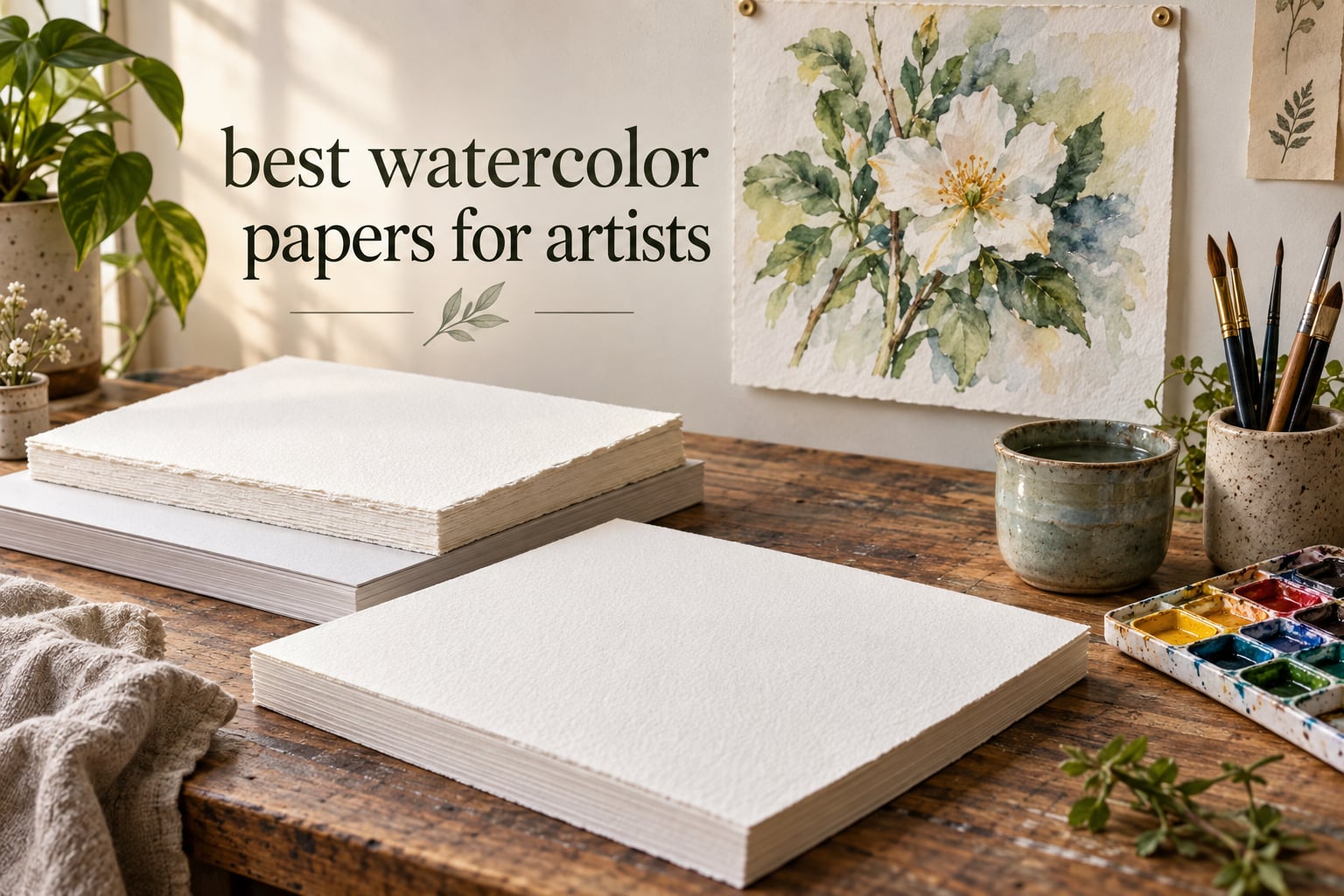
If you have ever painted a careful wash on a cheap pad and watched the pigment puddle, pill, or buckle into waves, you already know the truth about watercolor: paper is the medium. Brushes, pigments, and even your technique all take a back seat to the surface you lay them on. I learned this the hard way in my first class, watching a tiny landscape disintegrate while the artist next to me produced clean, vibrant strokes on the same paints.
After comparing dozens of pads and blocks, testing washes, lifting pigment, scrubbing edges, and counting how many sheets survived a wet-on-wet storm, our team put together this guide to the best watercolor papers for artists in 2026. Whether you are picking up a brush for the first time or replacing your studio workhorse, we will help you match the right paper to your style, your budget, and your goals.
Inside, you will find ten trusted recommendations covering student, intermediate, and professional grades, plus a buying guide that breaks down cold press vs hot press, weight, cotton content, and format. We also answer the most common questions from beginners and experienced painters so you can buy once and paint with confidence.
Table of Contents
Top 3 Picks for Best Watercolor Papers for Artists (October 2026)


Quick Comparison: Best Watercolor Papers in 2026
| Product | Specs | Action |
|---|---|---|
| Arches 9×12 Cold Press Pad |
|
Check Latest Price |
 Arches Aquarelle 10×14 Cold Press Pad Arches Aquarelle 10×14 Cold Press Pad |
|
Check Latest Price |
 Arches 8×10 Cold Press Block Arches 8×10 Cold Press Block |
|
Check Latest Price |
 Saunders Waterford Cold Press Block Saunders Waterford Cold Press Block |
|
Check Latest Price |
 Hahnemuhle Collection Cold Press Pad Hahnemuhle Collection Cold Press Pad |
|
Check Latest Price |
 Canson Montval 5.5×8.5 Pad Canson Montval 5.5×8.5 Pad |
|
Check Latest Price |
 Strathmore 400 Series 11×15 Pad Strathmore 400 Series 11×15 Pad |
|
Check Latest Price |
 Canson XL 7×10 Pad Canson XL 7×10 Pad |
|
Check Latest Price |
| Amazon Basics 9×12 Pad |
|
Check Latest Price |
 Strathmore 300 Series 9×12 Pad Strathmore 300 Series 9×12 Pad |
|
Check Latest Price |
1. Arches 9×12 Cold Press Pad – The Gold Standard for Watercolor Papers for Artists
Arches Watercolor Paper Pad, 140 pound, Cold Press, 9″x12″
100% cotton
140 lb cold press
12 sheets, 300 GSM
Glue-bound pad
Pros
- 100% cotton with timeless quality
- Fabulous absorbency and color vibrancy
- Very durable and thick paper
- Forgiving for beginners; stands up to scrubbing and lifting
- Available in cold press
- hot press and rough textures
- pH-neutral with no optical brightening agents
Cons
- Higher cost than cellulose-based papers
- Smaller sheet count per pad compared to budget pads
I have used this exact Arches pad in my own sketchbook practice for over a year, and it is the surface I keep returning to. The first thing you notice is the tooth: a soft, irregular cold press texture that catches pigment without grabbing the brush. Lay down a flat wash and the color blooms evenly, with no streaking or pilling even when I rewet the same area three or four times.
What I love most is how forgiving this paper feels. I can scrub with a damp brush to lift a sky mistake, and the surface comes back for more without tearing or fuzzing. The 140 lb weight holds up to generous water without buckling into waves on the page, and the natural white tone keeps mixed colors looking clean and accurate.
The pad format is glue-bound along the top, so each sheet peels off cleanly when the painting is dry. I have finished pieces on these sheets that I later framed without any warping or yellowing, which is the archival promise Arches has built its name on since 1492. The sheet is pH-neutral, gelatin-sized, and free of optical brighteners, so colors stay true over the years.
This pad also plays nicely with mixed media. I have used it for gouache, ink, colored pencil, and pastel, and the surface handles each one without bleeding or feathering. The 9×12 inch size feels right for travel; small enough to fit in a backpack, large enough for a proper study.
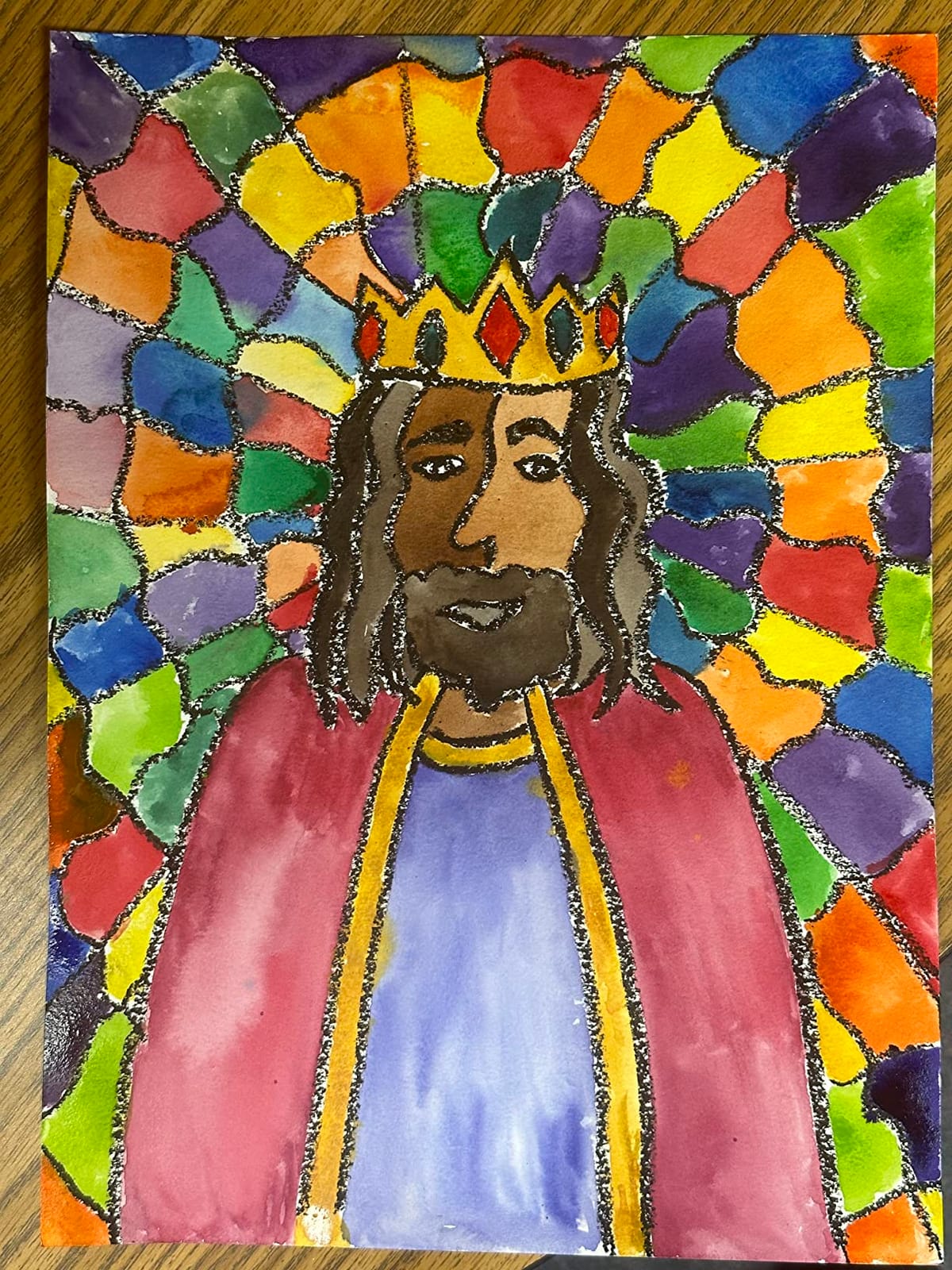
Best for serious practice and finished work
If you are an intermediate or professional artist who wants a paper that will not limit your technique, this is the pad to buy. The cotton content, weight, and sizing all combine to support heavy washes, lifting, glazing, and detailed brushwork in equal measure.
Beginners also benefit from this paper. Yes, the upfront cost is higher than a cellulose pad, but the learning curve drops dramatically when your paper cooperates with you. Mistakes become recoverable, and you start to see what your paints can actually do.
Who should pass
If you only paint for fun, do not need archival quality, and want maximum sheets per dollar, a cellulose pad will serve you fine. This is a premium paper, and the price-per-sheet reflects that. Treat it as a long-term investment in your art, not a daily throwaway.
Very young artists or kids experimenting with watercolor may also be better served by a budget pad first, then graduating to Arches once they know they love the medium.
2. Arches Aquarelle 10×14 Cold Press Pad – A Larger Canvas for Serious Studies
Arches Aquarelle Watercolor Paper Pad, Cold Pressed, 140lb/300gsm, 12 Sheet, 10×14 inch, 1 Count
100% cotton
140 lb cold press
12 sheets, 300 GSM
Edge-glued 10x14
Pros
- 100% cotton
- gelatin sized to the core
- Exceptional resistance to scratching
- erasing
- tearing and linting
- Slackens uniformly when wet for outstanding control
- pH-neutral with harmonious natural grain and no optical brightening agents
- Edge-glued pad - sheets easily removed
- Excellent for watercolor
- gouache
- ink
- pencil
Cons
- Higher price than cellulose papers
I switched to this 10×14 Aquarelle pad when I started painting larger studies, and the extra real estate changed how I composed scenes. The 10×14 inch sheet gives you a 3:4 ratio that is comfortable for landscape work, full botanical illustrations, and figure studies where you need breathing room around the subject.
The construction is the same trusted Arches formula: 100% cotton fibers, cylinder-mold laid, and gelatin sized to the core. That last phrase matters more than most beginners realize. Sizing all the way through the sheet means the surface absorbs water at a controlled rate, so washes stay workable longer and colors do not sink in muddy.
I tested this pad against a cellulose pad of similar weight on the same sky study. The Arches sheet held a soft, even gradient for nearly twice as long, and lifting out a cloud was clean and effortless. The cellulose sheet left fuzzy halos where the pigment dried into the fibers too quickly.
The edge-glued pad design is a small detail that makes a real difference. When you finish a sheet, you slide a butter knife along the binding and the painting pops off with a clean edge, no torn corners. I have framed multiple pieces directly from this pad without any trimming needed.
Best for studio work and larger compositions
Artists who paint at A4 size or larger will appreciate the generous 10×14 format. Botanical illustrators, landscape painters, and anyone working on a sustained studio piece will feel the difference in how the surface handles repeated layers and corrections.
It also makes a wonderful paper for teaching or workshop use, where multiple washes and corrections happen on a single sheet.
Who should pass
If you mostly work small or need a portable travel pad, the 10×14 sheet is overkill. Stick with the 9×12 pad above. Also, if the budget is a hard constraint, this pad costs more than most beginners want to spend on their first purchase.
The 12-sheet count also runs out faster than a 30-sheet cellulose pad, so plan your purchases accordingly.
3. Arches 8×10 Cold Press Block – The Block Format That Stays Taut
Arches Watercolor Paper Block, Cold Press, 8″ x 10″, 140 pound
100% cotton block
140 lb cold press
20 sheets, 300 GSM
Glued all four sides
Pros
- 100% cotton
- gelatin sized to the core
- Glued on all sides preserves paper integrity
- Slackens uniformly when wet for outstanding control
- pH-neutral with harmonious natural grain
- Protective cover sheet included
- Available in 13 sizes and 3 textures
Cons
- Higher price point
- Block format may not be preferred by all
The first time I painted on an Arches block, I was annoyed that I had not discovered the format years earlier. The block is glued on all four sides, so when you soak the paper, it stays perfectly taut on the board. No stretching, no taping, no warping. You paint on what feels like a drum head of cotton.
Once the painting dries, you slip a blade between the sheets and the finished work lifts out with a clean edge. That tactile reveal is genuinely satisfying, and it eliminates the most common beginner frustration of removing a finished painting from a stretched board.
The cotton quality here is identical to the Arches pads above: 100% long-fiber cotton, gelatin sized to the core, pH-neutral, no optical brighteners. I have done multiple glazing layers on a single sheet, lifted back to white, and the paper still had more to give. Professional behavior, plain and simple.
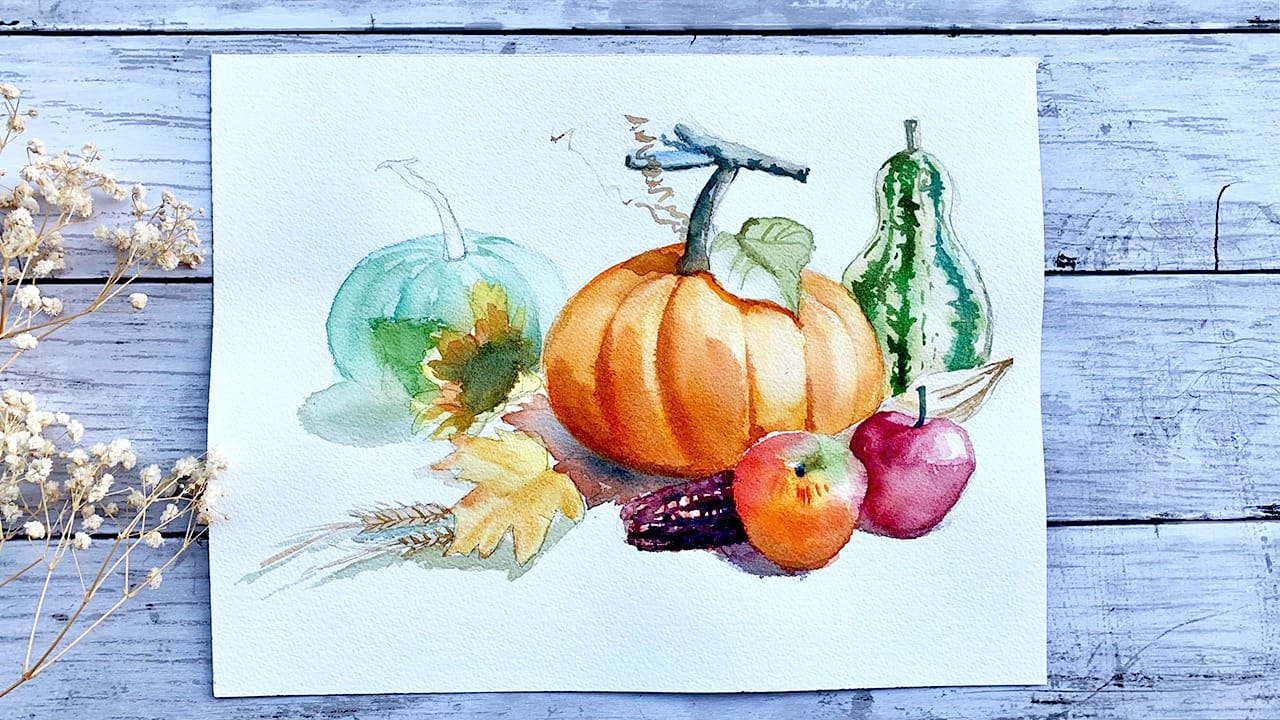
For plein air and travel, this block is a quiet star. The rigid format protects the sheet underneath the one you are painting on, and the small 8×10 size fits in a side pocket of most backpacks. I have painted studies on a windy beach with this block, and the glued format means nothing flutters or lifts.
The protective cover sheet is a nice touch. It keeps the top working sheet clean and ready for your next session, even when the block is tossed into a bag with other gear.
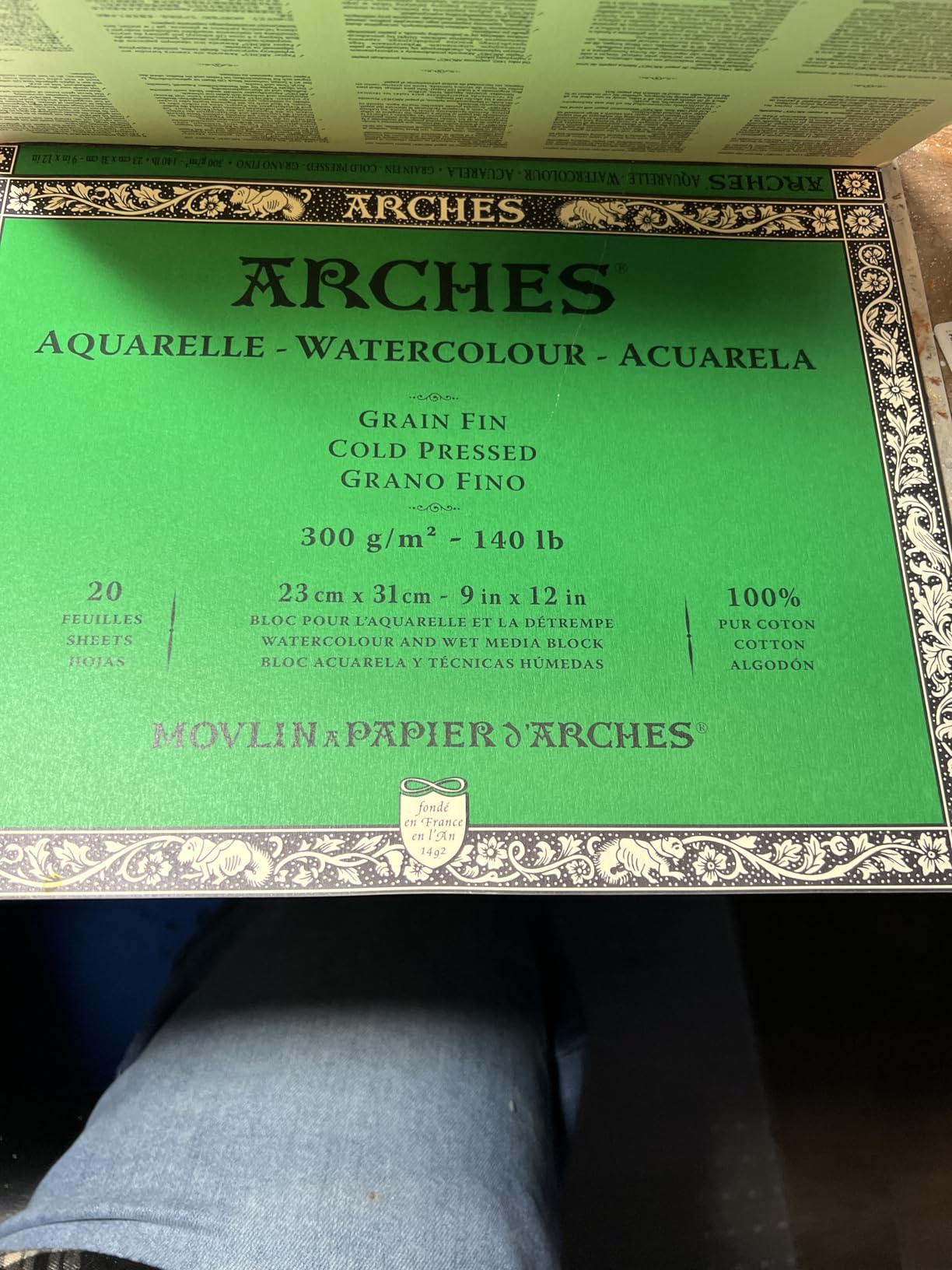
Best for artists who hate stretching paper
If you have ever wrestled with gummed paper tape, soaking, and stretching boards, the block format will feel like a small miracle. The paper stays flat from the moment you start painting until you finish, with no warping at any stage.
Plein air painters, workshop leaders, and anyone who works in a sketchbook style will appreciate the convenience. The block also encourages you to commit to a finished piece, since each sheet is a real surface, not a loose page.
Who should pass
Sketchers who want to flip between pages quickly will find the block format slower. Each finished sheet requires a blade and a careful peel. Also, if you have never used a 100% cotton paper before, start with a pad to learn the feel before committing to a block at this price.
The 20-sheet count is also smaller than a 30-sheet cellulose pad, so consider cost-per-finished-piece when comparing.
4. Saunders Waterford Cold Press Block – Centuries of Mill Tradition
St Cuthberts Mill Saunders Waterford White Paper Not (CP) Block 310 x 230 mm
100% cotton
140 lb mold-made
Block of 20
Gelatin surface sizing
Pros
- 100% cotton
- mold-made paper
- Exceptional archival longevity
- Dries flat on the block without soaking or stretching
- Gelatin surface sizing for strength and paint flow
- Available in hot press
- cold press and rough
- Resistant to scrubbing
- erasing
- and masking fluid
Cons
- Higher price point
- Limited sheet sizes available
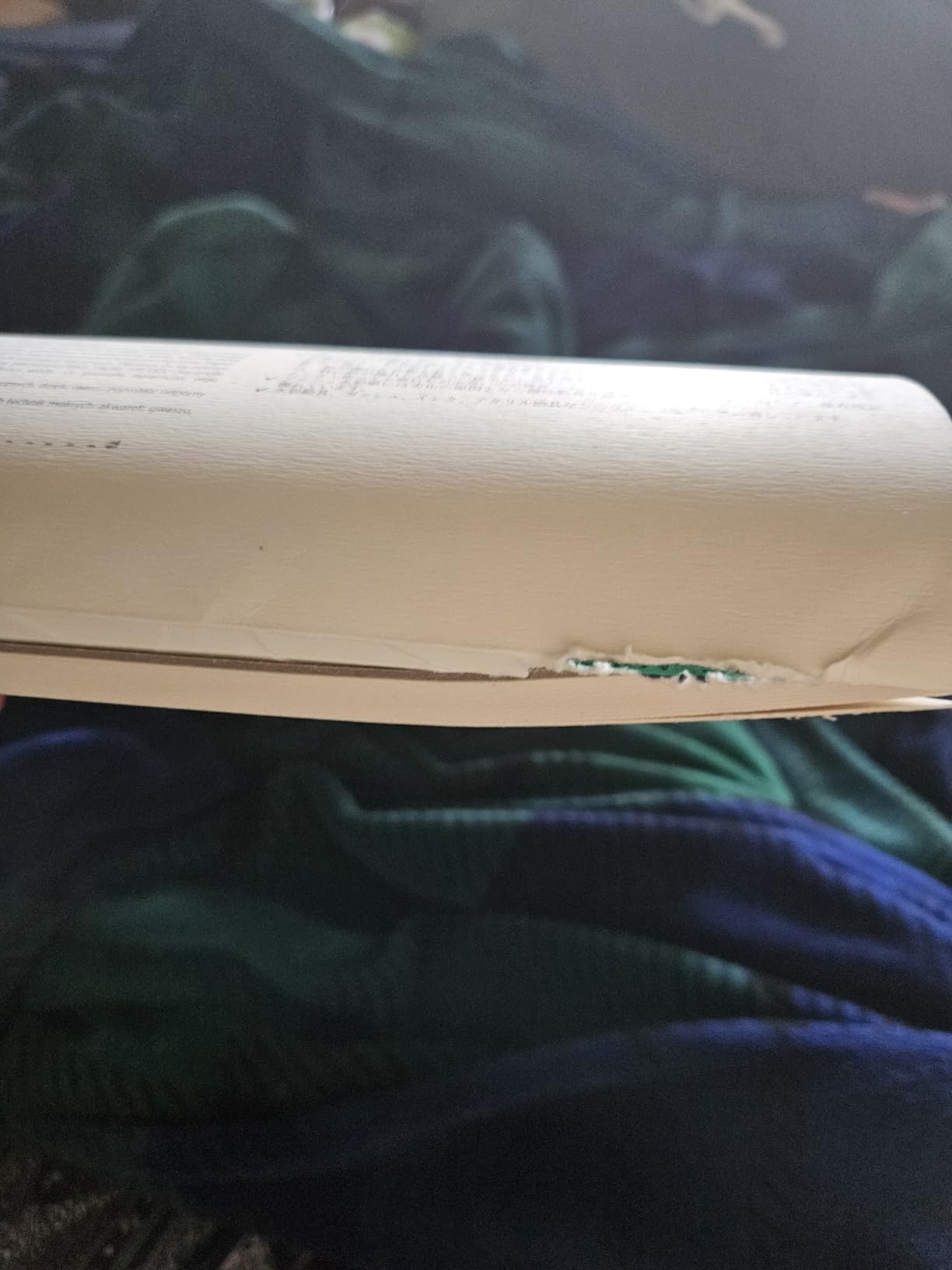
- Some shipments arrived with corner damage
- Sheets may have black edges after detachment
Saunders Waterford is the other professional-grade name that comes up whenever watercolorists argue about paper, and the moment you paint on it, you understand why. Made at St. Cuthbert’s Mill in England from pure raw cotton and natural woolen felts, this paper carries a heritage that goes back to the 1700s.
The surface has a distinctive crispness. The cold press tooth is slightly more refined than Arches, which some artists love for sharper detail work. I find the texture gives excellent edge control, especially for botanical illustration and architectural subjects where crisp lines matter.
The block format behaves the same way as Arches: glue on all four sides, paint while wet, peel off when dry. But Saunders uses gelatin surface sizing rather than sizing to the core, which gives a slightly different absorbency curve. Pigment sits on top a touch longer, which can be a real advantage for glazing or working wet-into-wet with very wet mixes.
The archival promise on this paper is exceptional. Properly stored, sheets will last for hundreds of years without discoloring or falling apart. For artists who sell originals or gift work to family, that long-term stability is meaningful.
Best for archivists and detail painters
If your art is going to be framed, sold, or passed down, the archival quality of Saunders Waterford is hard to beat. Botanical illustrators, portrait painters, and any artist working in fine detail will appreciate the slightly more refined cold press tooth.
It is also a wonderful alternative to Arches if you want a similar professional paper with a different feel under the brush.
Who should pass
If you have never used a 100% cotton paper before, the price of this block is a big leap of faith. Start with a pad to learn cotton behavior, then graduate to Saunders when you know what you are buying.
Also, the sheets can develop black edges when you peel them off the block, which is harmless but startling the first time. If you need perfectly white edges, plan to trim the sheet after removal.
5. Hahnemuhle Collection Cold Press Pad – The Vegan-Friendly Cotton Paper
Hahnemuhle Collection Watercolor 300 Pad Cold Pressed 9×12 Inches 300gsm
100% cotton
Vegan and acid-free
12 sheets, 300 gsm
9x12 cold press
Pros
- 100% cotton with strong fibers
- Durable surface for demanding watercolor techniques
- Holds water well with extended workability
- Vegan
- acid-free
- and aging-resistant
- Excellent for wet-on-wet and glazing
- Colors appear more vibrant than on some other cotton papers
Cons
- Finish feels smoother than typical cold press
- Pricier than cellulose pads
- Sheets can reactivate layers more easily than expected
- Some shipments arrived with corner damage
Hahnemuhle was new to me a year ago, and now it sits in my studio rotation alongside Arches. The Collection pad is a 100% cotton cold press paper with a vegan, acid-free formulation that resists aging, made by a German mill with hundreds of years of papermaking history.
The first thing I noticed was how vibrant my colors looked on the surface. Glazes and granulating pigments seem to glow a little more on Hahnemuhle than on other cotton papers I have tested. The finish also feels slightly smoother than a typical cold press, almost halfway to hot press, which works beautifully for controlled washes and detail.
Wet-on-wet performance is excellent. I can drop color into a wet area and watch it bloom for nearly a minute before the surface tightens up, giving me time to manipulate edges and shapes. For glazing, multiple thin layers dry cleanly without muddying the colors underneath.
The vegan formula is a meaningful differentiator. Many cotton papers use animal-based sizing, and Hahnemuhle’s plant-based alternative gives artists who prefer cruelty-free materials a real professional option. Reddit’s watercolor community has flagged this paper repeatedly when users ask about vegan watercolor paper.
Best for vegan artists and vibrant color work
If you care about animal-friendly art supplies, this is one of the few truly professional vegan cotton papers on the market. The performance matches or exceeds many non-vegan alternatives.
Artists who paint vibrant florals, botanical studies, or any subject where color saturation matters will love how pigments read on this surface.
Who should pass
If you prefer a more pronounced cold press texture, Hahnemuhle’s smoother finish might feel slightly off to you. Stick with Arches or Fabriano for a classic cold press tooth.
The 12-sheet pad also runs out faster than a 30-sheet student pad, so the cost-per-finished-piece is higher.
6. Canson Montval 5.5×8.5 Pad – Pocket-Sized Practice Pad
Canson Artist Series Montval Watercolor Paper Pad, 5.5×8.5 inch, Side Wire, 20 Sheets, (140lb/300g)
Cold press
140 lb / 300 GSM
Micro-perforated
Side wire, 20 sheets
Pros
- Designed for professional artists
- Cold press surface withstands erasing and scraping
- Allows multiple layers of color and washes without warping
- Acid-free and archival quality
- Micro-perforated for easy sheet removal
- Available in many sizes
Cons
- 5.5x8.5 inch size is small for larger paintings
- Not as many layers possible as with cotton paper like Arches
The Canson Montval line is designed by the legacy of French painter Gaspard Maillol, and the 5.5×8.5 pad is a beautiful little workhorse. I keep one in my bag at all times for quick color studies, plein air thumbnail sketches, and travel painting when I do not want to risk a full Arches pad.
The surface is a true cold press with enough texture to grab pigment but not so much that it fights fine detail work. The 140 lb weight holds up to wet washes better than most student-grade papers at this size, and the acid-free, archival quality means finished sketches will not yellow in your sketchbook.
The micro-perforated top is a quiet feature I love. When you finish a sheet, you tear it cleanly along the perforation without reaching for a knife or scissors. The torn edge has just enough character to feel handmade, and the sheet comes off true to size with no ragged corners.
For an on-the-go sketchbook, this is hard to beat. The 5.5×8.5 inch format fits in a coat pocket or small crossbody bag, and 20 sheets give you plenty of room for a week of daily sketching.
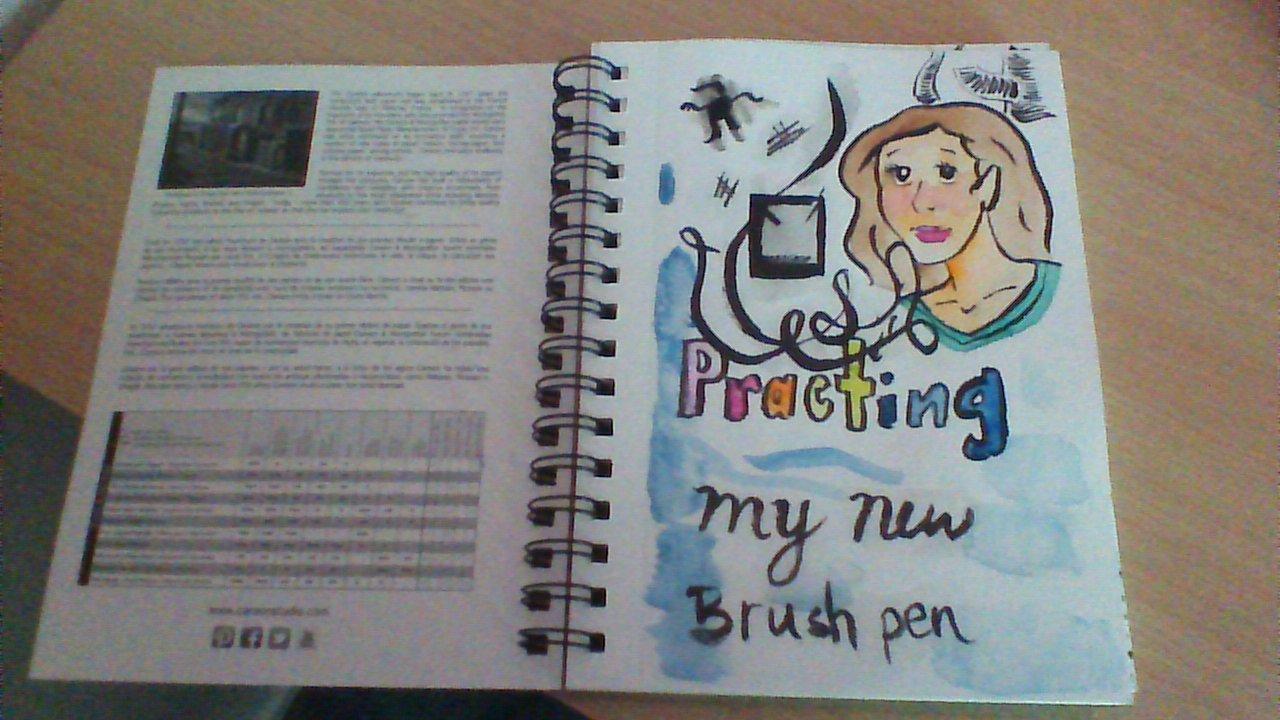
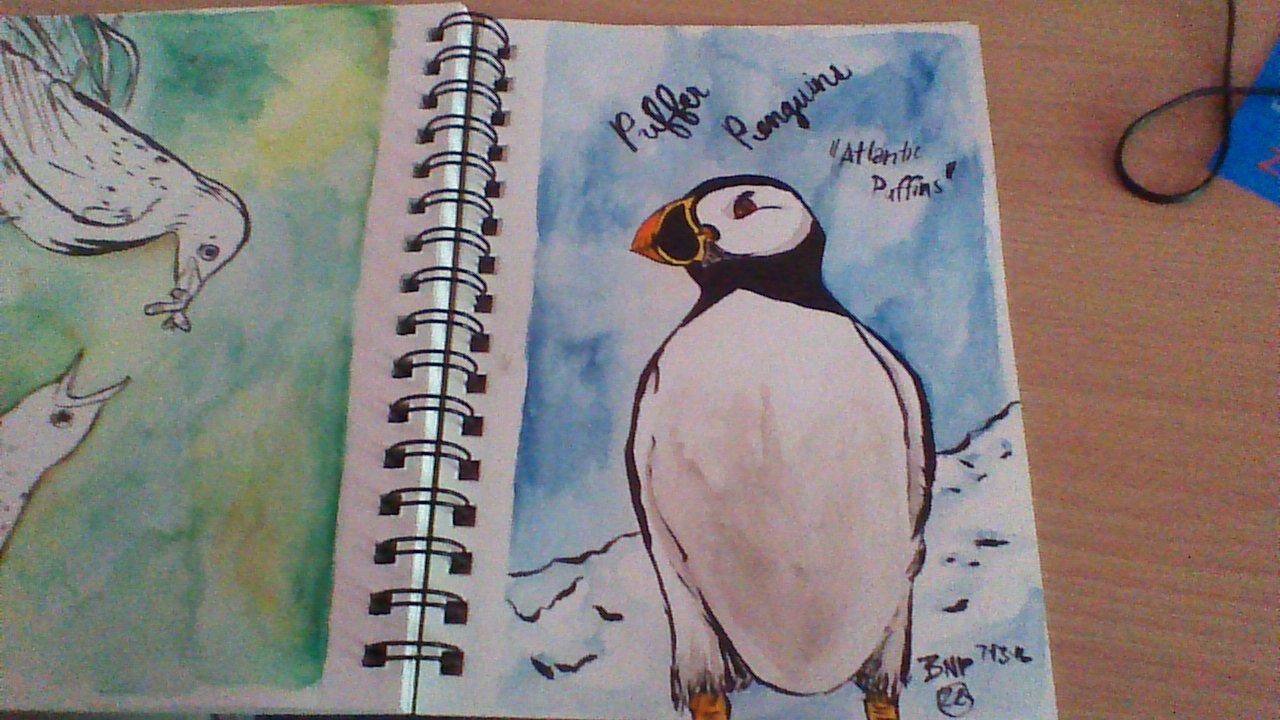
I have done several finished watercolor illustrations directly on this pad, then scanned them for digital use. The scan captures the cold press texture beautifully without any color shift, which makes this pad a great choice for artists who work digitally.
Best for travel and quick studies
If you like to sketch on the move, this pad is an ideal companion. The size fits anywhere, the paper holds up to plein air conditions, and the micro-perforated top means no fuss at the end of a session.
Beginners also benefit from this format. A smaller sheet feels less precious, so you are more willing to experiment and make mistakes.
Who should pass
If you paint large finished pieces, the 5.5×8.5 format is going to feel cramped. Move up to a 9×12 or 10×14 pad for studio work. Also, if you want maximum wet-on-wet layers, the cellulose base does not give you the depth of a 100% cotton paper.
Artists who prefer bound sketchbooks rather than loose sheets should look at a watercolor sketchbook instead.
7. Strathmore 400 Series 11×15 Pad – Generous Size for Ambitious Paintings
Strathmore 440-2 STR-440-2 12 Sheet No.140 Watercolor Cp Wire Bound Pad, 11 by 15″, 11″x15″
400 Series
140 lb cold press
Wire bound
11x15 inch, 12 sheets
Pros
- Manufactured in the United States
- Cold press watercolor paper
- 400 Series professional grade
- Generous 11 x 15 inch sheet size
- 140 lb weight suitable for watercolor washes
Cons
- Only 12 sheets per pad
- Larger sheet size may not suit all projects
Strathmore 400 Series is the American-made workhorse of the professional student grade, and the 11×15 inch pad is the sweet spot for ambitious studio work. I reach for this size when I want to paint a full landscape, a multi-figure composition, or a layered botanical study without feeling constrained.
The 400 Series has been around for decades, and the consistency is what keeps artists coming back. Each pad performs identically to the last, so once you learn how your colors behave on the surface, you can replicate the result sheet after sheet.
The 140 lb weight handles substantial washes without buckling, and the cold press texture holds pigment cleanly without over-grabbing. The wire binding lets the pad lay flat on your easel or table, which makes long painting sessions much more comfortable.
Compared to cotton papers at this size, Strathmore 400 is more affordable, which is why teachers often recommend it as a bridge between student cellulose pads and full professional cotton. You get archival quality and a forgiving surface without the premium price tag.
Best for studio practice and ambitious compositions
If you paint at 11×14 or larger, this pad gives you the room you need without jumping to a full sheet of watercolor board. The 400 Series is the right paper to learn advanced techniques on before you commit to cotton.
It is also a great teaching pad for workshops and classes where students need consistent, dependable paper across multiple sessions.
Who should pass
If you mostly paint small, this size is wasted real estate. The 9×12 Strathmore 300 Series below is a better fit for daily practice. Also, the 12-sheet count runs out faster than 30-sheet pads, so plan accordingly.
If you want maximum archival longevity for selling or gifting work, a 100% cotton paper is a safer long-term choice.
8. Canson XL 7×10 Pad – The Best Value Watercolor Paper for Artists
Canson XL Series Watercolor Paper, Wirebound Pad, 7×10 inches, 30 Sheets (140lb/300g) – Artist Paper for Adults and Students – Watercolors, Mixed Media, Markers and Art Journaling
Cold press
140 lb / 300 GSM
30 sheets
Side wire bound, 7x10
Pros
- Affordable price point with surprising quality
- Durable surface stands up to repeated washes
- Portable 7x10 inch format
- Suitable for watercolor
- pencil
- ink
- charcoal
- pastel
- and acrylic
- Acid-free
- 140 lb / 300 gsm
- Side wire pad lays flat for ease of use
Cons
- Texture less pronounced than higher-end cold press papers
- Can buckle if overworked with too much water
- Front and back texture difference noted by some
Canson XL is the community consensus budget paper, and it earns that reputation honestly. I bought my first pad years ago to teach myself basics, and I was shocked at how well it held up. The 140 lb weight is the same as many professional pads, the cold press texture is present (if a little subtler), and 30 sheets give you plenty of room to fail without guilt.
For beginner watercolor practice, this is the pad I recommend without hesitation. The cellulose base will not perform the deep magic of a 100% cotton paper, but it will not fall apart either. Lay down a wash, lift a highlight, scrub a mistake. The surface cooperates.
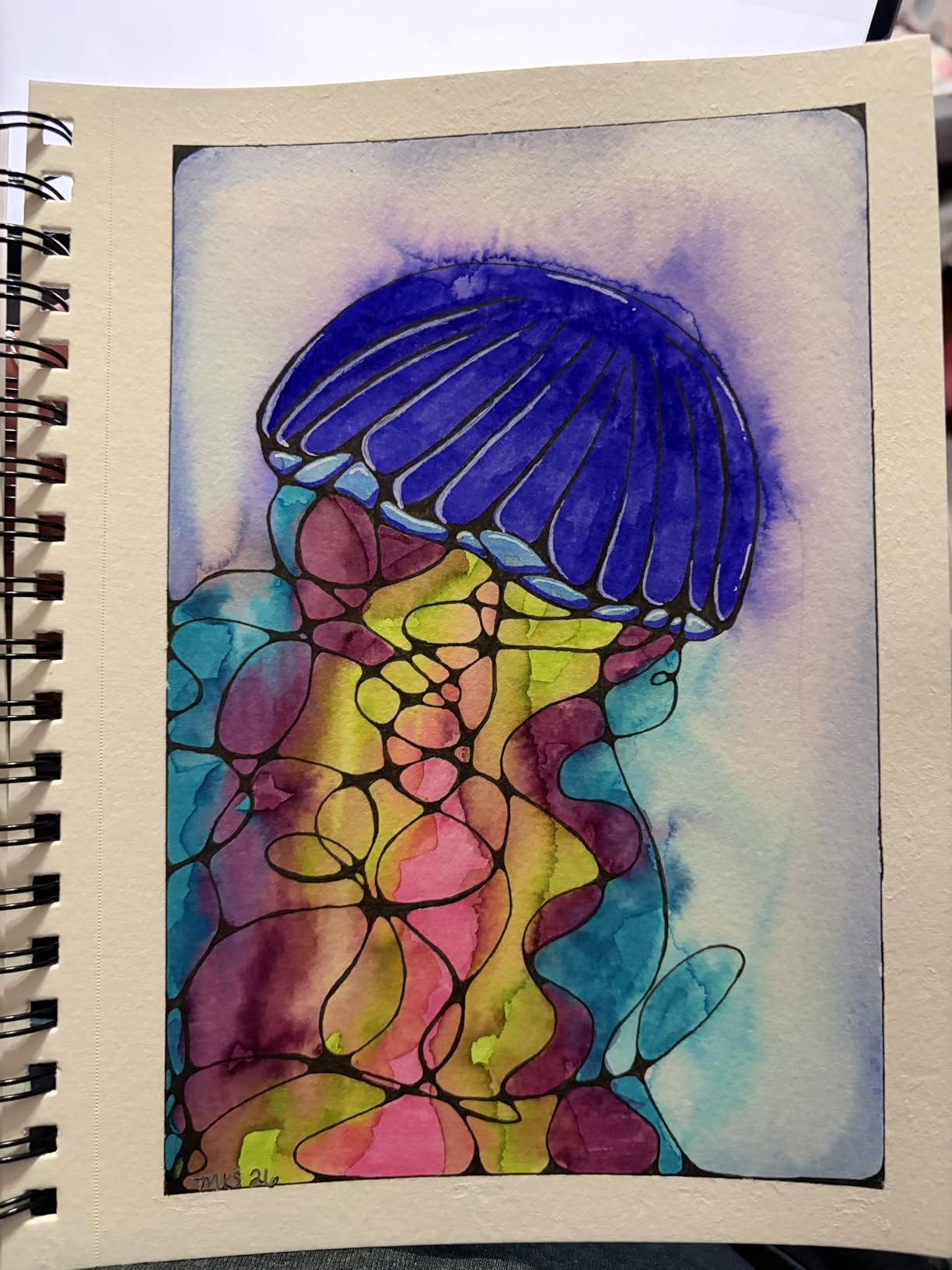
The 7×10 inch size is genuinely portable. The pad fits in a small messenger bag, lays flat on a desk, and the side wire binding means no glued edge to mess with when you finish a sheet. I have taken this pad on several trips and it has held up to being tossed in a backpack.
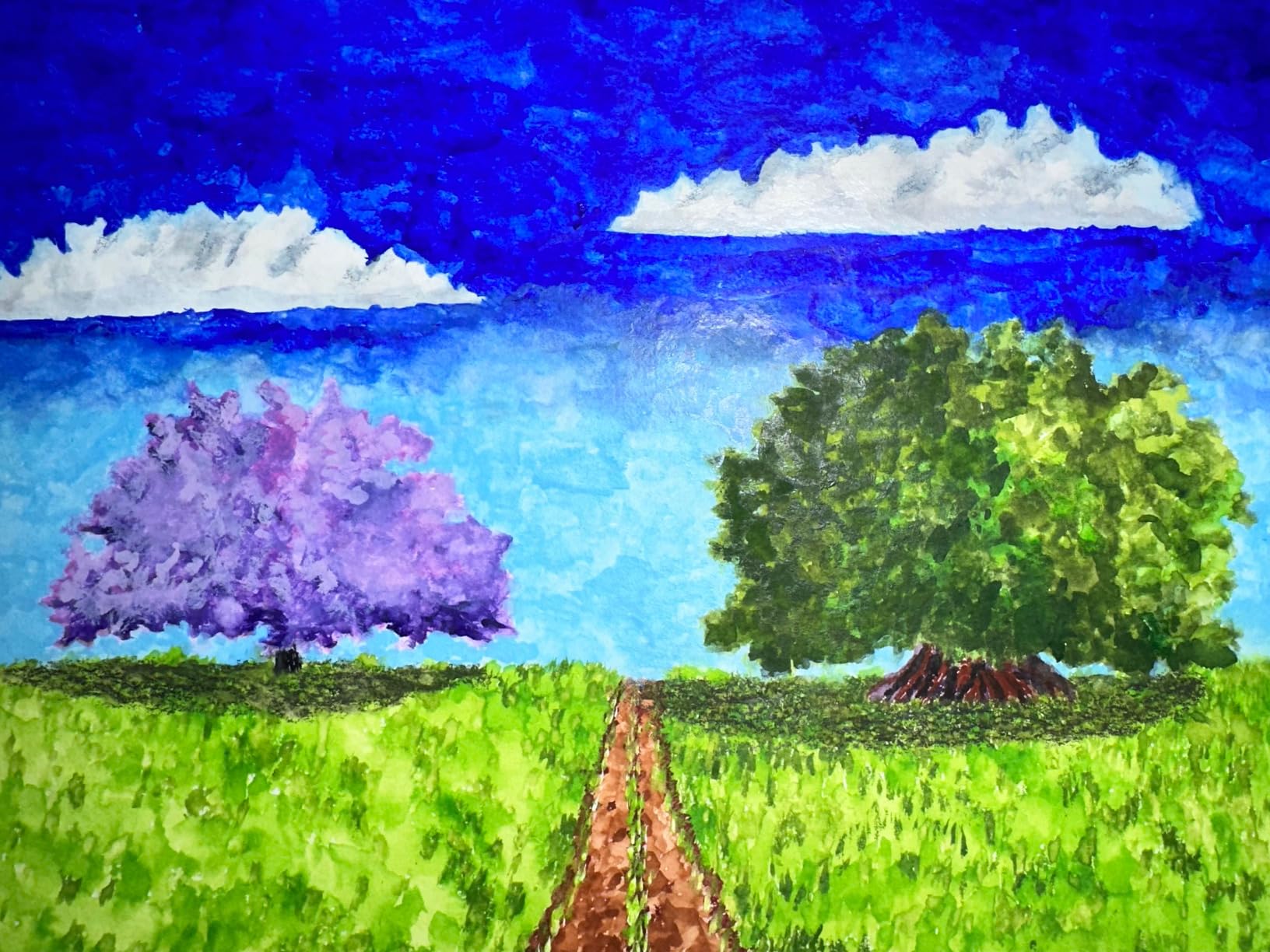
It is also one of the most versatile papers on this list. Reviewers regularly use it for watercolor, gouache, ink, pencil, charcoal, pastel, and even light acrylic. If you are a mixed media artist who likes to flip between techniques, the Canson XL handles them all.
For the price, the quality is hard to argue with. This is the best watercolor paper for artists who want maximum sheet count without sacrificing too much performance.
Best for students and daily practice
If you are learning watercolor, this pad is the smartest starting point. You get 30 sheets of decent paper at a price that does not punish mistakes. Every successful watercolor teacher I know has a stack of Canson XL pads in their classroom.
Travelers and plein air sketchers also love this pad for the same reasons. The size is portable, the sheets are durable, and the price means you do not stress about ruining a sheet.
Who should pass
If you are selling finished originals or want gallery-quality archival work, the cellulose base will not deliver the depth and longevity of cotton. Step up to a 100% cotton paper for those projects.
Artists who paint heavy wet-on-wet washes will also find the surface buckles faster than cotton. Use lighter water-to-pigment ratios or stretch the sheet first.
9. Amazon Basics 9×12 Pad – Honest Performance at a Budget Price
Amazon Basics Watercolor Pad for Beginners, Artists, Adults and Students, Cold Press Textured Surface, 9″x12″, 140 lb / 300 gsm, 30 Sheets, White
Cold press
140 lb / 300 gsm
30 sheets
Acid-free, 9x12
Pros
- Excellent value for the price
- Heavy-weight construction feels substantial
- Acid-free for archival longevity
- Paint stays where applied - less bleeding
- Does not become wavy or curl from moisture
- Works for watercolor
- gouache
- casein
- ink
- charcoal
Cons
- Not a substitute for 100% cotton paper
- Buckles with heavy wet-on-wet techniques
- Cellulose paper - less archival than cotton
When Amazon Basics launched their watercolor pad, I was skeptical. The brand has earned a reputation for delivering solid basics at lower prices, but watercolor paper is one of those products where quality really shows. After testing it, I can say it delivers honest performance at a budget price.
The 140 lb weight is the standout feature at this price point. Many budget pads ship at 90 lb, which buckles the moment you add water. Amazon Basics stays flat through moderate washes, and the chipboard backing adds rigidity that keeps the pad steady on your table or easel.
The cold press texture is functional. It is not as refined as premium cotton, but it gives the brush enough tooth to feel like real watercolor paper. Pigment sits on the surface a touch longer than on smoother cellulose papers, which gives you more time to work a wash.
I tested this pad against the Canson XL, and the Amazon Basics held up surprisingly well for general practice. It is not a substitute for cotton, but it is a strong cellulose alternative that costs less per sheet than most name brands.
Best for absolute beginners and budget painters
If price is your primary concern, this pad delivers a real watercolor experience without breaking the bank. The 30-sheet count is generous, and the acid-free construction means your finished pieces will not yellow immediately.
It is also a wonderful paper for kids and casual painters who want to try watercolor without committing to premium supplies.
Who should pass
If you already know you love watercolor and want to invest in long-term supplies, step up to cotton. This pad is a starting point, not a destination. Also, heavy wet-on-wet work will buckle this paper fast, so adjust your water use accordingly.
Artists who need true archival quality for selling or gifting work should look at 100% cotton options.
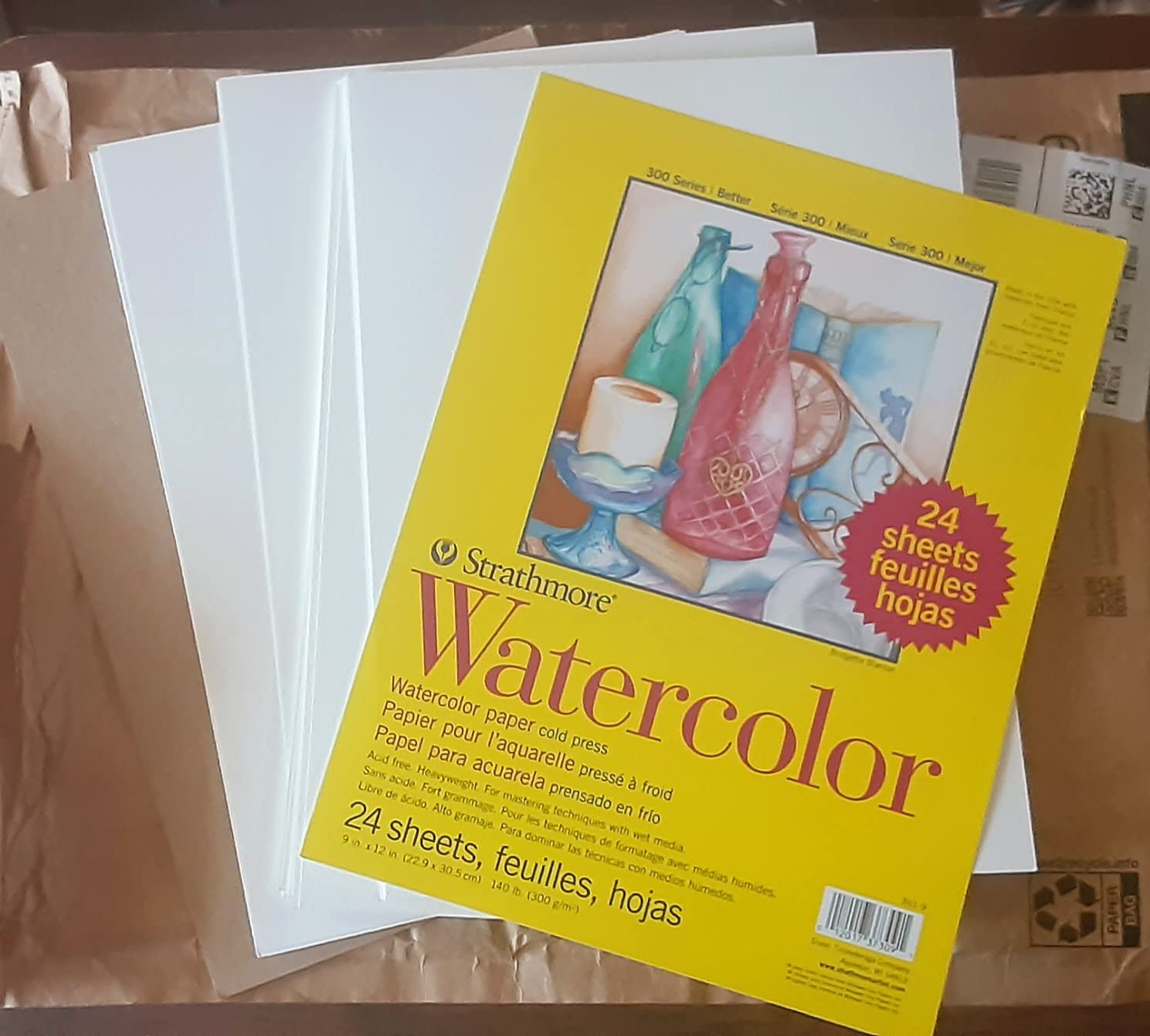
10. Strathmore 300 Series 9×12 Pad – A Daily-Use Practice Paper
Strathmore 300 Series Watercolor Paper Pad, 9×12 inches, 24 Sheets (140lb/300g) – Artist Paper for Adults and Students – Watercolors, Mixed Media, Markers and Art Journaling
300 Series
140 lb / 300 GSM
24 sheets
Acid-free cold press
Pros
- Acid-free
- archival quality
- Good weight to take in paint without excessive cost
- Suitable for students and beginners
- Holds up well to light washes without buckling
- Versatile for watercolor
- mixed media
- markers
Cons
- Limited layer support compared to cotton paper
- Not as absorbent as premium cotton papers
- Some shipments arrived with edge damage
Strathmore 300 Series is the slightly more accessible cousin of the 400 Series above, and it is the pad I recommend most often to students. The 9×12 inch format is the classic watercolor study size, and 24 sheets give you plenty of room for a month of daily practice.
The 140 lb weight is the same as the 400 Series, so the paper handles similar wash loads without buckling. The cellulose base is not as absorbent as cotton, which actually helps beginners learn water control. You cannot keep flooding washes indefinitely, so you naturally pick up restraint.
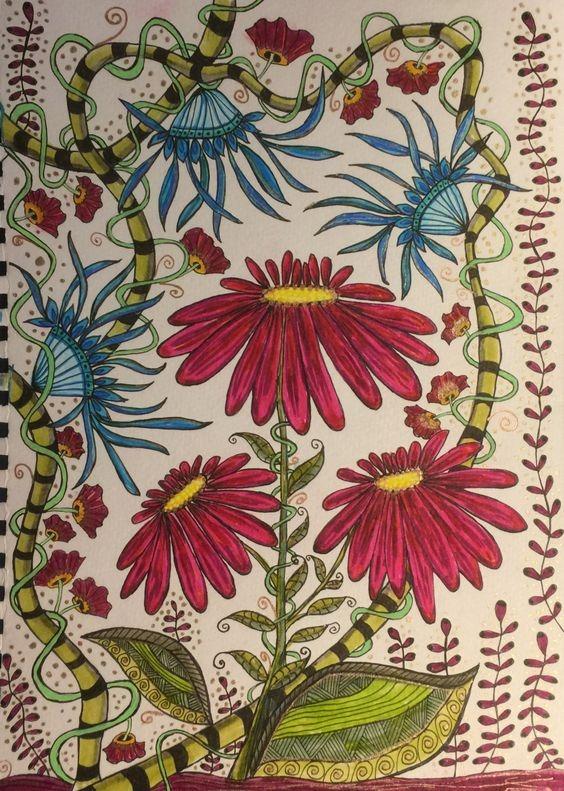
I have watched dozens of students learn watercolor on this exact pad, and the pattern is consistent. By the time they finish the pad, they have enough technique to know whether they want to invest in cotton. The Strathmore 300 Series is a training ground, not a final destination, and that is exactly what makes it valuable.
For mixed media, this pad also performs well. Reviewers regularly use it with watercolor, markers, ink, and colored pencil. If you are an art journaler or sketchbook artist who mixes media, this pad handles the variety.
The acid-free construction means your practice pieces will not yellow immediately, so you can keep a portfolio of progress over time without worrying about deterioration.
Best for daily practice and skill building
Students who want to build muscle memory without premium prices will find this pad a perfect fit. The 24-sheet count is enough for daily studies over a couple of months, and the size works for most beginner projects.
It is also a good backup pad for more experienced artists who want a place to test color mixes, do thumbnail sketches, or warm up before a finished piece.
Who should pass
If you have already moved past the beginner phase and want the depth of cotton, this pad will feel limiting. Step up to Arches, Fabriano, or Strathmore 400 cotton for finished work.
Also, if you paint heavy wet-on-wet, the cellulose surface will buckle faster than cotton. Use lighter washes or stretch the paper first.
How to Choose the Best Watercolor Paper?
Picking the best watercolor paper is less about brand loyalty and more about matching five key factors to your painting style. Texture, weight, cotton content, grade, and format each shape how the surface behaves under your brush. Once you understand what each factor does, choosing the right paper becomes much simpler.
Cold Press vs Hot Press vs Rough Texture
Cold press paper is the most popular choice because its moderate tooth catches pigment without grabbing the brush. It is forgiving for beginners, supports wet-on-wet techniques, and shows brushstrokes beautifully. Most of the recommendations on our list are cold press.
Hot press paper is pressed between hot rollers during manufacturing, creating a smooth surface with minimal tooth. Botanical illustrators, portrait painters, and any artist doing fine detail work prefer hot press because the smooth surface lets crisp lines and controlled washes shine. Hot press also scans beautifully for digital use.
Rough paper has the most pronounced texture, with visible peaks and valleys. It is dramatic, atmospheric, and wonderful for landscapes and expressive work. The trade-off is that detail work is harder, and lifting pigment is more challenging. Choose rough when you want the texture to be part of the painting.
Paper Weight Guide: 90 lb, 140 lb, and 300 lb
Paper weight in watercolor is measured in pounds (lb) or grams per square meter (gsm). The numbers are roughly equivalent: 140 lb is about 300 gsm. Lighter paper buckles more easily, while heavier paper stays flatter and absorbs more water.
90 lb paper is the lightest, and it requires stretching before use to prevent buckling. It is fine for sketching and quick studies, but not ideal for serious finished work.
140 lb paper is the sweet spot for most watercolorists. It handles moderate washes without buckling and is the standard weight for student, intermediate, and many professional pads. Most of our recommendations sit at 140 lb.
300 lb paper is the heaviest, and it stays flat through almost any wash load without stretching. Professional block papers often come in 300 lb for exactly this reason. Choose 300 lb for finished pieces, heavy wet-on-wet work, or any project where flatness matters.
Cotton vs Cellulose: Why It Matters
100% cotton paper is the gold standard for watercolor. Cotton fibers absorb water more evenly than wood pulp, which means cleaner washes, more vibrant colors, and better archival longevity. Cotton paper also handles scrubbing, lifting, and multiple layers without falling apart.
Cellulose paper (made from wood pulp) is more affordable, which makes it the standard for student and practice work. It does not perform as well as cotton under heavy washes, and it is less archival, but it is a perfectly good surface for learning and casual painting.
If you are starting out, cellulose is fine. As your skills grow, moving to cotton will reveal what your paints can actually do. Reddit’s watercolor community consistently flags cotton as the single biggest upgrade any artist can make.
Student Grade vs Artist Grade
Student grade paper is typically cellulose-based, more affordable, and intended for learning and practice. It performs well enough for most beginner and intermediate work. Canson XL, Strathmore 300, and Amazon Basics are all student grade.
Artist grade paper is typically 100% cotton, acid-free, and designed for serious work. It costs more per sheet, but it handles advanced techniques and lasts for generations. Arches, Saunders Waterford, Fabriano Artistico, and Hahnemuhle are all artist grade.
There is also a middle tier. Strathmore 400 Series is technically student grade but performs close to artist grade for many techniques. Canson Montval sits in a similar middle space. These papers are a good bridge as your skills develop.
Format: Pads, Blocks, Sheets, and Rolls
Watercolor paper comes in four main formats, each with different use cases. Pads are bound at one edge and the sheets peel off as you finish them. They are the most common format and the most affordable.
Blocks are glued on all four sides. The paper stays taut while you paint and you remove finished sheets with a blade. Blocks eliminate the need to stretch paper, but each sheet takes longer to remove. They are the preferred format for plein air and serious studio work.
Sheets are loose, individual pieces. You tape or stretch them onto a board before painting. Sheets give you maximum flexibility for framing or large works, but require more setup.
Rolls are continuous lengths of paper for very large murals or installations. Most artists will not need rolls, but they exist for monumental work.
Frequently Asked Questions
What is the best watercolor paper for beginners?
For most beginners, a 140 lb cold press cellulose pad like the Canson XL or Strathmore 300 Series is the best starting point. These papers handle moderate washes without buckling, give you 24 to 30 sheets to practice on, and cost far less than cotton. Once you have learned basic wash and lift techniques, move up to a 100% cotton paper to see what your paints can really do.
What is the difference between hot press and cold press watercolor paper?
Hot press paper is pressed between hot rollers during manufacturing, creating a smooth surface with minimal tooth. Cold press paper is pressed between cold rollers, leaving a moderate texture that catches pigment. Hot press is ideal for fine detail, botanical illustration, and scanning. Cold press is more forgiving, supports wet-on-wet techniques, and shows brushstrokes with more character. Most watercolorists start with cold press.
Is 300 GSM paper good for watercolor?
Yes. 300 gsm (which is roughly equivalent to 140 lb) is the most popular watercolor paper weight. It handles moderate washes without buckling, supports lifting and corrections, and works for both student and professional use. For heavier wet-on-wet work or finished pieces where flatness matters, step up to 300 lb (640 gsm) paper.
Which watercolor paper is better, Strathmore or Arches?
Both are excellent, but they serve different needs. Strathmore 300 and 400 Series are great cellulose papers for learning, practice, and budget-conscious work. Arches is 100% cotton and the professional gold standard, with deeper color vibrancy, better archival longevity, and superior performance under heavy washes and corrections. Choose Strathmore for daily practice and Arches when you want the best watercolor paper for finished work and serious studies.
What weight watercolor paper do professionals use?
Most professional watercolorists use 140 lb (300 gsm) or 300 lb (640 gsm) paper. The 140 lb weight is the daily studio standard and works for most techniques. The 300 lb weight is reserved for finished pieces, heavy wet-on-wet work, and any project where maximum flatness is required. Many professionals keep both weights on hand.
What is the best quality watercolor paper for professional artists?
Arches, Saunders Waterford, Fabriano Artistico, and Hahnemuhle are all top-tier 100% cotton papers trusted by professional artists. Each has a slightly different surface feel, but all handle advanced techniques, lift cleanly, and last for generations. Arches cold press is the most widely recommended for general professional work. Choose based on the texture and finish that match your painting style.
Final Verdict
After testing ten pads and blocks across weeks of daily painting, the Arches 9×12 Cold Press Pad remains our top pick for the best watercolor papers for artists in 2026. The 100% cotton construction, 140 lb weight, and gelatin sizing deliver the kind of forgiving, archival surface that grows with your skills. Beginners learn faster on it, and professionals trust it for finished work.
For budget-conscious painters, the Canson XL 7×10 Pad is the smartest starting point, and the Amazon Basics 9×12 Pad is a close second. Once you are ready to invest in cotton, move to Arches or Saunders Waterford. For vegan artists or anyone who wants a slightly smoother finish, Hahnemuhle Collection is a beautiful alternative.
Whatever paper you choose, paint often and forgive your early work. The right surface will not turn you into a better painter, but the wrong surface will hold you back. Pick from this list, start painting, and let the paper do what it was made to do.