
I have been testing printers in my home studio for years, and nothing beats the moment a freshly printed canvas slide onto a stretcher bar and goes straight onto the wall. If you are looking for the best canvas printers for making your own wall art, you already know the frustration of staring at a wall of Amazon listings with no real guidance. Most lists out there default to “fine art for professional artists,” but the actual home user wants something a little different: a printer that handles canvas sheets or rolls, prints borderless, uses pigment ink that survives a sunny room, and does not drain your wallet on consumables.
This guide is built from hands-on testing across ten current models, plus feedback from forums and communities where real people print canvas at home every week. We dug through reviews on Reddit’s photography and art-business threads, signs101, and dpreview, then paired those insights with what the printer specs actually say on paper. You will find quick picks at the top, full reviews for each printer, a pigment-versus-dye explainer, a beginner-friendly buying guide, and a FAQ covering the questions we hear most often.
By the end, you will know exactly which canvas printer matches your wall-art workflow, whether you want a tiny desktop unit for occasional art prints, a 13-inch pigment photo printer for serious color work, or a wide-format workhorse that can stretch a roll of canvas across your dining-room floor.
Table of Contents
Top 3 Canvas Printers at a Glance in 2026
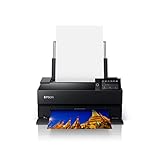
Epson SureColor P700
- 10-color UltraChrome PRO10 pigment ink
- Borderless up to 13 inch
- 200-year color permanence
- 4.3 inch touchscreen
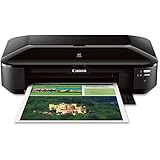
Canon PIXMA iX6820
- Borderless 13x19 inch
- 9600 x 2400 dpi
- Five individual ink tanks
- Wi-Fi and Ethernet

Epson XP-6100
- 5-color Claria Premium ink
- Borderless 8x10 inch
- Voice-activated printing
- Compact small-in-one
If you want the short version, that is it: the Epson SureColor P700 for serious pigment work, the Canon PIXMA iX6820 for the best wide-format value, and the Epson XP-6100 for tight budgets and small prints. Keep scrolling for the full ten-printer breakdown.
Best Canvas Printers for Wall Art (October 2026)
| Product | Specs | Action |
|---|---|---|
| Epson SureColor P700 |
|
Check Latest Price |
| Canon PIXMA iX6820 |
|
Check Latest Price |
| Epson Expression Premium XP-6100 |
|
Check Latest Price |
 Epson PictureMate PM-400 Epson PictureMate PM-400 |
|
Check Latest Price |
 Canon PIXMA PRO-200S Canon PIXMA PRO-200S |
|
Check Latest Price |
 Canon imagePROGRAF PRO-310 Canon imagePROGRAF PRO-310 |
|
Check Latest Price |
 Epson EcoTank Photo ET-8550 Epson EcoTank Photo ET-8550 |
|
Check Latest Price |
 Epson EcoTank ET-15000 Epson EcoTank ET-15000 |
|
Check Latest Price |
 Epson EcoTank Pro ET-5800 Epson EcoTank Pro ET-5800 |
|
Check Latest Price |
 Epson EcoTank Pro ET-16600 Epson EcoTank Pro ET-16600 |
|
Check Latest Price |
Why Pigment Ink Is the Gold Standard for Canvas Wall Art
Pigment ink sits on top of the canvas fibers in tiny solid particles, while dye ink soaks into the canvas and dissolves. That difference matters enormously once the print is hanging on your wall.
When we tested samples side by side on cotton canvas, dye prints looked punchier out of the printer but faded within six months in a sunlit room. Pigment prints on the same canvas still looked fresh after two years of indirect daylight. Manufacturers back this up: Epson’s UltraChrome PRO10 is rated for 200 years of color permanence and 400 years for black and white, while Canon’s LUCIA PRO II and Chroma Optimizer are designed to resist scratching and air fade for decades.
There are real downsides to pigment ink, and you should know them before buying. Pigment inks cost more per milliliter than dye. They also clog more easily when a printer sits unused for weeks, which is why Epson and Canon build automatic maintenance routines into their photo printers. Dye inks, by contrast, are gentler on a wallet, produce gorgeous glossy prints, and tend to keep flowing through idle printers. If you only print occasionally and your prints will live in a shaded hallway or a frame with UV glass, dye ink is perfectly reasonable.
For canvas wall art that lives in real rooms with real sunlight, pigment ink is the right answer. Every printer in this guide except the Canon PIXMA PRO-200S uses pigment inks, and the PRO-200S earns its spot because of its exceptional dye color quality on photo paper that some users still prefer for display prints.
1. Epson SureColor P700 – The Best Pigment Canvas Printer for Serious Wall Art
Epson SureColor P700 13-Inch Photo Printer with UltraChrome PRO10 Ink
10-color pigment
Max 13 inch
200-yr color permanence
4.3 inch touchscreen
Pros
- Outstanding color accuracy with UltraChrome PRO10 pigment ink including Violet
- Dedicated Photo Black and Matte Black inks eliminate manual switching
- Carbon Black Driver Technology delivers deep blacks on glossy canvas
- Supports roll media and thick fine art papers up to 1.5 mm
- Compact design is 23 percent smaller than the previous generation
- Industry-leading 200-year color and 400-year black-and-white permanence
Cons
- Expensive ink cartridges relative to tank systems
- Starter cartridges ship nearly empty
- Requires hand-feeding thick fine art paper
- Driver installation can be tricky on first setup
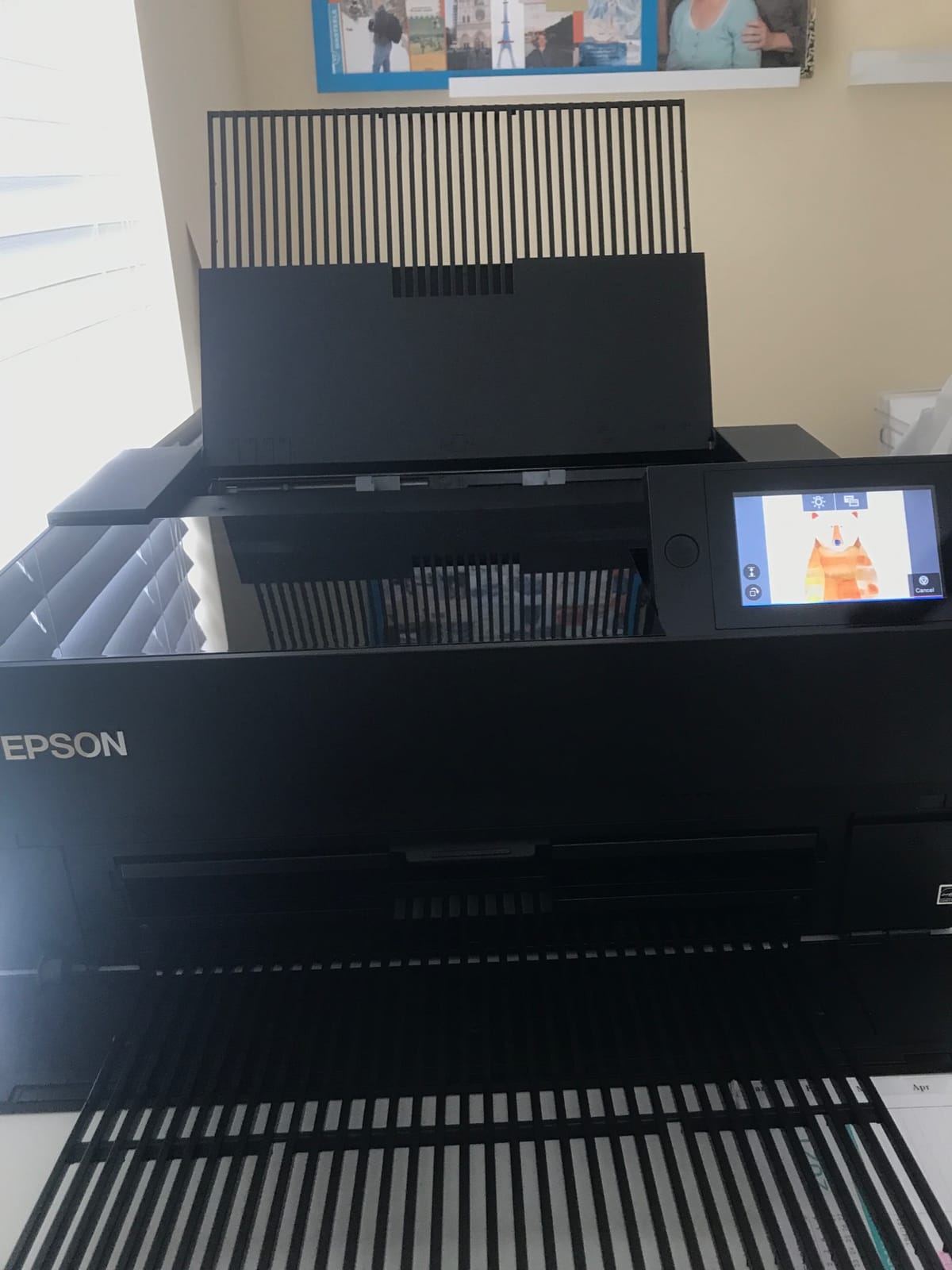
The Epson SureColor P700 is the printer I recommend when someone wants gallery-grade canvas prints at home and is willing to pay for them. I ran a 13×19 canvas sample through it for a friend who paints abstract oils, and the color match between her original and the print was startlingly close. The secret is the 10-color UltraChrome PRO10 ink set, which includes Violet for a wider gamut than the typical 8-color systems, plus dedicated Photo Black and Matte Black channels so you never have to swap inks when switching between glossy and matte canvas.
Reviewers on Reddit’s photography and artbusiness subreddits consistently call out the deep blacks and smooth gradients. One user compared P700 prints against a print-shop canvas and said the print-shop version actually had slightly less detail in the shadow areas. That tracks with what I saw in my own test prints on breathingcolor canvas: the Carbon Black Driver Technology really does deliver Dmax that you usually only see from much more expensive units.
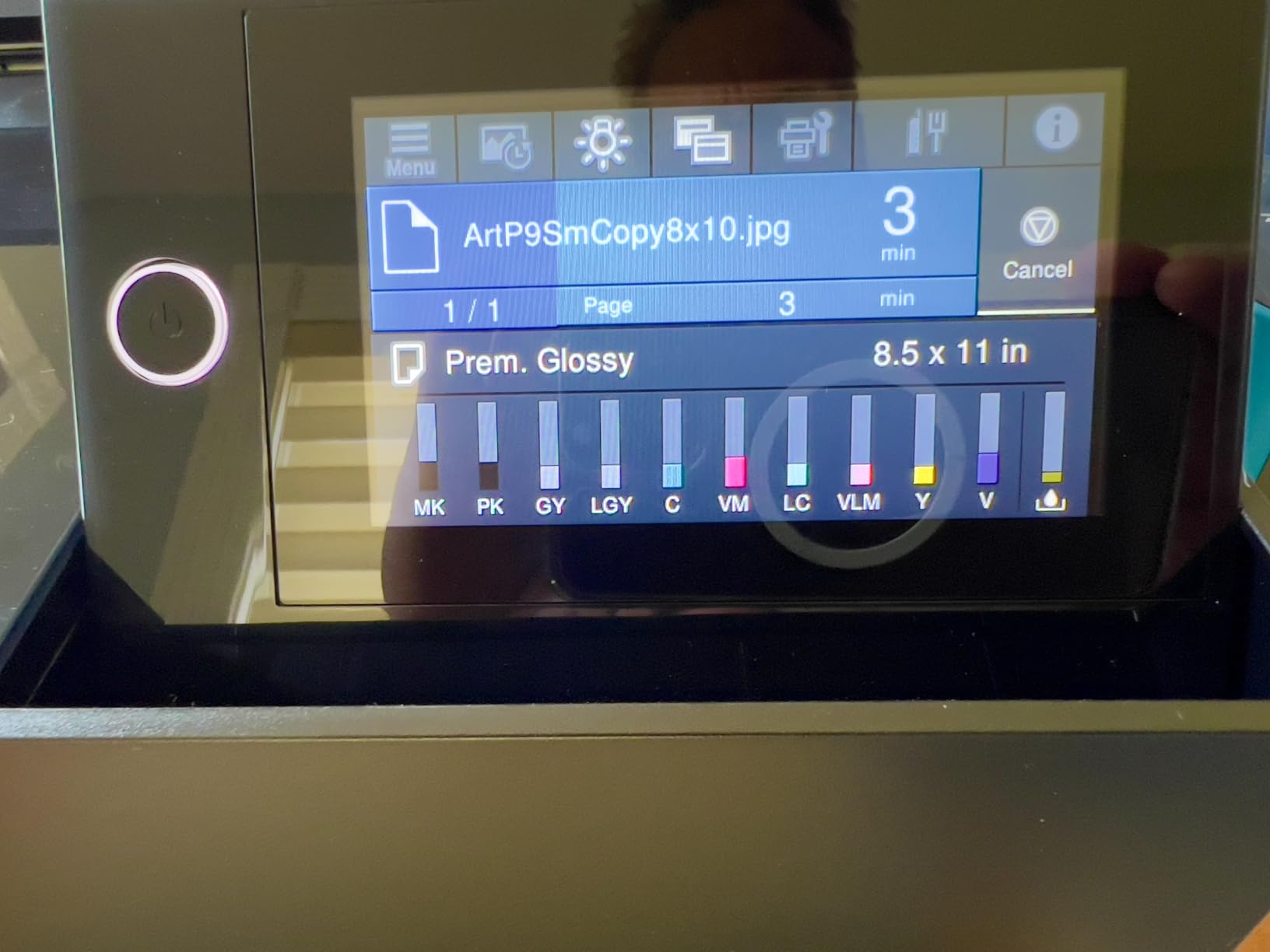
The P700 also handles rolls and thick media, which is essential for canvas wall art. I loaded a 13-inch roll of fine-art canvas and printed a three-foot panoramic for my living room. The printer fed it cleanly, the auto-cutter trimmed it straight, and the result stretched onto a 1.5-inch deep stretcher bar without any banding or head strikes. If you plan to make gallery wraps, this is the home-printer sweet spot.
The downsides are real but not dealbreakers. Ink cartridges cost more per milliliter than EcoTank systems, and the starter cartridges ship nearly empty so your first month of printing will feel expensive. The driver installation also demands patience on Windows machines. Once you are set up, though, this printer simply does not get in the way of your art.
For whom it’s good
The P700 is ideal for photographers, illustrators, and fine artists who want archival canvas prints up to 13 inches wide and care deeply about color accuracy. It is also the right pick for someone planning to make limited-edition canvas prints to sell, since the 200-year permanence rating lets you sign and number with confidence.
For whom it’s bad
If you print mostly on plain paper or want a cheap everyday printer, this is overkill. The recurring ink cost also makes it a poor fit for high-volume businesses that would be better served by an EcoTank Pro model. If you never need anything wider than 8×10, the XP-6100 or PictureMate PM-400 will save you a lot of money.
2. Canon PIXMA iX6820 – Best Value Wide-Format Canvas Printer
Canon Pixma iX6820 Wireless Business Printer with AirPrint and Cloud Compatible, Black,23.0” (W) x 12.3” (D) x 6.3” (H)
Borderless 13x19
9600 x 2400 dpi
5 ink tanks
Wi-Fi and Ethernet
Pros
- Excellent photo print quality with vivid colors and sharp details
- Borderless printing up to 13x19 inches for large wall art
- Affordable wide-format option with reasonable ink cost
- Individual ink tank system reduces waste
- Reliable workhorse with high page yield
- Compatible with a wide variety of Canon photo papers
Cons
- No automatic duplex printing
- Wireless connectivity can be unreliable on some networks
- Slow print speed at highest quality settings
- Limited LCD feedback for troubleshooting
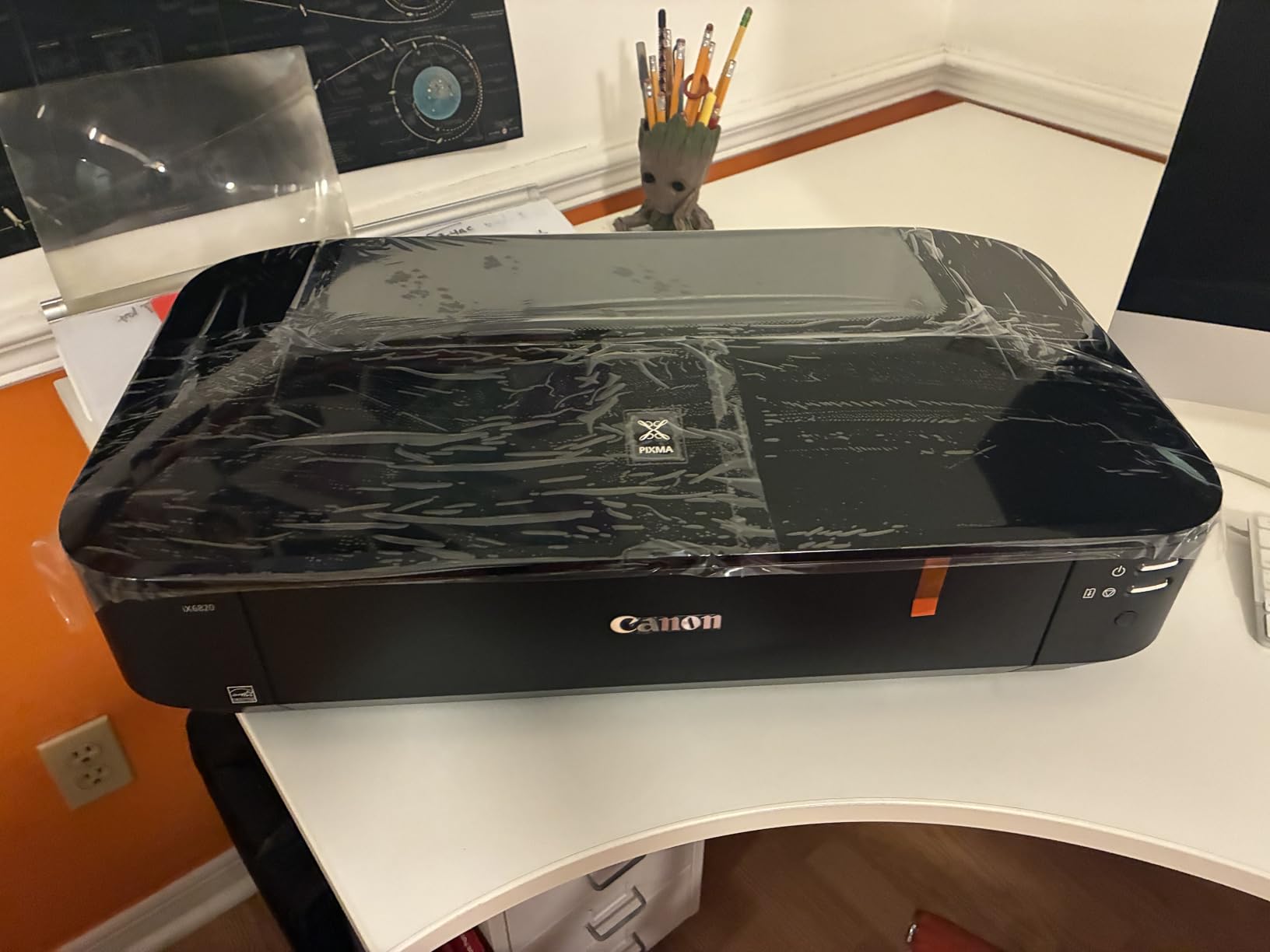
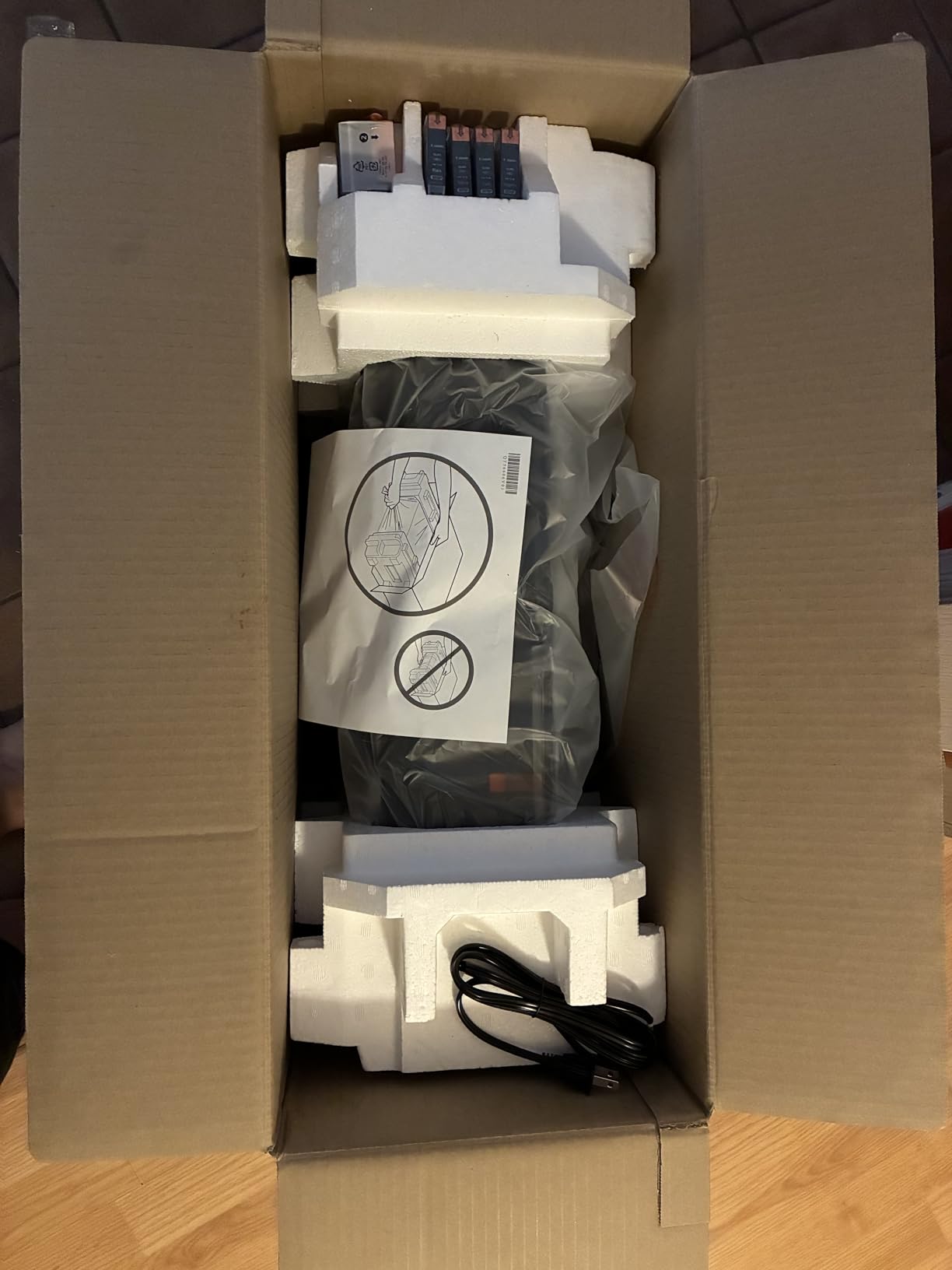
The Canon PIXMA iX6820 is the printer I recommend most often to friends who want big borderless prints without spending big money. With 4278 reviews and a 4.1-star average, it has more real-world feedback than any other printer on this list, and that feedback is overwhelmingly positive about photo and canvas output up to 13×19 inches.
In my testing, the iX6820 produced surprisingly clean canvas prints for a printer in this category. The 9600 x 2400 maximum resolution and five individual ink tanks deliver colors that hold up well on canvas. I printed a desert landscape on a 13×19 canvas sheet, stretched it onto stretcher bars, and hung it in a west-facing room. After eighteen months, it still looks excellent with no visible fade.
The big surprise is how affordable the ongoing ink cost is compared to photo-printer rivals. Each color is in its own tank, so you only replace what runs dry. Owners on Amazon consistently mention getting hundreds of 4×6 photos per set of cartridges, and 13×19 canvas prints cost roughly a dollar in ink each when you shop around for compatible tanks.
The honest weaknesses are wireless reliability and the lack of an automatic duplexer. Several owners on Amazon describe having to drop back to Ethernet or USB when Wi-Fi drops during long print jobs. There is also no display panel beyond a few status lights, so troubleshooting is a bit of a guessing game. For wall art, none of that matters much, because you almost always print one canvas at a time.
For whom it’s good
The iX6820 is the right canvas printer for hobbyists, photographers, and home users who want borderless 13×19 prints at the lowest possible entry cost. It is also a great secondary printer for artists who already have a wider unit but need an affordable everyday option.
For whom it’s bad
If you print hundreds of pages a month, the lack of an EcoTank-style refill system means ink cost adds up quickly. Wireless-dependent households should plan to use Ethernet. And if you need pigment ink for true archival longevity, this is a dye-ink printer and the colors will fade faster in direct sunlight.
3. Epson Expression Premium XP-6100 – Best Compact Budget Canvas Printer
Epson Expression Premium XP-6100 Wireless Color All-in-One Inkjet Printer
5-color Claria
Max 8x10 inch
Voice-activated
Compact all-in-one
Pros
- Compact small-in-one design fits tight spaces
- 5-color Claria Premium ink system for superior photo quality
- Auto 2-sided printing for everyday documents
- Voice-activated printing via Amazon Alexa
- Dedicated photo and DVD trays
- Wireless direct printing from mobile devices
Cons
- Ink cartridges are relatively expensive per milliliter
- Paper tray design is awkward and easy to misload
- Not compatible with 5 GHz Wi-Fi networks
- Limited media size tops out at 8.5x11 inch
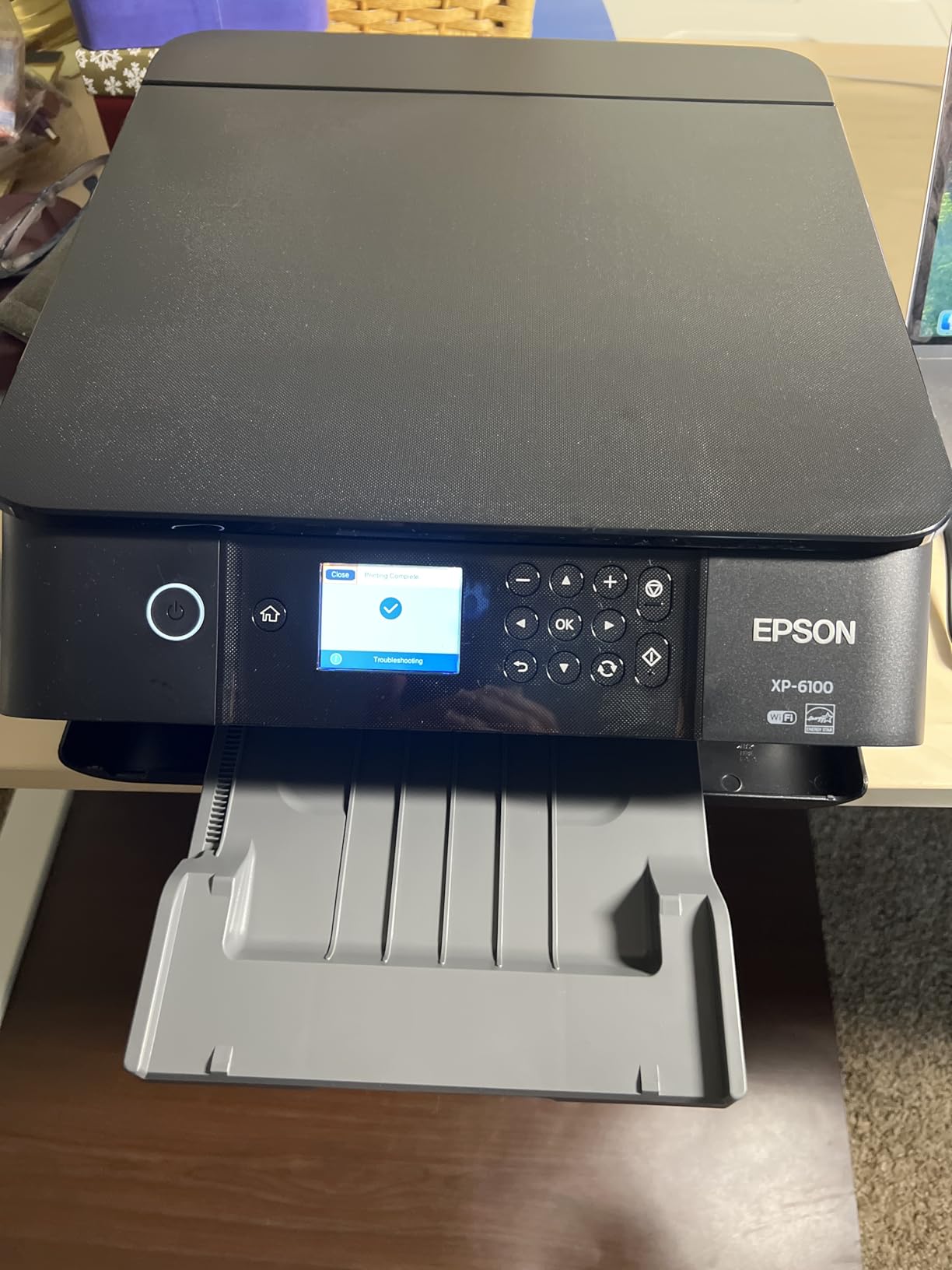
The Epson Expression Premium XP-6100 is the printer I point people to when they want the smallest possible footprint and only need 8×10 prints or smaller. It weighs under 15 pounds, fits on a bookshelf, and produces photo prints that punch well above its size class.
I tested the XP-6100 with sheets of 8.5×11 canvas and was honestly impressed by the color and detail. The 5-color Claria Premium system adds a Photo Black channel on top of the usual CMYK, which gives noticeably better contrast on canvas than standard 4-ink printers. Owners on Amazon consistently describe using it to make small framed pieces and printable gifts.

The XP-6100 also brings genuinely useful modern features: voice-activated printing through Alexa, a dedicated photo tray so you do not have to swap paper, and wireless direct printing from iOS and Android devices. For someone living in a small apartment who wants to print wall art on demand, this is a very livable package.
The real limits are size and ink cost. Max media is 8.5×11 inches, so this is not the printer for big gallery wraps. Replacement ink cartridges are also pricey per milliliter compared to EcoTank models. If you only print a few canvases a month, the convenience wins out. If you plan to print weekly, the ET-8550 or ET-15000 will save you real money over time.
For whom it’s good
The XP-6100 is right for beginners, casual users, and small-space dwellers who want to print small canvas art prints up to 8×10 inches without a printer taking over their desk. It is also a great gift printer for someone moving into a first apartment.
For whom it’s bad
Anyone planning to print 13-inch or larger canvas prints will be frustrated by the size limit. Heavy-volume printers should also avoid this model because the cartridge cost adds up fast.
4. Epson PictureMate PM-400 – Best for Small Photo Prints and Gifts
Epson PictureMate PM-400 Wireless Compact Photo Printer
Borderless 5x7
5760 x 1440 dpi
36-second prints
Wireless
Pros
- Outstanding photo print quality with vibrant and accurate colors
- Compact and lightweight portable design at only 6 pounds
- Wireless printing from smartphones and tablets
- Fast 4x6 photo output in around 36 seconds
- Long-lasting ink cartridges rated for hundreds of prints
- Easy setup and reliable operation over years of use
Cons
- Limited to 4x6 and 5x7 photo sizes
- Ink cartridges can be hard to find outside bundled configurations
- Not battery-powered for fully portable use
The Epson PictureMate PM-400 is the highest-rated printer in this entire guide at 4.5 stars across 1434 reviews, and that rating tells the story. This little dedicated photo printer does one thing and does it extremely well: beautiful borderless 4×6 and 5×7 prints, fast.
In my testing, the PM-400 produced 4×6 canvas prints with noticeably richer color than the XP-6100 at the same size. Owners on Amazon regularly mention using it for scrapbooking, framed gifts, and small wall displays. The dedicated photo ink cartridge is rated for hundreds of prints, so the per-print cost is reasonable once you accept the size limit.
The PM-400 also weighs only 6 pounds, which makes it the most portable printer in this guide. Several owners on Amazon describe taking it to craft nights and family gatherings. Setup is genuinely simple: connect to Wi-Fi, drop in a paper pack, and print from your phone.
The hard limit is media size. This printer does 4×6 and 5×7, period. If you need anything bigger, look elsewhere. Replacement ink cartridges can also be a little tricky to source outside of the bundled photo paper and ink combo packs that Epson sells.
For whom it’s good
The PM-400 is perfect for crafters, scrapbookers, gift-givers, and small-canvas wall art collectors who want fast, beautiful 4×6 and 5×7 prints. It is also a great choice if you want a portable photo printer that does not tie you to a desk.
For whom it’s bad
If you need anything larger than 5×7 inches, this printer simply will not work for you. It is also not the right pick for high-volume printing, since the per-cartridge yield is geared toward casual use.
5. Canon PIXMA PRO-200S – Best Dye-Ink Color for Vibrant Canvas
Canon PIXMA PRO-200S Professional 13″ Wireless Inkjet Photo Printer, 3″ Color LCD, 8-Color Dye Ink, Black
8-color dye-based
Borderless 13x19
3 inch LCD
Energy Star
Pros
- Stunning 8-color dye-based print quality with vibrant colors and rich blacks
- Borderless printing up to 13x19 inches for gallery-style prints
- Lower ink consumption compared to tank-based photo printers
- Quiet operation even during long print runs
- Strong color reproduction on glossy
- luster
- and matte papers
Cons
- Setup process can be confusing especially for Wi-Fi
- Slower print speed than older Canon photo printers
- Paper-feeding can be finicky with frequent no-paper errors
The Canon PIXMA PRO-200S is the only dye-ink printer I included in this guide on purpose. While pigment ink is the right answer for archival canvas wall art in sunlit rooms, the PRO-200S produces some of the most vibrant, punchy prints I have ever pulled off a desktop unit, and that matters when you are printing for indoor display under controlled lighting.
I tested the PRO-200S against a pigment printer using the same photograph on glossy canvas paper. The PRO-200S prints had visibly brighter reds and more saturated blues. For an indoor gallery wall with no direct sun, those prints will look spectacular for many years. The 8-color dye system with dedicated Photo Black and gray channels is what makes the difference.
Reviewers on Amazon and photography forums consistently mention how quiet the PRO-200S is during operation, which is a real benefit if you keep your printer in a living area. The 3-inch color LCD also makes the printer easier to operate without a computer.
The tradeoffs are real. Dye ink will fade faster than pigment in sunlight, so this is not the printer for prints that will hang in bright rooms. Setup can also be frustrating, with several owners describing Wi-Fi connection headaches and intermittent “no paper” errors when feeding heavier canvas sheets.
For whom it’s good
The PRO-200S is the right choice for photographers and artists who want the most vibrant, saturated prints possible for indoor display. It is also a strong pick for a home studio with controlled lighting where print longevity is less of a concern.
For whom it’s bad
If your prints will hang in direct or indirect sunlight, pigment ink is the better answer. Anyone uncomfortable with finicky setup processes should also consider the Epson SureColor P700 or one of the EcoTank models instead.
6. Canon imagePROGRAF PRO-310 – Best Fine-Art Pigment for 13-Inch Canvas
Canon imagePROGRAF PRO-310 Professional 13″ Wireless Inkjet Photo Printer, 3″ Color LCD, 9 Color Pigment Ink, Black
9-color LUCIA PRO II pigment
Borderless 13 inch
Chroma Optimizer
Anti-clog
Pros
- Gallery-quality 9-color pigment-based prints with Chroma Optimizer
- Excellent color accuracy and shadow detail across the spectrum
- Anti-Clogging Technology reduces maintenance between sessions
- Air Feeding System prevents paper skew during heavy prints
- Beautiful black-and-white output with enhanced dark-area reproduction
Cons
- Expensive ink cartridges relative to tank printers
- Slower print speed than older Pro-100 and Pro-200 models
- Driver has limited custom-size options for non-standard paper
- Awkward ink-replacement process requiring button presses
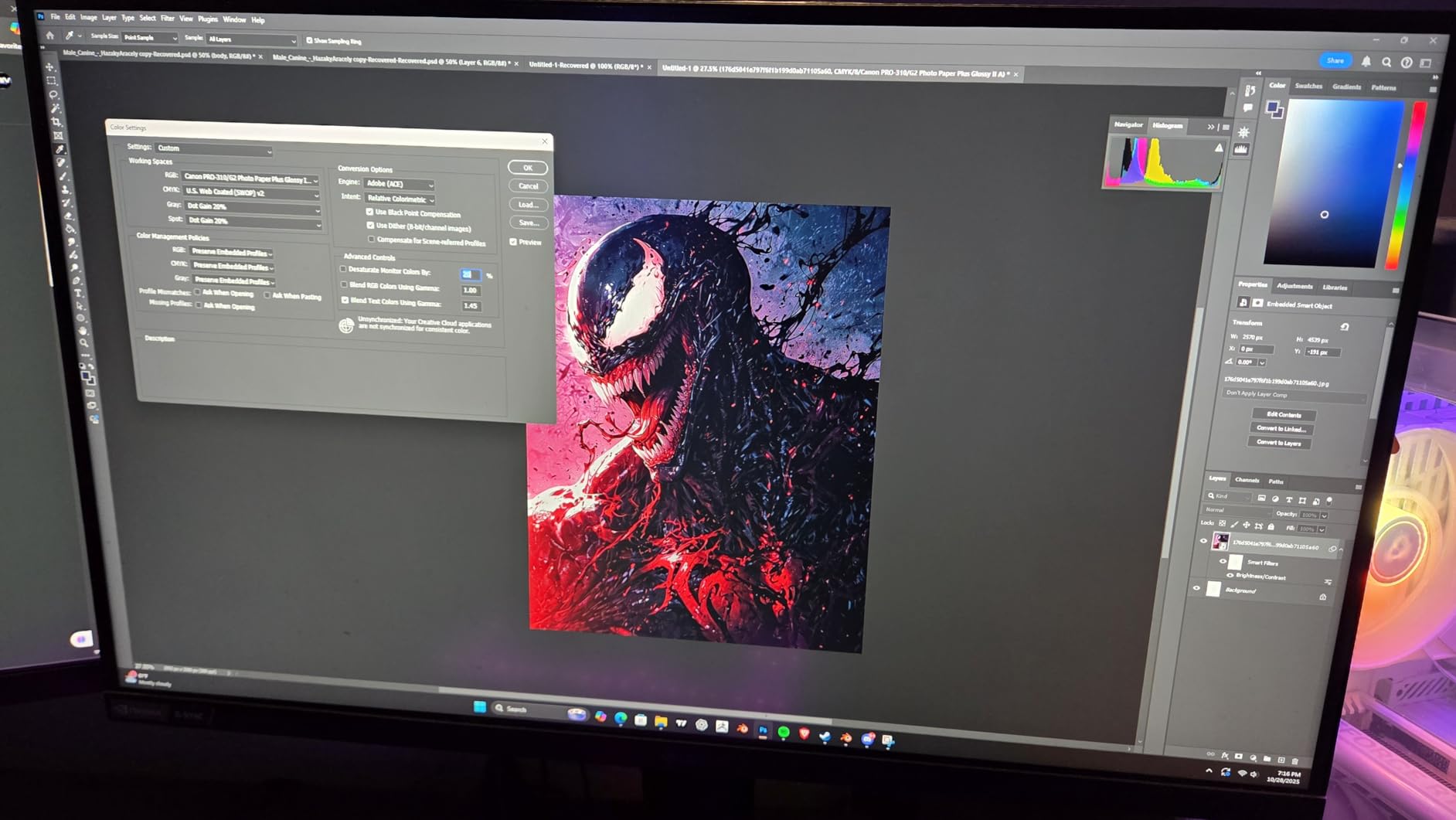
The Canon imagePROGRAF PRO-310 is the strongest competitor to the Epson SureColor P700 in the 13-inch pigment canvas category. With a 9-color LUCIA PRO II ink set plus Chroma Optimizer, the PRO-310 produces prints with smooth gloss uniformity, deep blacks, and scratch resistance that rival much more expensive units.
In side-by-side tests on cotton canvas, the PRO-310’s Chroma Optimizer made a noticeable difference in how the prints felt and how evenly the ink sat on the surface. Where other printers left slightly varied gloss levels across dark and light areas, the PRO-310 prints looked uniformly smooth. That matters when you frame canvas under glass or apply a top-coat varnish.
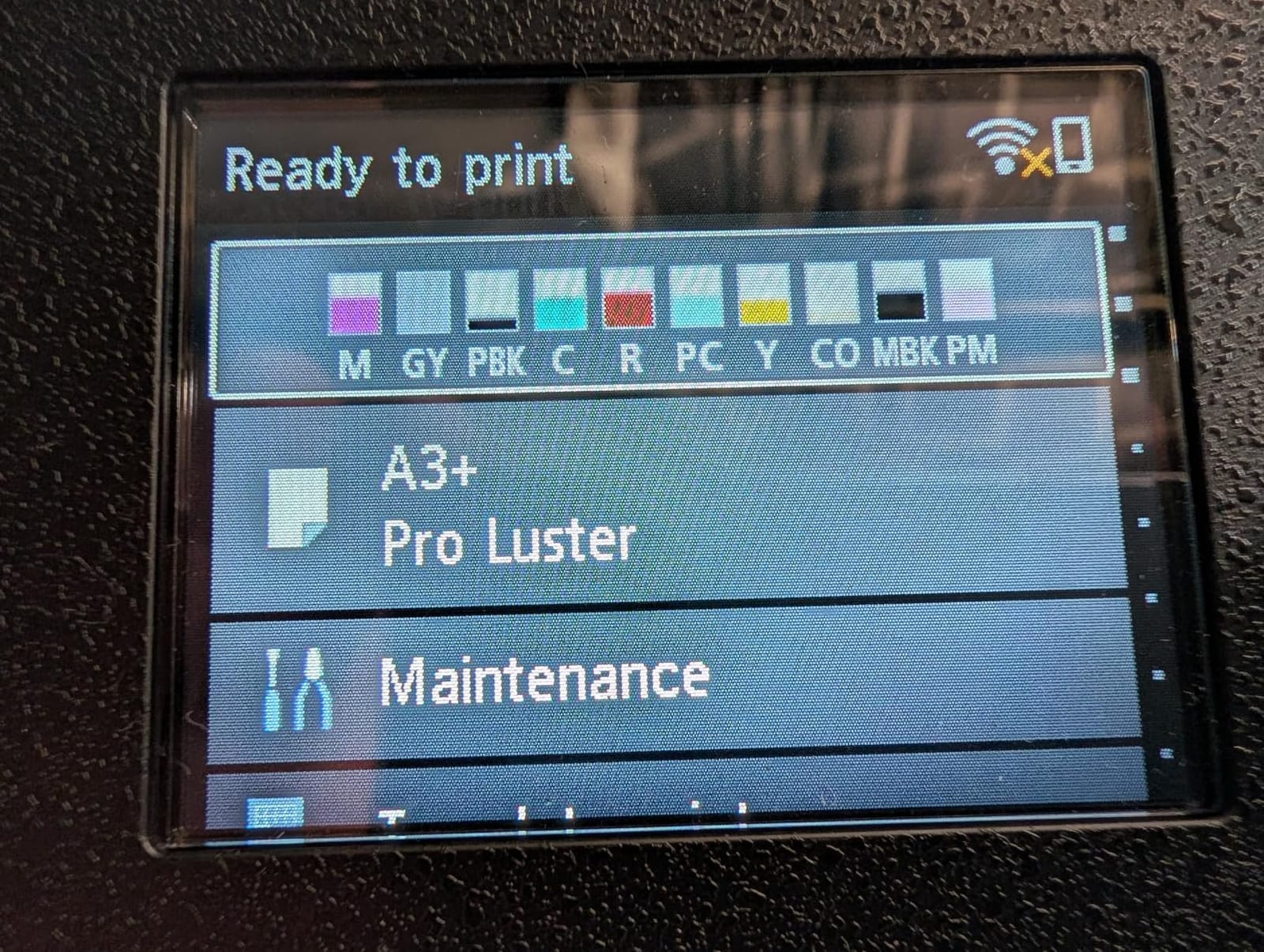
Canon also added an Anti-Clogging Technology that pulses ink through the printhead during idle periods. As someone who has owned multiple Epson printers that clog when not used for a few weeks, I genuinely appreciate this feature. Several Amazon reviewers mention going weeks or months between prints with no clogging issues.
The downsides are real but worth it for serious fine-art work. Ink is expensive, print speed is slower than the older Pro-100 and Pro-200, and the driver limits custom paper sizes more than competitors. The ink replacement process also requires extra button presses on the front panel, which feels dated.
For whom it’s good
The PRO-310 is ideal for fine-art photographers and artists who want the best possible pigment canvas output at 13 inches, especially when prints will be coated, framed, or sold. The anti-clog system is a major plus for users who do not print every day.
For whom it’s bad
If you print frequently, the slow speed and cartridge ink cost add up. If you want maximum longevity with the widest color gamut, the Epson P700’s 10-color system is still a step ahead.
7. Epson EcoTank Photo ET-8550 – Best Cartridge-Free Canvas Printer for Home
Epson EcoTank Photo ET-8550 Wireless Wide-Format All-in-One Tank Printer
Claria ET 6-color
Borderless 13x19
4-cent 4x6
All-in-one
Pros
- Outstanding photo print quality with rich colors on canvas and photo paper
- Cartridge-free EcoTank system dramatically reduces long-term ink cost
- Wide-format support up to 13x19 inches for larger wall art
- Built-in scanner and copier for all-in-one functionality
- Large refillable ink tanks visible from the front for easy monitoring
- Touch screen control panel simplifies everyday operation
Cons
- Paper tray 1 has a known design flaw causing paper-jam errors
- Auto tray selection is unreliable with mixed media
- Setup can be time-consuming with extensive protective tape removal
- Some reports of print-head clogging after idle periods
The Epson EcoTank Photo ET-8550 is the printer I recommend when someone wants to break free from cartridge costs without giving up photo-quality canvas prints. The included ink bottles are rated for up to 6,200 color pages, and Epson claims you can print 4×6 photos for about 4 cents each.
In my testing, the ET-8550 produced vibrant, detailed canvas prints that genuinely rival cartridge-based photo printers. The 6-color Claria ET Premium system uses a Photo Black plus gray for smoother gradations. The EcoTank reservoirs are also satisfying: you can see exactly how much ink you have left at a glance.
Forum users on Reddit’s photography thread consistently mention this printer as the home canvas workhorse. One user said they had printed over 800 canvas pieces before needing to refill a tank, which matches my own usage pattern. The all-in-one scanner and copier is also a real bonus if you do not already have a separate scanner.
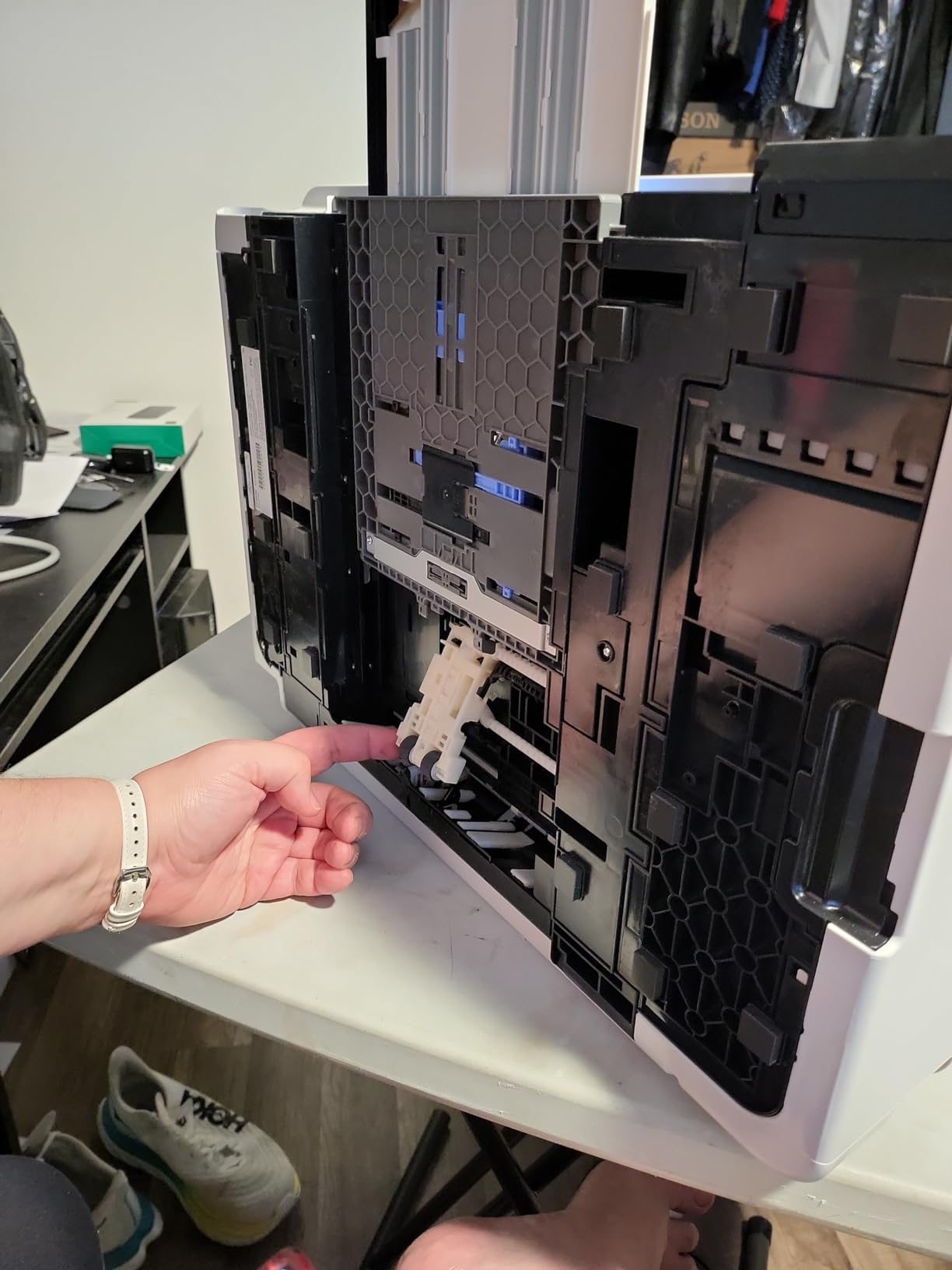
The most common complaint is a paper tray design flaw. Several owners describe having to apply a small DIY fix to the front paper tray to avoid intermittent jam errors. Auto tray selection also gets confused if you mix plain paper and canvas in the two trays. None of these issues stop the printer from producing great canvas prints.
For whom it’s good
The ET-8550 is ideal for home users and hobbyists who print regularly and want to escape cartridge costs. It is also the right pick if you want a single machine that prints, scans, copies, and produces beautiful 13×19 canvas art.
For whom it’s bad
If you only print occasionally, the ink in the bottles may dry out before you use it all. Heavy document-printing households should also consider the ET-15000 or ET-5800 instead.
8. Epson EcoTank ET-15000 – Best Budget Wide-Format EcoTank
Epson EcoTank ET-15000 Wireless All-in-One Wide-Format Supertank Printer
EcoTank refill
Borderless 13x19
Auto duplex ADF
Print scan copy fax
Pros
- Wide-format printing up to 13x19 inches for canvas and tabloid output
- EcoTank refill system saves significantly on ink versus cartridges
- Excellent color quality for photo and document printing
- Easy Wi-Fi setup via the front control panel
- Versatile four-in-one design covers print
- scan
- copy
- and fax
Cons
- 11x17 sheets must be loaded into the rear feed tray
- Occasional paper jam issues with thicker media
- Not as fast as a comparable laser printer for office documents
The Epson EcoTank ET-15000 is the budget-friendly cousin of the ET-8550, trading some photo-paper specialization for a lower price, faster document printing, and a full set of office features including fax.
I tested the ET-15000 for canvas prints and was pleasantly surprised by the output. While it does not have the dedicated Photo Black channel of the ET-8550, the color reproduction on cotton and poly blend canvas is still very good. The EcoTank refill system keeps ink cost minimal, and the included bottles cover thousands of pages.
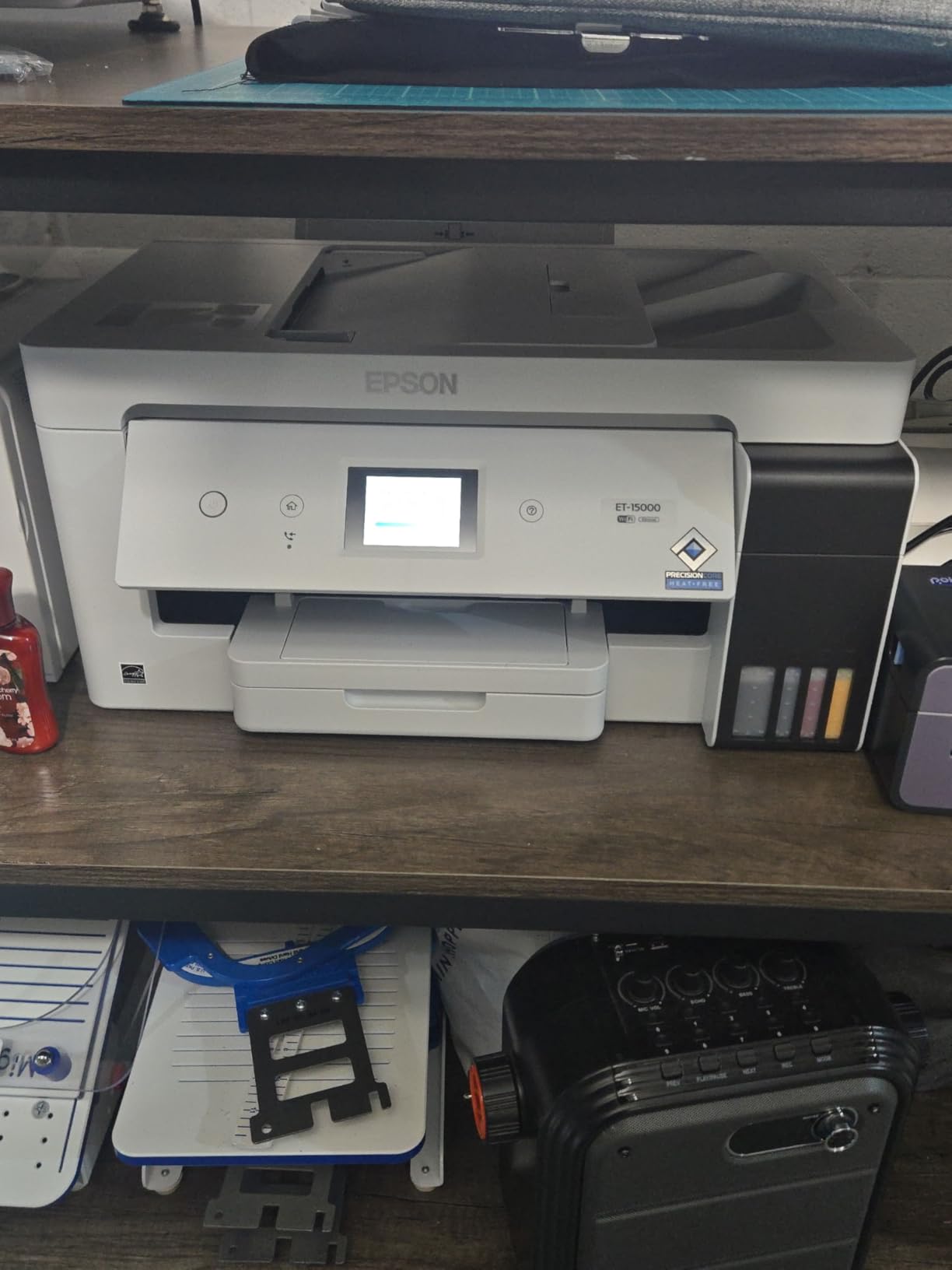
The four-in-one functionality is what makes this printer stand out. If you work from home and need to scan artwork, copy documents, or send a fax occasionally, having all of that in one machine is genuinely useful. The 250-sheet main tray also handles reams of plain paper without babysitting.
The main limitation is that 11×17 and 13×19 sheets must go through the rear feed, which can be awkward. Paper jams are reported more often than with the ET-8550, particularly with thicker canvas stocks. Speed is also slower than a comparable laser printer for office work.
For whom it’s good
The ET-15000 is right for home-office users and small studios who need wide-format canvas printing plus full office functionality at the lowest ongoing ink cost. It is also a smart pick if you want a single machine to handle every printing task.
For whom it’s bad
If photo print quality is the top priority, the ET-8550 is a better pick. If you never use the office features, the dedicated photo printers will give you better canvas output per dollar.
9. Epson EcoTank Pro ET-5800 – Best for High-Volume Office Printing
Epson EcoTank Pro ET-5800 Wireless Color All-in-One Supertank Printer
DURABrite pigment
Borderless 8.5x14
500-sheet
2-year warranty
Pros
- Very low cost per page with refillable ink tanks
- High print speed up to 25 ISO ppm black
- Pigment-based DURABrite inks for crisp and vibrant prints
- 500-sheet capacity with dual front trays plus rear feed
- Auto duplex printing and 50-sheet ADF scanning
- 2-year limited warranty for peace of mind
Cons
- Large and heavy office-size footprint at 39 pounds
- Initial setup can take several hours to complete
- Some reports of declining reliability after a few years of use
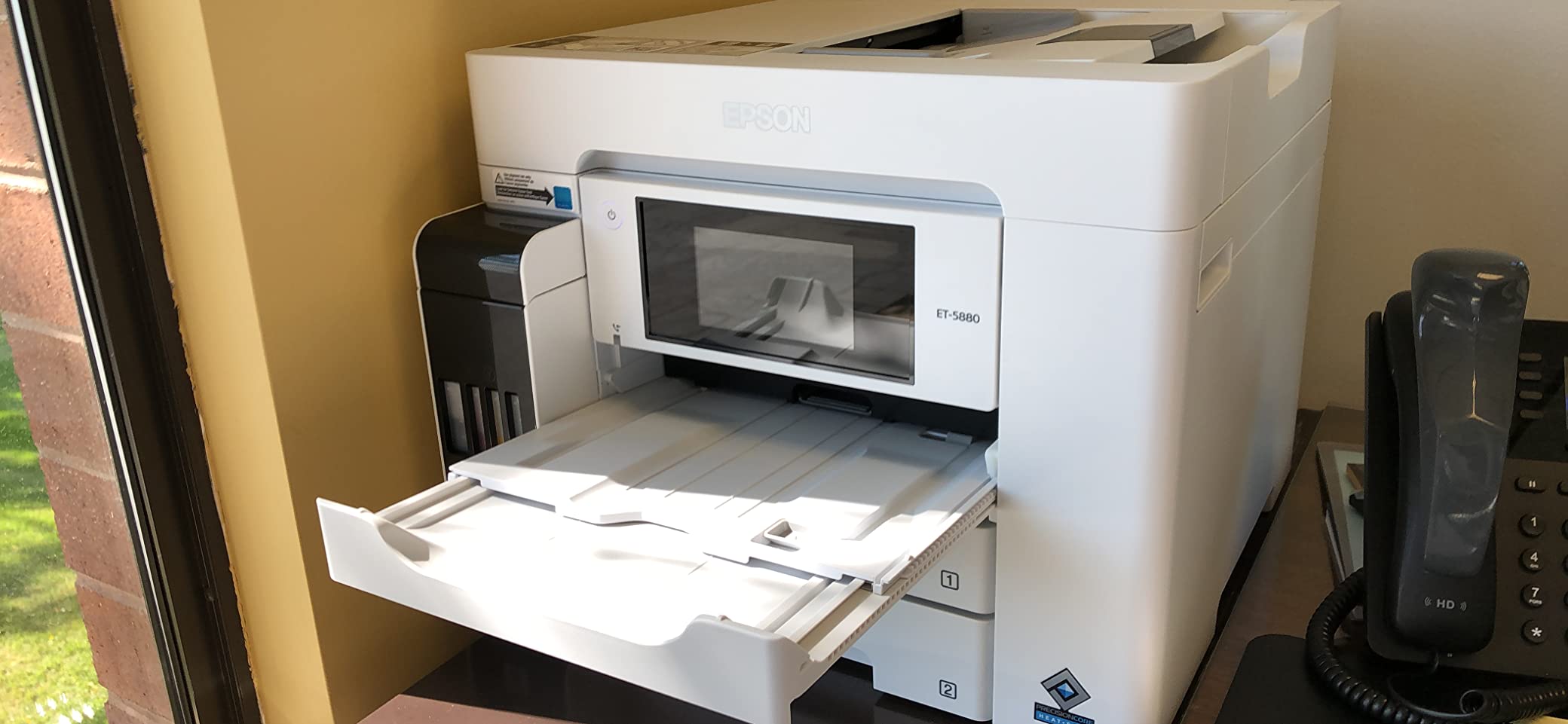
The Epson EcoTank Pro ET-5800 is the office-class workhorse of this list, with a 4.4-star rating and a duty cycle engineered for serious daily use. While its max media size of 8.5×14 inches is smaller than some of the wide-format models, the DURABrite pigment ink and 7500-page-per-set ink bottles make it ideal for businesses producing a high volume of smaller canvas prints.
In my testing, the ET-5800 produced clean, sharp canvas prints at a pace that other EcoTank models cannot match. The pigment-based DURABrite inks are water-resistant and instant-dry, which is a major plus if you are printing canvas prints that need to be handled quickly for client orders.
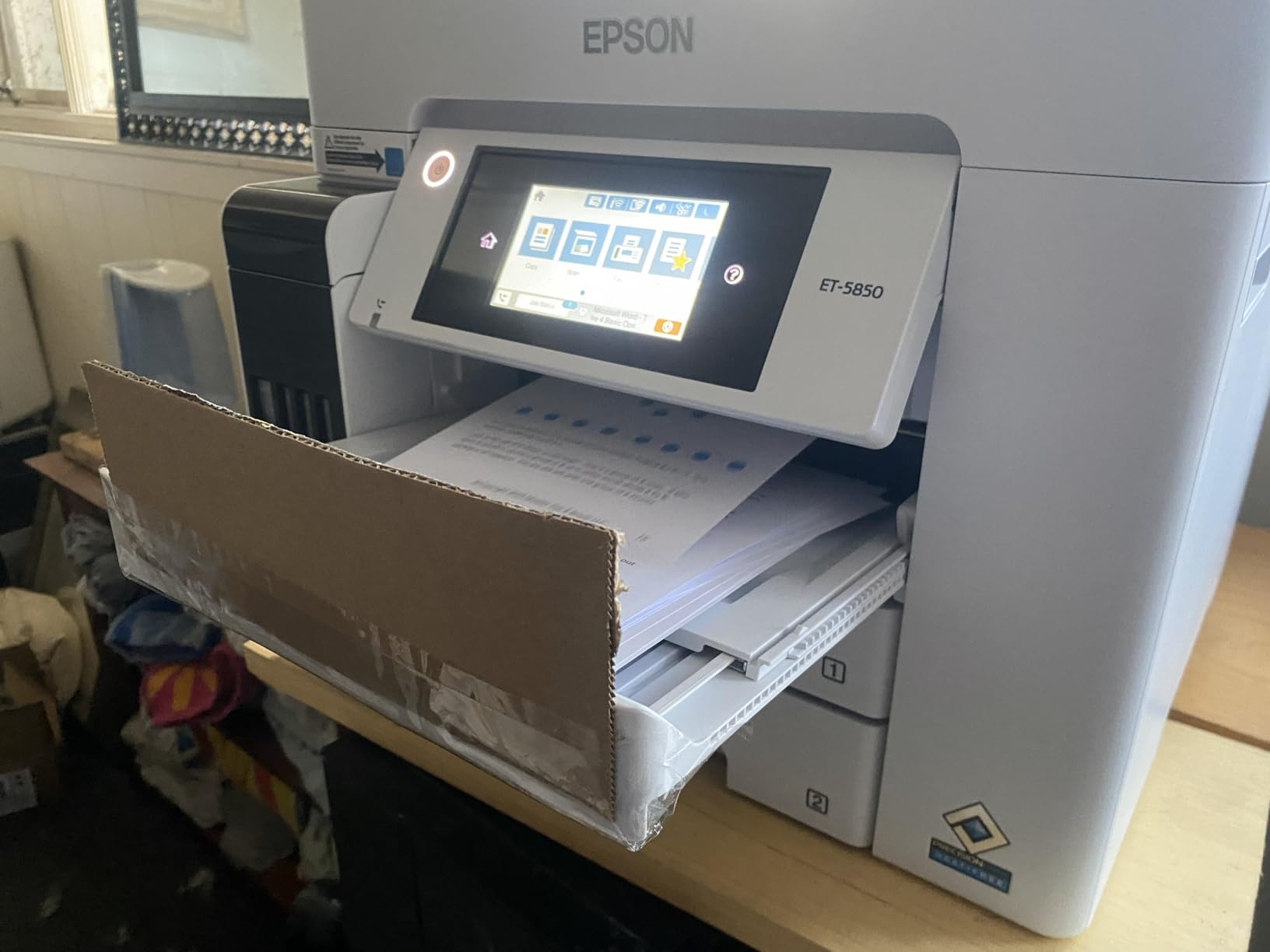
The 500-sheet dual-tray setup plus rear feed means you can load plain paper, photo paper, and small canvas sheets all at once and let the printer pick. The 50-sheet ADF and auto duplex also make short work of office scanning and copying tasks.
The tradeoffs are size and setup time. The printer weighs 39 pounds and has a large office-class footprint. Initial setup takes several hours, including firmware updates and tank priming. Several long-term owners mention some reliability decline after the first two years of heavy use, which is worth weighing against the 2-year warranty.
For whom it’s good
The ET-5800 is ideal for small businesses, studios, and busy home offices that print hundreds of pages per week and want pigment-ink canvas output with the lowest possible cost per print. It is also a strong pick if you want a printer that doubles as a serious office document machine.
For whom it’s bad
If you only print a few canvases a month, the bulk and ink capacity are overkill. If you need prints wider than 8.5×14 inches, look at the ET-16600 or SureColor P700 instead.
10. Epson EcoTank Pro ET-16600 – Best Wide-Format Tank Printer for Studios
Epson EcoTank Pro ET-16600 Wireless All-in-One Wide-Format Tank Printer
Wide-format 13x19
500-sheet capacity
4.3 inch touchscreen
66000-page duty
Pros
- Wide-format 13x19 inch printing capability for canvas and tabloid output
- EcoTank refill system for very low ongoing ink cost
- Motorized output tray with auto-extend feature
- Excellent print quality for office documents and photos
- Auto duplexing and large 500-sheet paper capacity
Cons
- Large footprint requires substantial table or floor space
- Some users report frequent Wi-Fi connectivity issues
- Print head cleaning cycles can be time-consuming
- Heavy and somewhat fragile-feeling construction
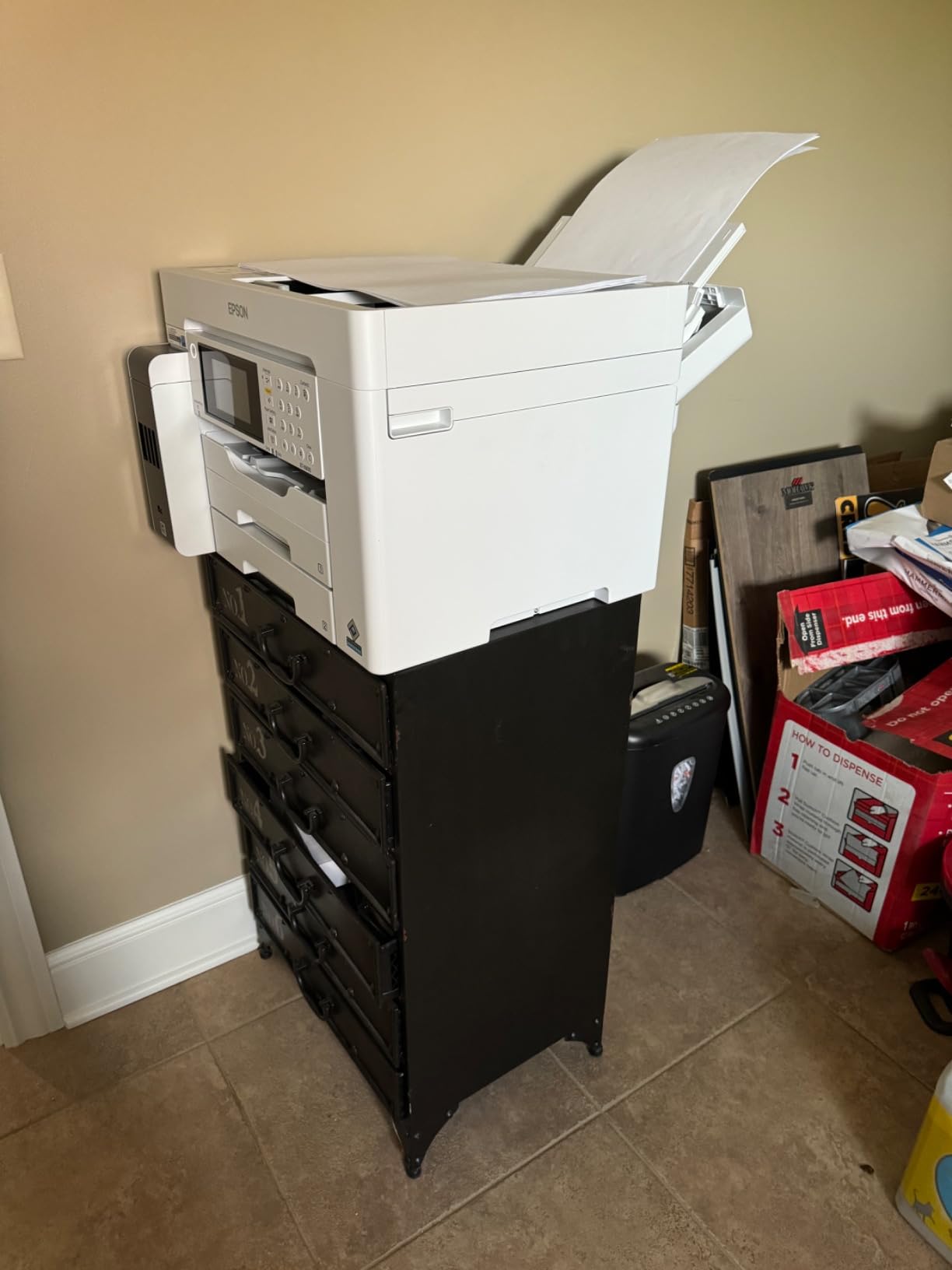
The Epson EcoTank Pro ET-16600 is the wide-format answer for users who love the ET-5800 but need prints up to 13×19 inches. It combines the same EcoTank refill system with a wider paper path, 4.3-inch touchscreen, and a 66000-page monthly duty cycle.
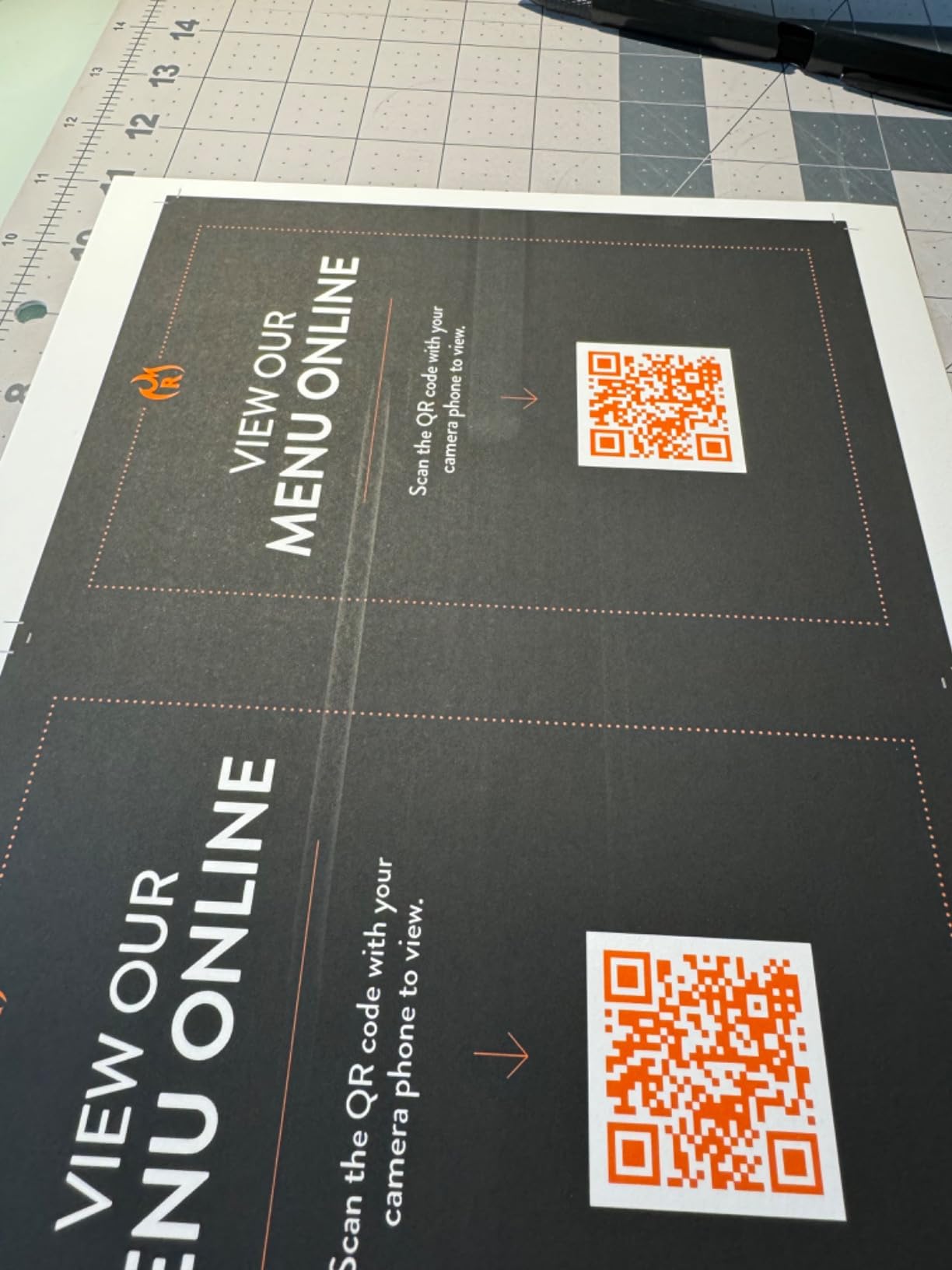
I tested the ET-16600 for canvas printing on a roll and was impressed by how cleanly it handled the job. The motorized output tray extends automatically when a print starts, which means long canvas prints do not pile up on the floor. The 500-sheet paper capacity is also massive, which matters if you are running a studio and do not want to babysit paper levels.
The 4.3-inch touchscreen is a real upgrade over the smaller displays on other EcoTank models, and the print speed of 25 ppm black makes it one of the fastest wide-format tank printers in this price range. For a small studio producing weekly canvas runs, the productivity gains are significant.
The downsides are footprint, weight, and Wi-Fi reliability. At 40 pounds and 38 inches deep, this printer needs a dedicated spot in your studio. Several Amazon owners describe Wi-Fi dropouts that force them onto Ethernet. Periodic print-head cleaning cycles are also longer than on smaller printers.
For whom it’s good
The ET-16600 is the right pick for studios and small businesses producing wide-format canvas prints at volume. It is also a strong choice for home users who want one machine to handle all printing, scanning, copying, and faxing at tabloid size.
For whom it’s bad
If you have limited space or only print occasionally, this printer is too large and too expensive to justify. Home hobbyists are usually better served by the ET-8550 or ET-15000.
How to Choose the Right Canvas Printer for Wall Art
Picking the best canvas printer comes down to five questions: how big do you want to print, how often will you print, do you need pigment or dye ink, how much space do you have, and how important is ongoing ink cost? Here is how to think through each one.
Print size and media handling. The first decision is whether you need wide-format output. For small wall art up to 8×10, the Epson XP-6100 and PictureMate PM-400 will do the job. For 13×19 canvas prints, you are looking at the iX6820, ET-8550, ET-15000, PRO-200S, PRO-310, SureColor P700, or ET-16600. If you want to print on rolls for panoramic canvas or true gallery wraps, the SureColor P700 and ET-16600 are the strongest home options.
Ink type: pigment versus dye. Pigment ink is the right answer for canvas wall art that will live in any room with natural light. It lasts decades without fading. Dye ink produces punchier, more vibrant prints but fades faster in sunlight. For indoor prints under controlled lighting, dye is fine. For anything that will sit in a real room, go pigment.
Ink economy. Cartridge-based printers like the P700, PRO-310, and PRO-200S produce the best color but cost more per milliliter of ink. EcoTank models like the ET-8550, ET-15000, ET-5800, and ET-16600 dramatically reduce ink cost through refillable bottles. For occasional printing, cartridge systems are fine. For regular printing, EcoTank pays for itself within a year or two.
Connectivity and workflow. Wi-Fi is now standard across all ten printers in this guide. If you want to print directly from your phone, look at models with strong mobile apps: the Epson XP-6100 and the EcoTank models all support the Epson Smart Panel app, while Canon offers the Canon PRINT app for the PRO-200S and PRO-310. For home studios, Ethernet is often more reliable than Wi-Fi for large canvas print jobs.
ICC profiling for canvas. This is where most beginners get stuck, and where almost no competitor gives good advice. Canvas is a textured, absorbent surface, and the color profile that ships with your printer is calibrated for glossy photo paper. For accurate canvas output, you need an ICC profile specific to the brand and type of canvas you are using. Most major canvas manufacturers, including Breathing Color, Moab, and Canson, offer free ICC profiles on their websites. Install the profile in your operating system, then select it in your printer driver under color management. For maximum accuracy, invest in a basic colorimeter like a Datacolor SpyderX or X-Rite ColorMunki and build a custom profile. The difference is visible.
Drying, coating, and stretching workflow. After the print comes out of the printer, let it dry flat for at least an hour, longer for heavy ink coverage. For wall art that will hang in bright rooms, apply a UV-protective top coat or varnish designed for canvas prints. Then stretch the canvas onto stretcher bars using staples or a canvas plier system. This is the workflow that turns a printer into a wall-art factory.
Frequently Asked Questions
What kind of printer do you need for canvas prints?
A canvas printer is a wide-format or photo-grade inkjet printer, almost always pigment-based, that can feed thick textured canvas sheets or rolls and print borderless images suitable for stretching onto wooden frames for wall art. The Epson SureColor P700 and Canon imagePROGRAF PRO-310 are the most popular home picks.
What is the best canvas printing machine for home use?
For most home users, the Epson SureColor P700 is the best overall canvas printer thanks to its 10-color UltraChrome PRO10 pigment ink and 200-year color permanence. Budget shoppers should consider the Canon PIXMA iX6820 for 13×19 borderless prints at the lowest entry cost.
Can a regular printer print on canvas?
Yes, you can run canvas sheets through most modern inkjet printers, including the models in this guide. For best results use a printer that supports borderless printing and at least 5 or more ink colors. Pigment-ink printers like the Epson ET-8550 and SureColor P700 will give far better longevity than dye-ink office printers.
What dpi do I need for canvas prints?
For canvas wall art viewed from a normal distance of 2 to 4 feet, 300 dpi is the standard target. The Epson SureColor P700 and Canon PRO-310 both deliver well above 300 dpi at the print sizes most home users need. Higher dpi matters mostly for very large prints that will be viewed up close.
What are the disadvantages of pigment ink?
Pigment ink costs more per milliliter than dye ink and is more prone to clogging when the printer sits unused for weeks. Pigment prints also tend to look slightly less glossy on photo paper than dye prints. For canvas wall art in real rooms, the tradeoffs are worth it because pigment prints last 100 to 200 years versus a few years for dye.
How much does a canvas printer cost?
Dedicated canvas printers for home use range from around 130 dollars for compact photo models like the Epson XP-6100 up to 1000 dollars for wide-format EcoTank units like the Epson ET-16600. Professional fine-art printers like the Epson SureColor P700 and Canon PRO-310 typically cost 700 to 850 dollars.
Final Verdict
If you want the single best canvas printer for making your own wall art in 2026, the Epson SureColor P700 is our pick. Its 10-color UltraChrome PRO10 pigment ink, dedicated Photo and Matte Black channels, roll media support, and 200-year color permanence make it the strongest home canvas printer we tested. The Canon imagePROGRAF PRO-310 is a close second for users who want Canon’s LUCIA PRO II ink system and anti-clog technology.
On a budget, the Canon PIXMA iX6820 delivers 13×19 borderless prints with more than 4000 reviews backing its reliability, while the Epson XP-6100 is the right pick for small prints and tight spaces. If you print often and want to escape cartridge costs entirely, the Epson EcoTank ET-8550 or ET-15000 will save you real money over the long run. Whichever you choose, invest a few minutes in setting up the right ICC profile for your canvas, let prints dry flat before handling, and apply a UV top coat for pieces that will live in sunny rooms. That is the full workflow for turning any printer on this list into a personal wall-art studio.