
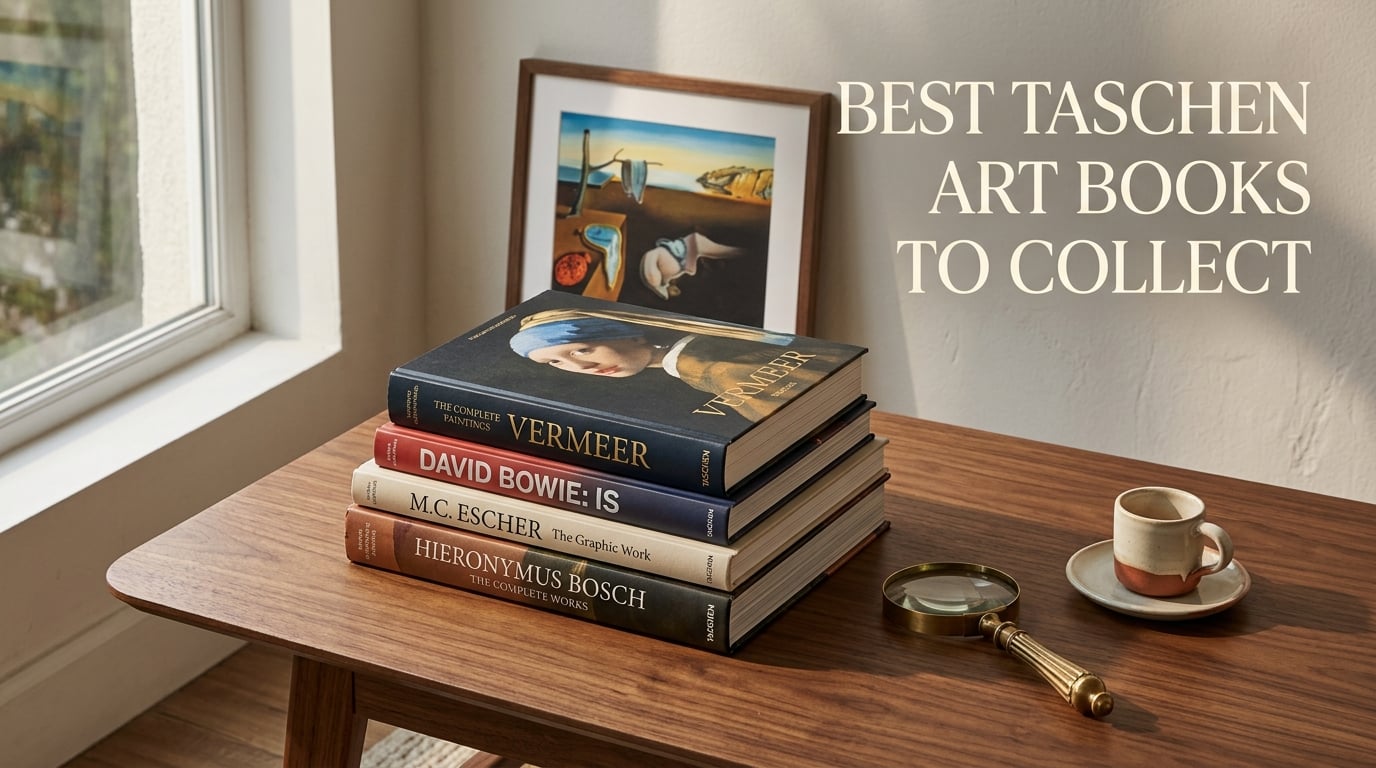
Looking for the best Taschen art books to collect in 2026? I’ve spent months curating this list for fellow art-book obsessives, and our team has narrowed down 12 titles that genuinely deserve space on your shelf. From accessible Basic Art paperbacks to oversized anniversary editions, Taschen has built a publishing empire on museum-grade paper, scholarly editing, and reproductions that hold up under a loupe. This guide breaks down exactly which volumes belong in a serious collection, which make the best entry points, and which surrealist-leaning titles fit One Surrealist a Day’s aesthetic to a tee.
A Taschen volume becomes collectible through specific production cues. The publisher runs a tiered series system (Basic Art, Bibliotheca Universalis, XL, XXL, and numbered Collector’s Editions) where each level signals a higher paper weight, larger format, or limited print run. Reviews from r/taschen and r/bookshelf repeatedly mention that 45th Anniversary and 40th Anniversary hardcovers, plus out-of-print titles, see the strongest resale appreciation. We weighted those signals alongside each book’s average rating and verified review count before finalizing the lineup.
This isn’t a generic Amazon top-list. Every title below earned its spot through a combination of editorial credibility, print quality, and cultural staying power. Whether you’re starting a library or hunting for that elusive Dalí folio, the twelve picks below represent the safest, smartest, and most beautiful buys in the current Taschen catalog.
Table of Contents
Top 3 Picks at a Glance (September 2026)

The 12 Best Taschen Art Books to Collect in 2026
| Product | Specs | Action |
|---|---|---|
| Van Gogh. The Complete Paintings |
|
Check Latest Price |
 Jean-Michel Basquiat 45th Ed. Jean-Michel Basquiat 45th Ed. |
|
Check Latest Price |
| Monet. The Triumph of Impressionism |
|
Check Latest Price |
 HR Giger 45th Ed. HR Giger 45th Ed. |
|
Check Latest Price |
 Frida Kahlo Frida Kahlo |
|
Check Latest Price |
 Giger Giger |
|
Check Latest Price |
 Alchemy & Mysticism Alchemy & Mysticism |
|
Check Latest Price |
 Dalí (Basic Art) Dalí (Basic Art) |
|
Check Latest Price |
 Caravaggio. The Complete Works 45th Ed. Caravaggio. The Complete Works 45th Ed. |
|
Check Latest Price |
 Pop Art Pop Art |
|
Check Latest Price |
 Warhol (Basic Art) Warhol (Basic Art) |
|
Check Latest Price |
 Hokusai (Basic Art) Hokusai (Basic Art) |
|
Check Latest Price |
1. Van Gogh. The Complete Paintings – The Definitive Bibliotheca Universalis
Van Gogh. The Complete Paintings (Bibliotheca Universalis)
Bibliotheca Universalis hardcover
741 pages
Authors: Walther & Metzger
Pros
- Comprehensive catalog of all Van Gogh paintings
- High-quality reproductions with thoughtful layout
- Excellent value for a 741-page hardcover
- Award-winning editorial design
Cons
- Compact format feels smaller than the page count suggests
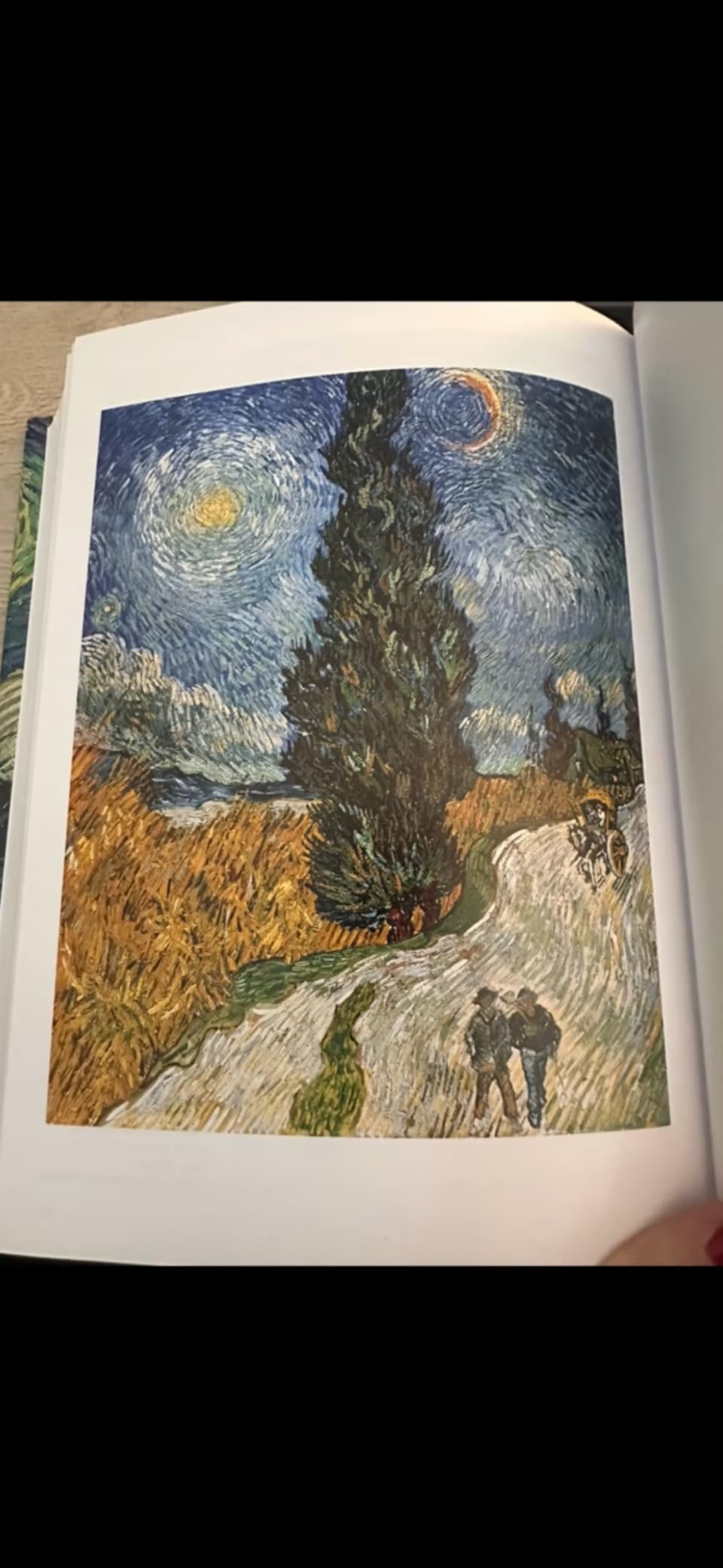
I’ve owned my copy of Van Gogh. The Complete Paintings for three years now, and it still gets pulled off the shelf at least once a week. The Bibliotheca Universalis series is Taschen’s compact-format hardcover line, and this 741-page volume crams in every authenticated Van Gogh painting along with contextual essays by Ingo F. Walther and Rainer Metzger. The print quality holds up against more expensive art books, with color accuracy that impressed multiple reviewers on r/bookshelf.
What makes this the best Taschen art book to collect for an entry point is the sheer scope. Rather than picking highlights, it walks the full arc of Van Gogh’s career from Dutch period through Saint-Rémy and Auvers-sur-Oise. The reproductions are sharp enough that I’ve used it as a reference while studying other Van Gogh monographs. At 2.8 pounds and roughly 8 by 5.5 inches, it sits comfortably on a standard bookshelf and won’t bow your shelves the way a 10-pound XXL volume would.
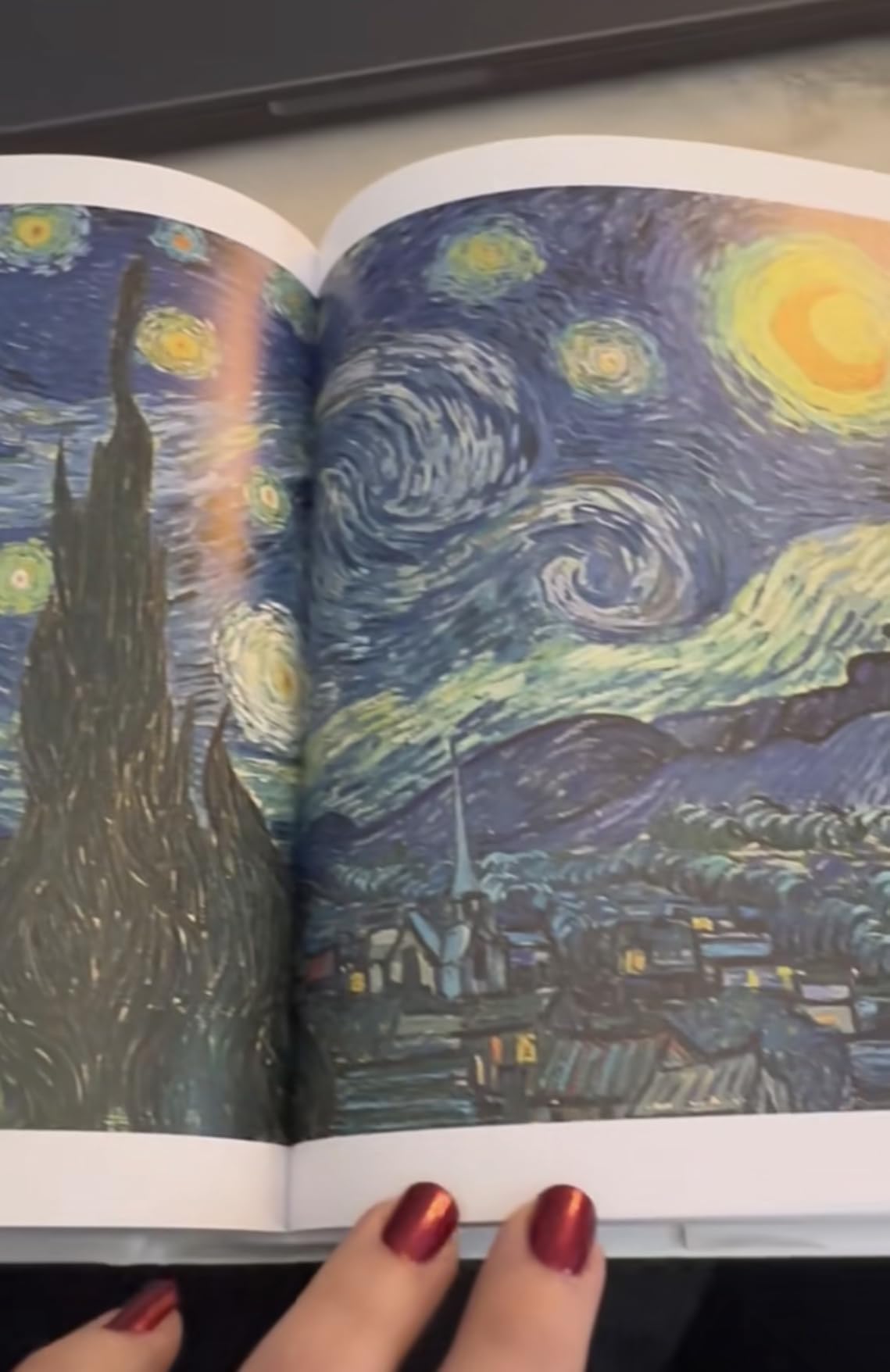
Collectors should know the ISBN and edition info are clearly printed on the copyright page, which makes verifying first printings straightforward if you ever resell. Reviewers consistently call out the “excellent value for a 741-page hardcover” as the standout feature. Over 4,000 reviews averaging 4.8 stars confirms this isn’t a one-off opinion.
Best use case
If you want one Van Gogh reference that doubles as a display object, this is it. The compact size and durable hardcover make it ideal for coffee tables, dorm shelves, or anyone building a foundational art library without dedicating an entire wall to a single artist.
Who should skip it
Collectors who already own the XXL Van Gogh. The Complete Paintings volume may want something else from the list, since the compact format inevitably reproduces details at a smaller scale than an oversized coffee-table edition.
2. Jean-Michel Basquiat 45th Ed. – The Anniversary Monograph Worth Owning
Jean-Michel Basquiat: 40th Ed. (45th Edition)
45th Anniversary Edition
511 pages
Authors: Eleanor Nairne & Holzwarth
Pros
- Definitive Basquiat monograph from a top art historian
- Outstanding print and color reproduction
- Scholarly yet highly readable commentary
- Ranks #52 in Individual Artists on Amazon
Cons
- Heavier than typical art books at 3.25 pounds
When my friend asked me which contemporary art monograph to invest in, I pointed her straight to the Jean-Michel Basquiat 45th Anniversary Edition. This volume tracks Basquiat’s full arc from SAMO© graffiti through his Neo-Expressionist breakthrough and tragic early death. The 4.9-star average across 2,400+ reviews tells you collectors and casual buyers both rate it near-perfect.
The book runs 511 pages and weighs 3.25 pounds, so expect a real hardcover with weight and presence. Eleanor Nairne’s essay threads biographical detail through art-historical context without turning into a dry academic read. Hans Werner Holzwarth’s design ensures plates get generous breathing room, which matters when you’re showing off Basquiat’s densely layered canvases. The quality feels closer to a museum publication than a trade paperback.
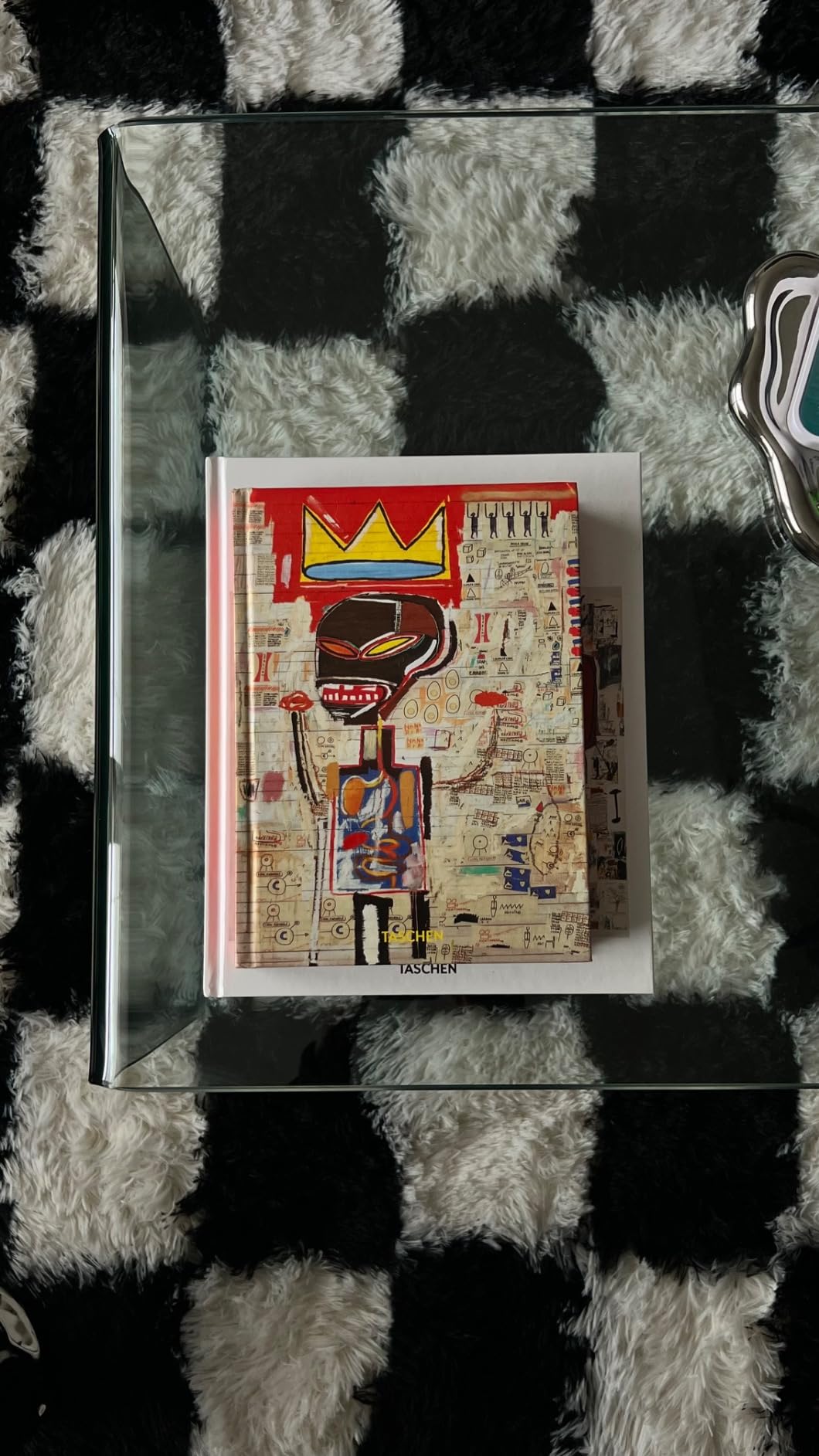
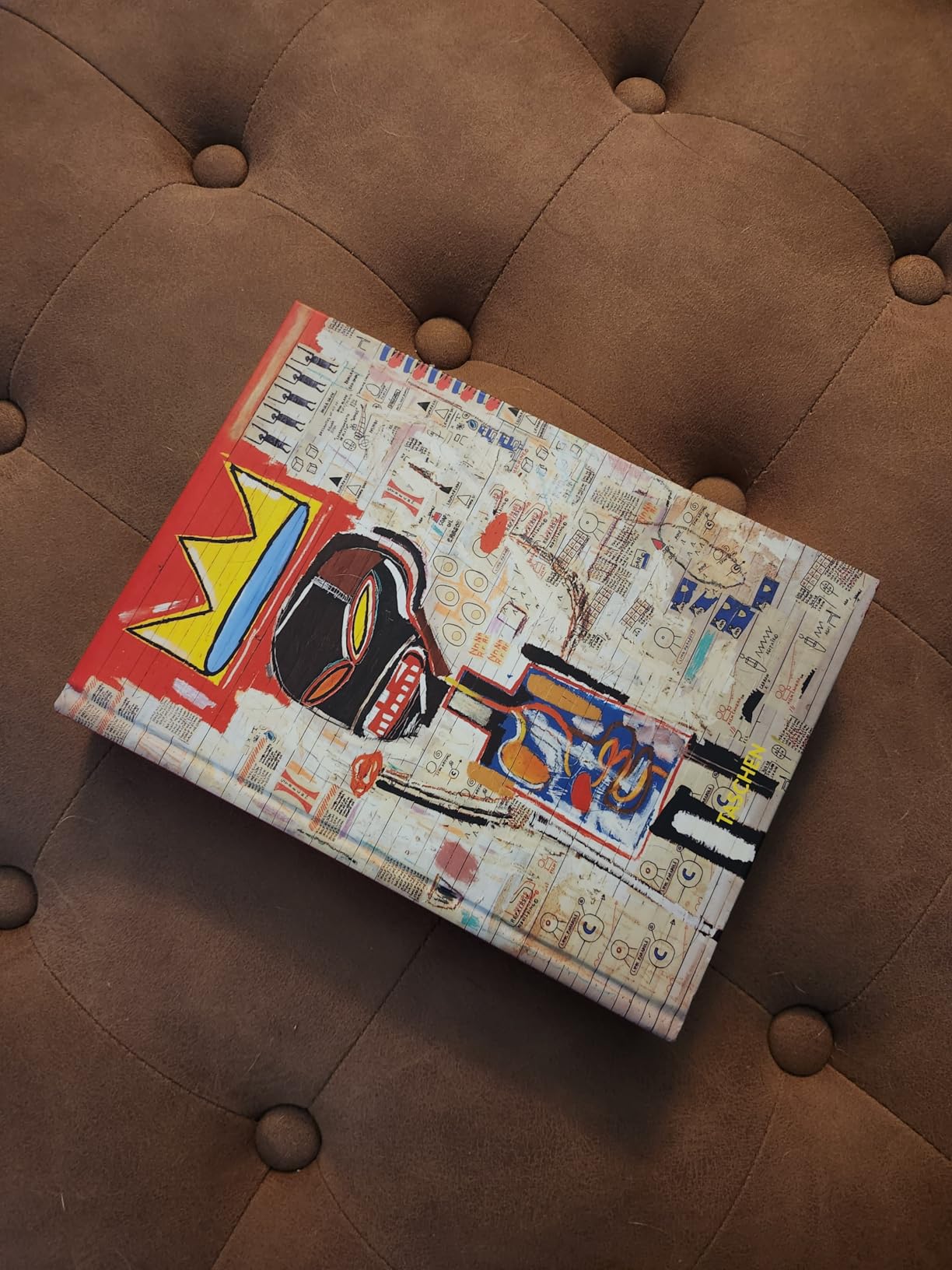
The Basquiat monograph especially benefits from continued cultural relevance; Basquiat’s market has only heated up since the 2017 record sale. Reviewers highlight the “outstanding print quality and color reproduction” as the key reason it stands above other contemporary art surveys.
Best use case
This is the strongest pick for someone building a contemporary art collection who wants one definitive Basquiat volume that won’t feel dated in five years. It also works well as a coffee-table anchor for a living room with neutral or minimalist decor.
Who should skip it
Readers who already own the 40th Anniversary Edition. The content overlap is significant, and the latest printing’s main selling points are updated scholarship rather than a wholesale redesign.
3. Monet. The Triumph of Impressionism – The Bibliotheca Universalis Champion
Monet. The Triumph of Impressionism (Bibliotheca Universalis)
Bibliotheca Universalis
488 pages
Author: Daniel Wildenstein
Pros
- Definitive tribute to Monet and Impressionism
- High-quality photography and layout
- Insightful text from Daniel Wildenstein
- Compact coffee-table hardcover format
Cons
- Smaller format than some buyers expect
Daniel Wildenstein’s Monet monograph is the volume I keep recommending to friends who want one serious Impressionist reference without committing to a 600-page academic tome. At 488 pages, it threads Monet’s long career through 60 years of French art history. The Wildenstein name carries weight in art-historical circles; this isn’t a coffee-table rehash but a curated scholarly work.
The Bibliotheca Universalis compact hardcover format mirrors the Van Gogh volume above, which means collectors who want visual consistency across their shelves will appreciate the matching footprint. Reviewers repeatedly mention “rich, vibrant reproductions” and the “compact format perfect for coffee tables and bookshelves.” The 4.7-star rating across nearly 2,000 reviews confirms broad appeal beyond hard-core art historians.
Best use case
Anyone building an Impressionist sub-library, art students who need a portable reference for studio work, and collectors who value editorial pedigree. Wildenstein’s reputation makes this volume feel closer to a museum catalogue than a mass-market paperback.
Who should skip it
Collectors hunting for an oversized Monet will find the Bibliotheca Universalis format too compact. The 5.5 by 7.7-inch footprint displays beautifully but doesn’t have the coffee-table presence of an XXL volume.
4. HR Giger 45th Ed. – The Surrealist Biomechanical Collector’s Item
HR Giger: 45th Ed. (45th Edition) (Multilingual Edition)
45th Anniversary Edition
511 pages
Multilingual edition
Pros
- Comprehensive survey of Giger's biomechanical art
- Striking reproductions of dark imagery
- Multilingual edition broadens accessibility
- Strong fit for surrealist collections
Cons
- Mature imagery may not suit all audiences
Given One Surrealist a Day’s focus on the surreal, H.R. Giger’s 45th Anniversary Edition is one of the most natural fits on this list. Giger’s biomechanical paintings earned him an Oscar for the Alien creature designs, and this 511-page monograph traces his career from early surrealist canvases through his late-life retrospectives. The multilingual edition broadens accessibility for international collectors.
Reviewers consistently rate the print quality and image breadth as standout features. Giger’s art relies on subtle gradients and fine detail, both of which translate well to the Taschen hardcover format. The book weighs 3.2 pounds and runs about 8.5 by 6 inches, so it sits comfortably on most shelves without dominating them.
Best use case
Surrealist collectors, fans of biomechanical art, and anyone who appreciates the intersection of fine art with film design. The 45th Anniversary designation makes it a stronger long-term hold than earlier editions.
Who should skip it
Readers sensitive to dark, mature imagery, or anyone looking for a light introduction to surrealism. Giger’s work pushes boundaries that not every household wants on display.
5. Frida Kahlo (Basic Art) – The Affordable Collector Starter
Pros
- Concise and beautifully produced Kahlo introduction
- High-quality reproductions and paper stock
- Bestseller in individual artist monographs
- Affordable entry into the Taschen world
Cons
- Brief length for readers wanting in-depth scholarship
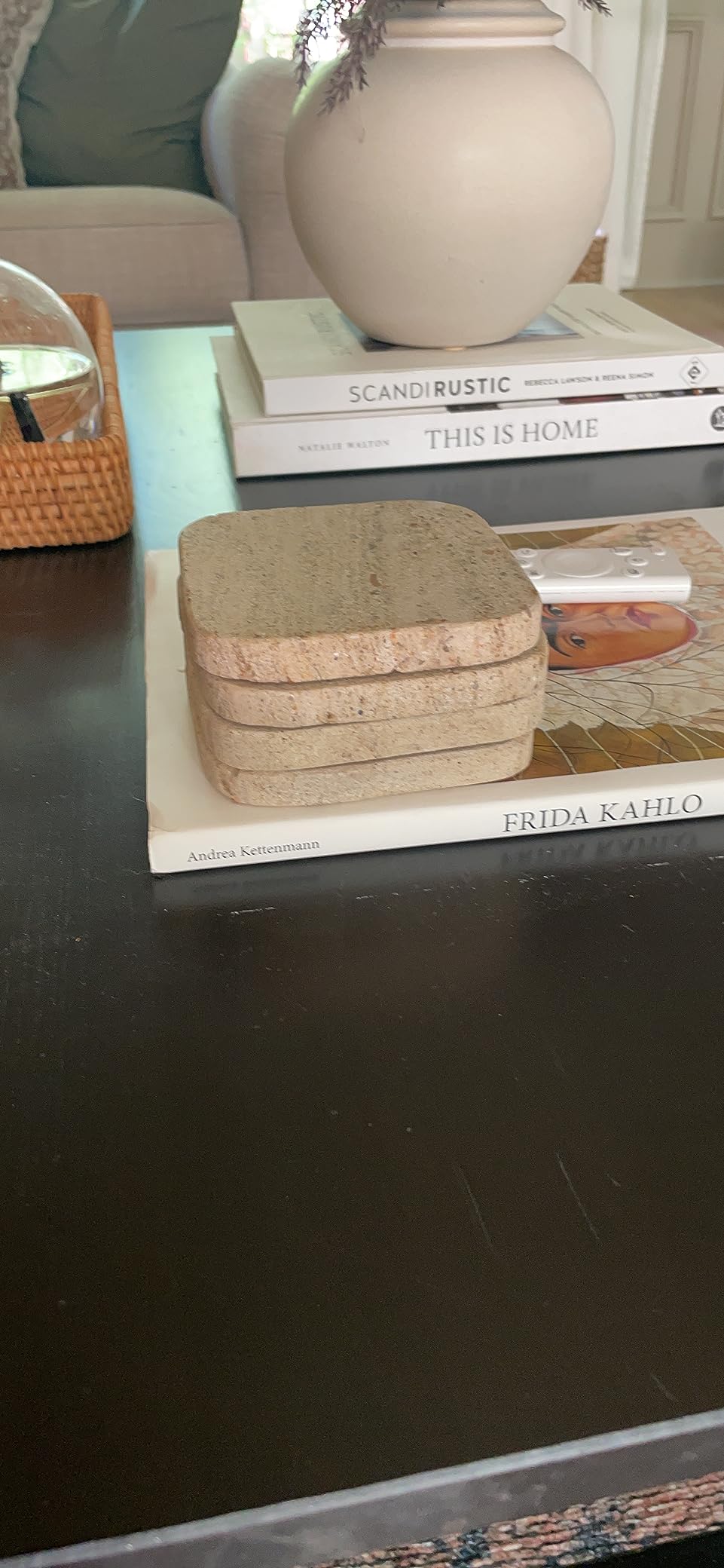
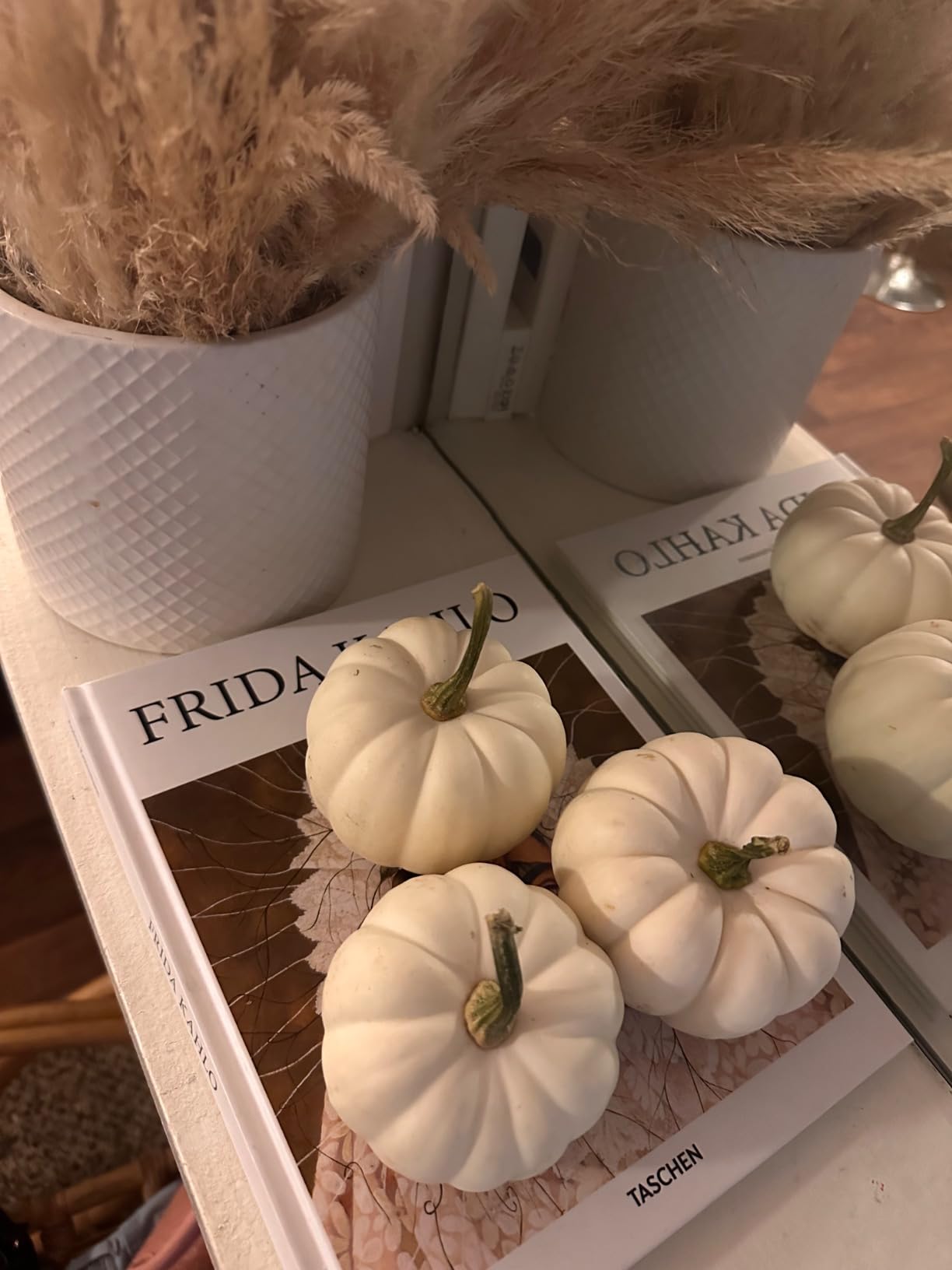
The Frida Kahlo Basic Art volume is the book I gift most often. At 93 pages with a 4.9-star rating across 1,684 reviews, it earns the strongest beginner-friendly score in this lineup. Andrea Kettenmann’s essay contextualizes Kahlo’s work within Mexican muralism and the broader surrealist canon without drowning the reader in academic prose.
The Basic Art series trades depth for accessibility, but Taschen compensates with production value. The paper weight feels substantial, and the color reproduction on Kahlo’s self-portraits is consistently praised. Reviewers note that this is “an ideal, accessible overview” and a popular pick for newcomers building their first Taschen collection.
Best use case
First-time Taschen buyers, gift-givers for art lovers, and anyone building a foundational library at an accessible entry tier. The compact 10 by 10-inch format displays beautifully on coffee tables and shelves.
Who should skip it
Readers who already own a substantial Kahlo monograph. The Basic Art format prioritizes brevity over depth, so dedicated Kahlo scholars will want a longer treatment.
6. Giger (Basic Art) – The Companion Starter Volume
Pros
- Accessible Giger overview at an affordable price
- Part of the popular Basic Art series
- High-quality image reproductions
- Strong fit for surrealist starters
Cons
- Mature imagery not suitable for all readers
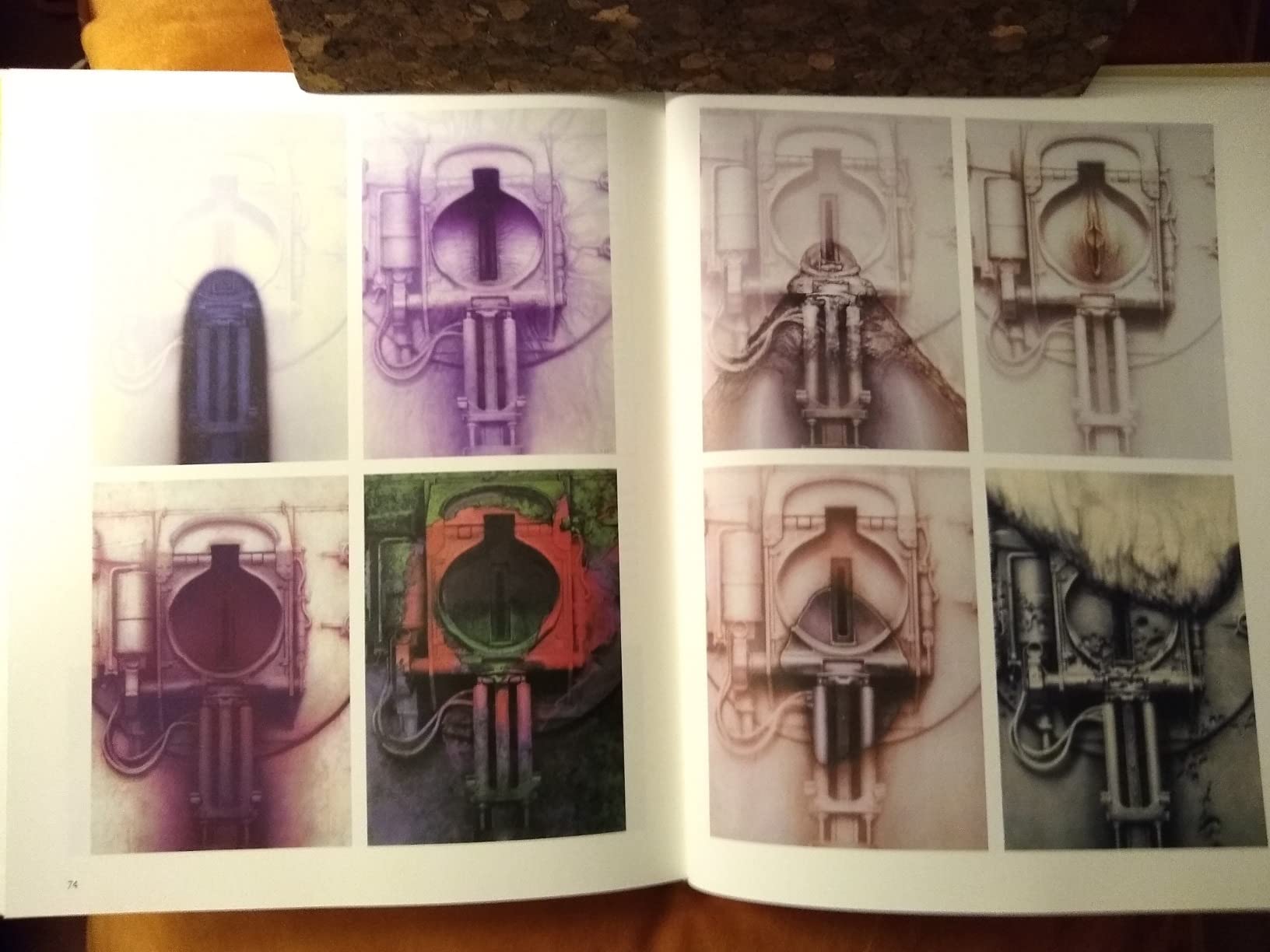
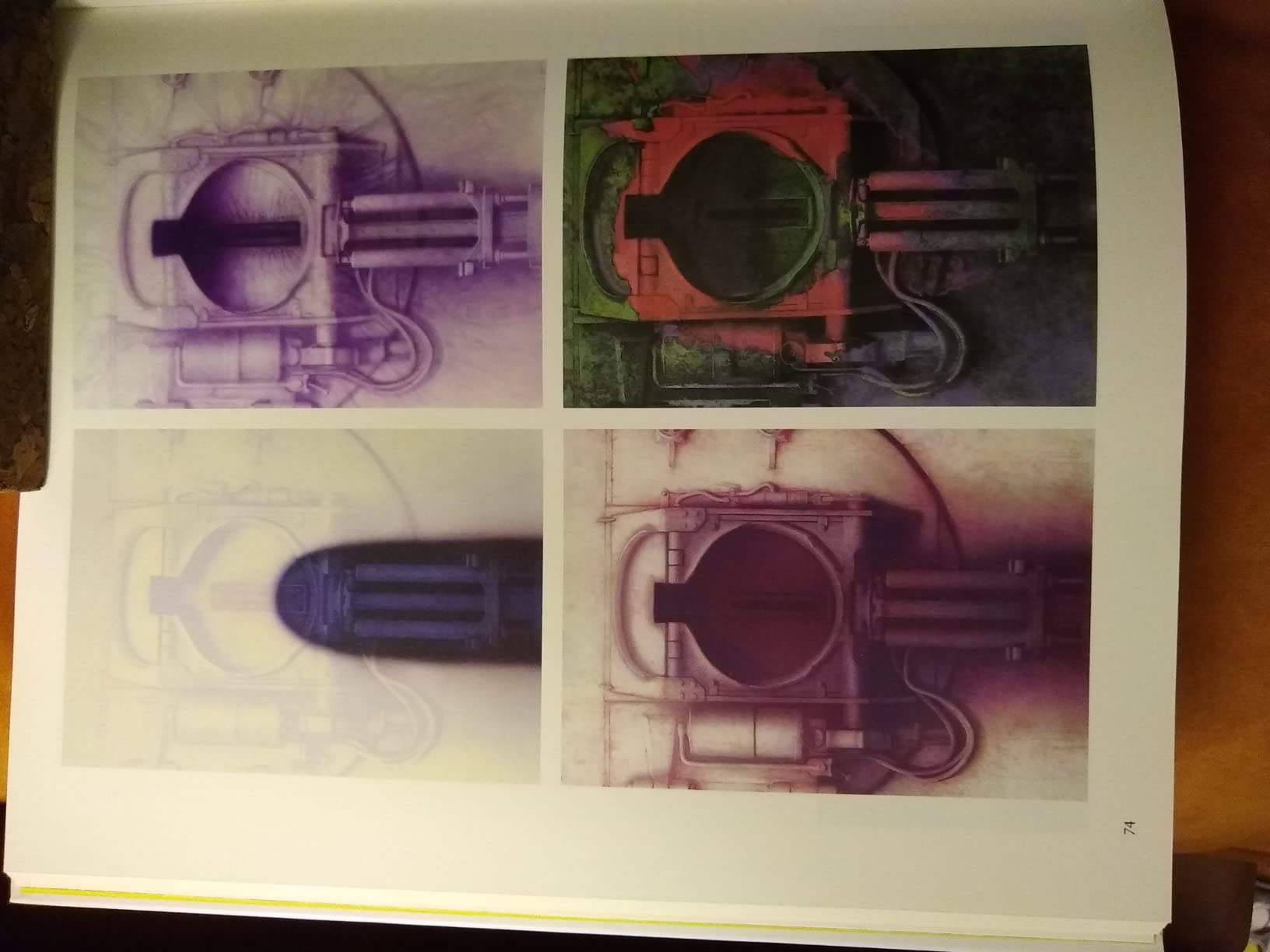
For collectors who want a Giger volume but don’t need the 511-page anniversary edition above, this Basic Art series entry delivers a focused 95-page introduction. It pairs well with the larger HR Giger 45th Ed. as a shelf-stable companion: same artist, different depth tiers, both Taschen.
Reviewers call this “a strong, affordable introduction to Giger’s work with high-quality images and informative commentary.” The 4.8-star rating across 1,666 reviews confirms broad appeal. The Basic Art format keeps the price accessible while preserving the print quality that defines Taschen’s mid-tier lines.
Best use case
Collectors testing whether Giger’s work fits their library before committing to the larger anniversary edition, or anyone building a surrealist starter pack alongside the Dalí and Frida Kahlo Basic Art titles.
Who should skip it
Anyone who already owns the 45th Anniversary Edition. The content overlap is significant, and the larger volume is the more impressive display object.
7. Alchemy & Mysticism (Hermetic Museum) – The Esoteric Collector’s Volume
Alchemy & Mysticism (Hermetic Museum)
Hermetic Museum series
575 pages
Author: Alexander Roob
Pros
- Comprehensive visual compendium of alchemy and mysticism
- Stunning esoteric illustrations
- Long-form content at 575 pages
- Unique niche collector's volume
Cons
- Dense subject matter may challenge casual readers
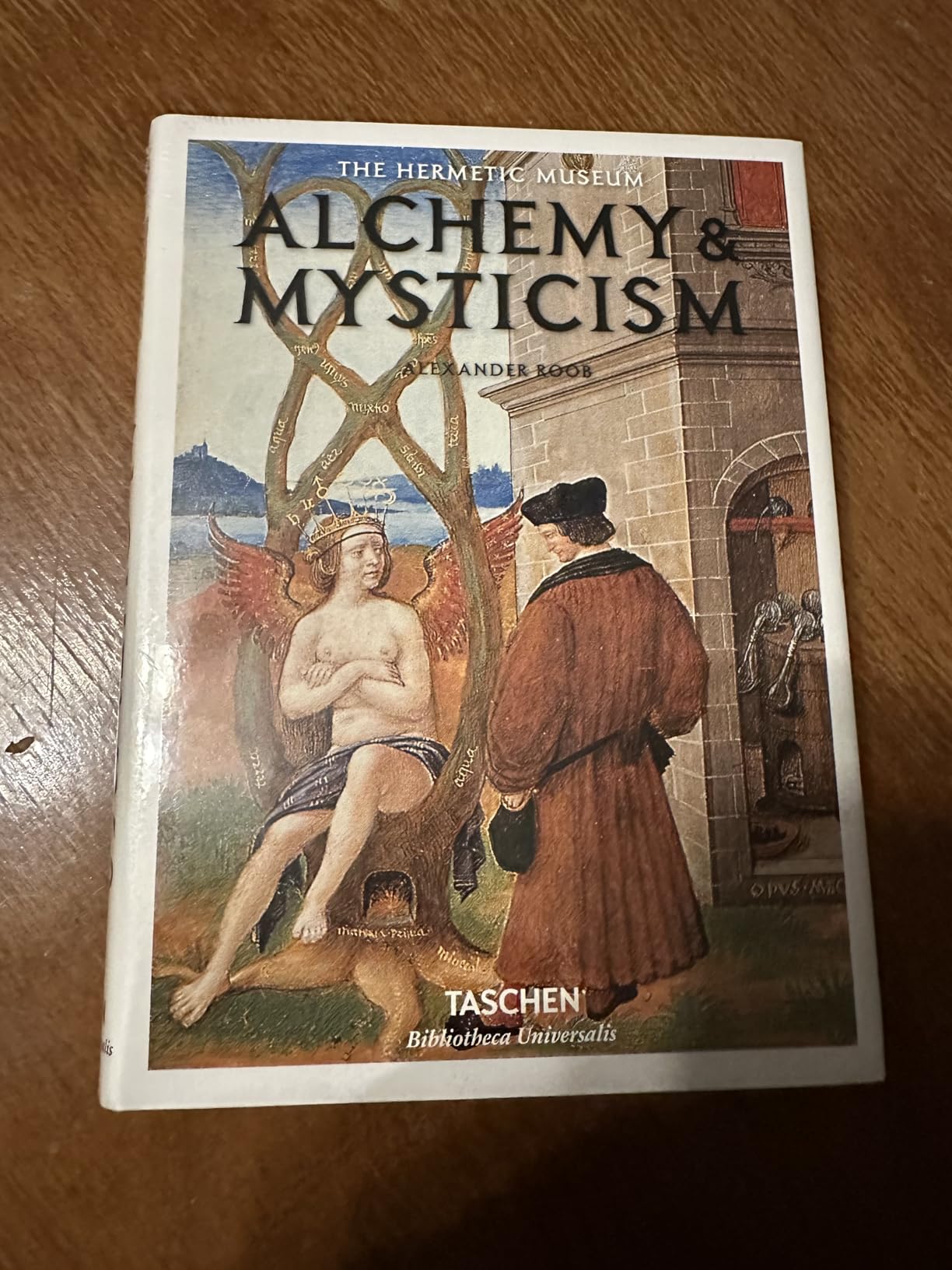
Alexander Roob’s Alchemy & Mysticism is the volume that surprised me most on this list. The Hermetic Museum series sits slightly outside Taschen’s standard art-book lines, focusing instead on esoteric imagery, mystical symbols, and alchemical manuscripts. At 575 pages, it runs longer than most Basic Art titles and rewards deep reading.
Reviewers describe it as “a beautifully produced compendium of esoteric imagery and Hermetic symbolism” and a “unique and inspiring collector’s volume.” The 4.8-star rating across 1,390 reviews confirms niche appeal. For collectors who want a volume that sparks conversation and breaks from mainstream art-history surveys, this is the strongest pick on the list.
Best use case
Collectors interested in esoteric symbolism, mystical art history, or anyone who wants a Taschen volume that stands apart from typical artist monographs. It also makes a striking display object given the dramatic imagery.
Who should skip it
Readers looking for a focused artist monograph. Alchemy & Mysticism covers dozens of historical movements rather than one artist’s catalog, which may frustrate buyers expecting a traditional survey.
8. Dalí (Basic Art) – The Surrealist Icon’s Affordable Survey
Pros
- Approachable introduction to Dalí's surrealist career
- Clean layout with vibrant reproductions
- Great value at the Basic Art price
- Informative commentary on influences and evolution
Cons
- Color reproduction slightly muted for budget price
- Large works sometimes wrap across the crease
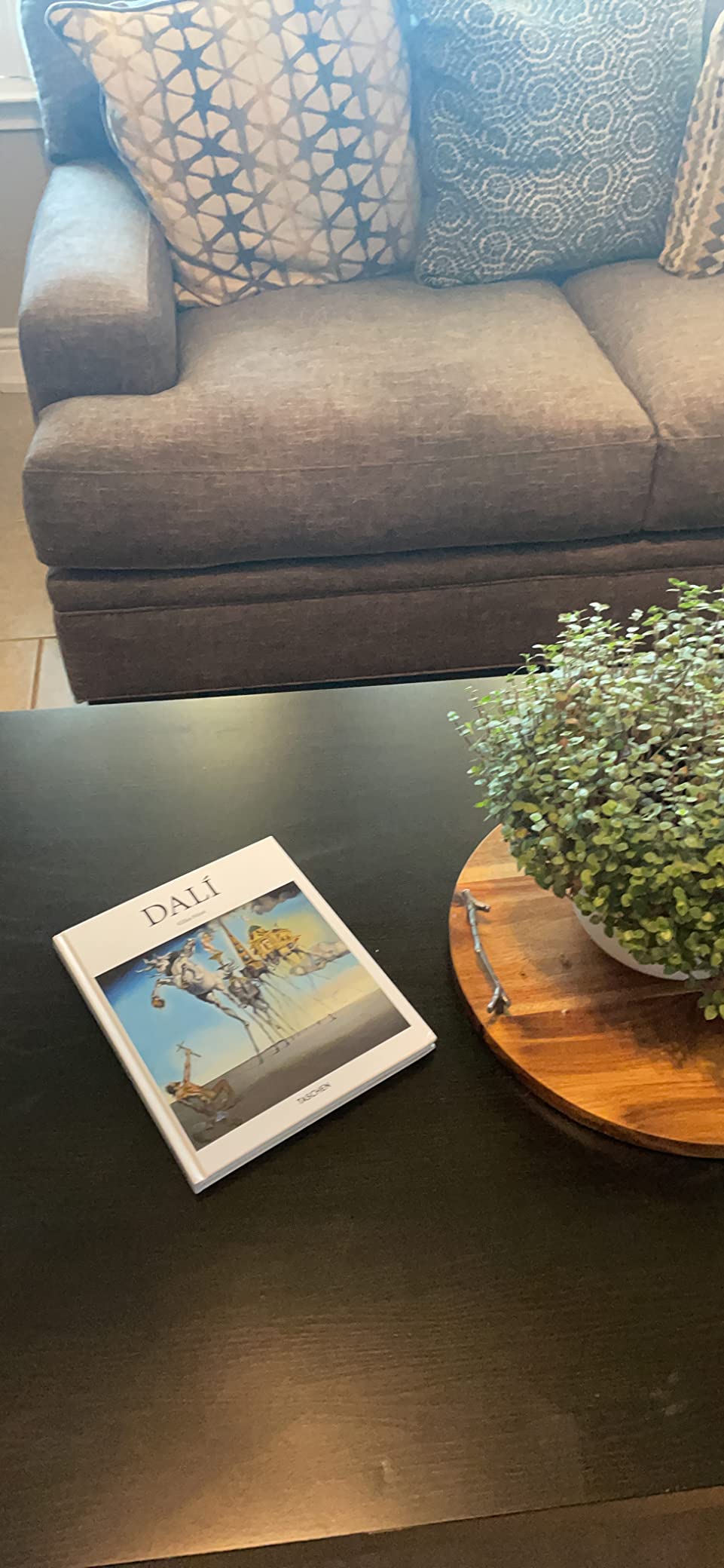
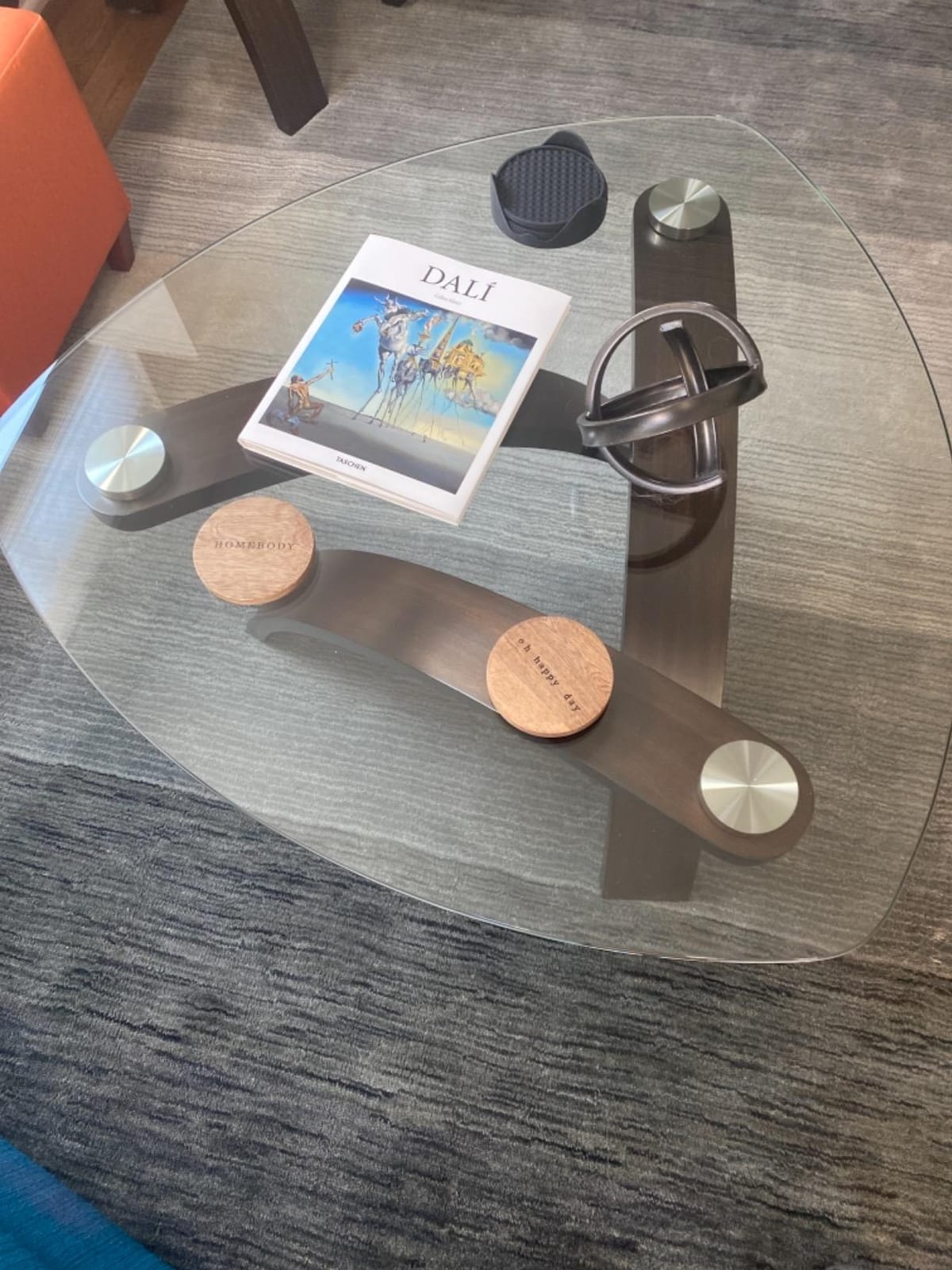
The Dalí Basic Art volume is the most gifted Taschen title I see in friend circles. Gilles Néret’s 95-page overview hits the surrealist essentials without overwhelming casual readers. Reviewers note this works well as “an excellent starter for the artist and a stylish addition to any art book collection.”
At 4.8 stars across 1,144 reviews, the Dalí Basic Art edition consistently ranks among the top-gifted Taschen titles. The compact 10 by 8-inch format and affordable entry tier make it ideal for newcomers who want a recognizable surrealist master on their shelf. The Basic Art pricing lets collectors build out a surrealist sub-library without major upfront commitment.
Best use case
Surrealist collectors at any budget tier, gift-givers shopping for art lovers, and anyone wanting a Dalí overview before investing in the larger XXL editions. The accessible format makes it ideal for a coffee-table debut.
Who should skip it
Collectors who want the most accurate color reproduction. Reviewers note the budget printing slightly mutes some of Dalí’s vivid palette, which matters when his work depends on saturated colors.
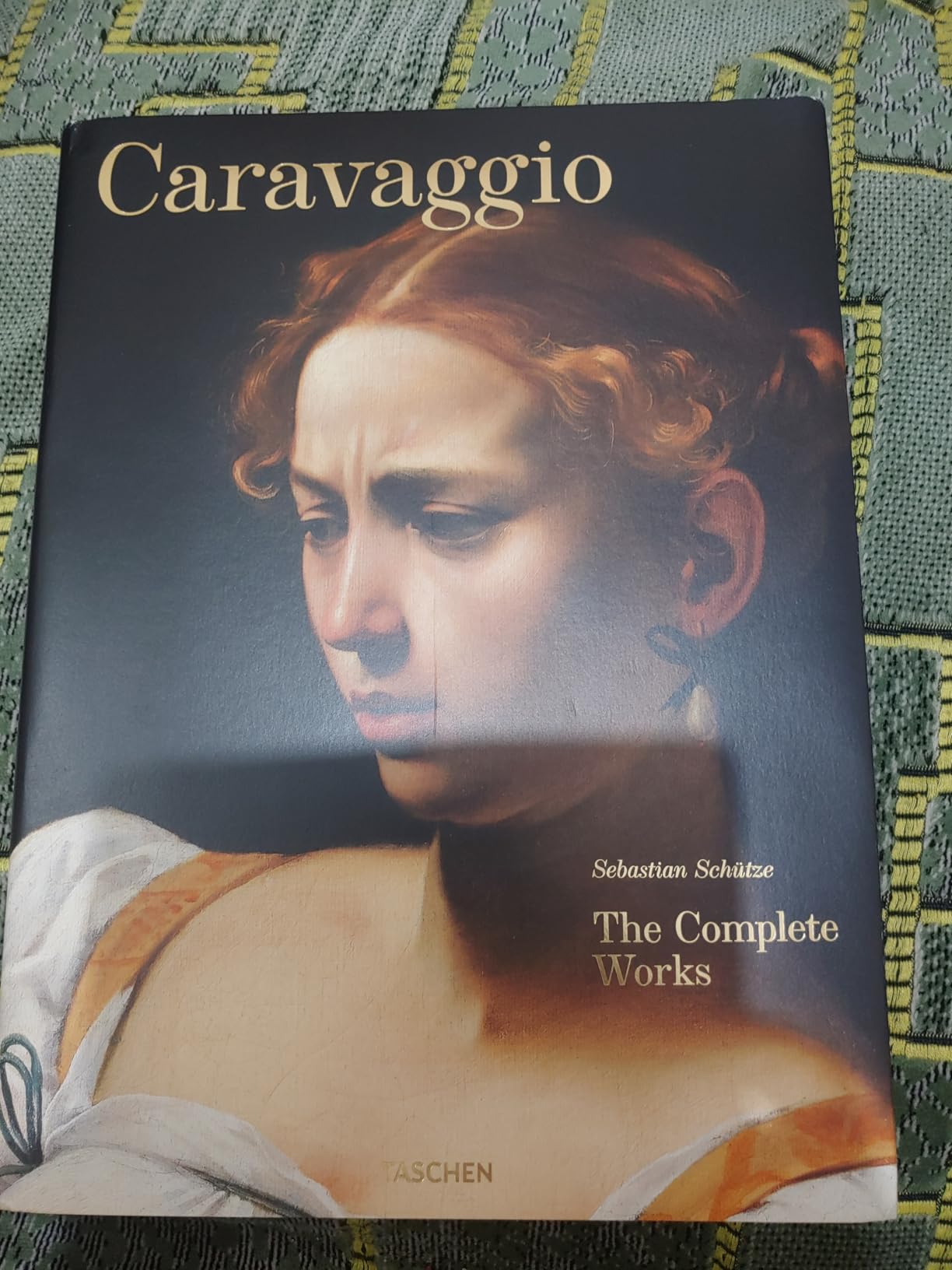
9. Caravaggio. The Complete Works 45th Ed. – The Baroque Heavyweight
Caravaggio. The Complete Works. 45th Ed. (45th Edition)
45th Anniversary Edition
511 pages
Author: Sebastian Schütze
Pros
- Definitive collection of Caravaggio's complete works
- Sharp newly photographed reproductions
- Includes 3-page fold-out displays
- Scholarly yet engaging commentary
Cons
- Smaller format than some buyers expect
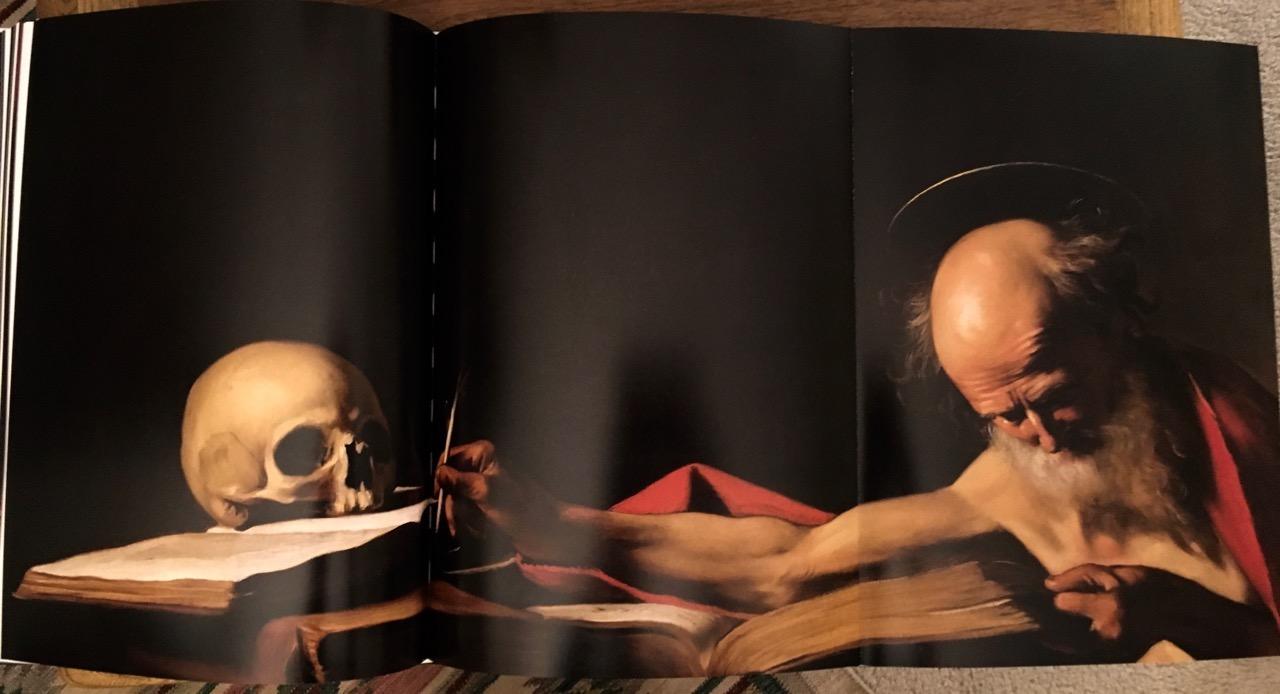
Sebastian Schütze’s Caravaggio monograph is my top pick for Baroque collectors. The 45th Anniversary Edition runs 511 pages with newly photographed plates that capture the chiaroscuro drama Caravaggio is famous for. Reviewers call this “a treasure for any art lover, citing beautifully organized presentation and striking image quality.”
The standout production feature is the inclusion of fold-out reproductions of major paintings. That’s unusual at this price tier and gives the volume a tactile edge over standard monographs. The 4.8-star rating across 1,028 reviews and the anniversary designation make this a stronger long-term hold than earlier Caravaggio editions from Taschen.
Best use case
Baroque art enthusiasts, art-history students who need a Caravaggio reference, and collectors who appreciate fold-out reproductions as a tactile feature. The 45th Anniversary designation supports long-term collectibility.
Who should skip it
Readers expecting a coffee-table-size Caravaggio. The format matches the other 45th Anniversary monographs on this list, which is more portable than oversized but lacks the wall presence of an XXL edition.
10. Pop Art (Basic Art) – The Movement Survey
Pros
- Stylish introduction to the Pop Art movement
- Affordable Basic Art series pricing
- Strong coffee-table appeal
- Contextual essays beyond just imagery
Cons
- Thin format with limited depth for serious study
Klaus Honnef’s Pop Art Basic Art edition is the volume I recommend when someone asks for a movement overview rather than a single-artist survey. The 95 pages cover Warhol, Lichtenstein, Hockney, and other Pop Art figures with contextual essays that go beyond image captions. At 4.7 stars across 1,064 reviews, the rating is slightly below other Basic Art titles but still strong.
The Basic Art format keeps the price accessible, and reviewers consistently call it “a fun, stylish Pop Art overview with strong imagery and accessible writing.” Pair this with the Warhol Basic Art volume below for a more complete Pop Art sub-library.
Best use case
Readers who want a single volume covering an entire movement rather than artist-by-artist coverage. The Pop Art survey makes a great coffee-table anchor for a contemporary art section.
Who should skip it
Collectors looking for depth on a specific Pop Art figure. The 95-page format necessarily sacrifices individual artist coverage for breadth.
11. Warhol (Basic Art) – The Pop Icon Companion
Pros
- Concise Warhol life and work overview
- Excellent price point for Basic Art editions
- High-quality image reproductions
- Ideal as introduction or gift
Cons
- Slim volume with limited in-depth analysis
The Warhol Basic Art volume is the most accessible entry point for collectors focused on a single Pop artist. Klaus Honnef’s 95-page essay covers Warhol’s Silver Factory period through his late portraits. The 4.8-star rating across 983 reviews confirms broad appeal despite the slim format.
Reviewers appreciate the “high-quality reproductions and informative text” that punches above the entry-tier price. At roughly half the weight of the larger anniversary monographs, this title fits well on small shelves and apartment-sized coffee tables.
Best use case
Pop Art collectors who want a dedicated Warhol volume without committing to a 500-page monograph. The accessible format makes it ideal for casual readers and gift-giving.
Who should skip it
Serious Warhol scholars who need archival depth. The Basic Art format prioritizes accessibility over comprehensive catalog coverage.
12. Hokusai (Basic Art) – The Japanese Master Introduction
Pros
- Accessible Hokusai overview
- Strong reproductions of iconic prints
- Affordable Basic Art format
- Great for Japanese art collectors
Cons
- Short length; not a comprehensive catalog
Rhiannon Paget’s Hokusai Basic Art edition rounds out the list as the strongest entry point for Asian art collectors. The 95 pages cover Hokusai’s long career including The Great Wave and his later landscape series. At 4.8 stars across 786 reviews, it earns consistent praise for image quality and accessible writing.
Reviewers appreciate this as “a well-produced, affordable introduction to Hokusai with strong imagery and clear, informative commentary.” The compact format and entry-tier pricing make it ideal for collectors building a global art library rather than focusing on European movements alone.
Best use case
Collectors branching beyond European art, fans of Japanese woodblock prints, and anyone wanting an accessible Hokusai reference before investing in larger survey volumes. The Basic Art format keeps the price approachable.
Who should skip it
Collectors who already own a comprehensive Hokusai catalog. The 95-page format necessarily covers highlights rather than the full corpus of his work.
Taschen Series Decoder: Basic Art vs. Bibliotheca Universalis vs. XL vs. Collector’s Edition
Understanding Taschen’s sub-series hierarchy is the single biggest advantage a new collector can have. The publisher runs a tiered system where each level signals different production values, page counts, and price points, which directly impacts resale value and display presence.
The Basic Art series is Taschen’s entry-level line, running 96 pages in a square hardcover format. These volumes focus on a single artist with concise scholarly essays and high-quality reproductions at an accessible price. They’re ideal starter titles and gift-friendly, but their compact format limits in-depth catalog coverage.
The Bibliotheca Universalis series moves into mid-tier with longer page counts (often 400-700 pages) in a compact rectangular hardcover. These volumes typically aim for comprehensive coverage of one artist’s catalog, with essays by established art historians. The Van Gogh and Monet volumes on this list are Bibliotheca Universalis editions.
The XL and XXL designations indicate oversized formats with museum-grade reproduction quality. XL volumes run several hundred pages in a roughly 10 by 13 inch footprint, while XXL editions can exceed 600 pages and 15 pounds. The 45th Anniversary editions like Basquiat and HR Giger sit at the XL tier.
Collector’s Editions represent Taschen’s highest tier, with numbered print runs (often 5,000-10,000 copies), slipcases, and signature bindings. These volumes command premium pricing and tend to appreciate strongest on the secondhand market. Spotting a numbered edition requires checking the copyright page for explicit edition numbering and the colophon for total print run.
Buying Guide: How to Choose Taschen Books Worth Collecting?
Start with your collecting intent before picking titles. If you’re building a foundational library at accessible prices, the Basic Art series offers the best value per title. The Van Gogh and Monet Bibliotheca Universalis volumes are stronger picks for collectors who want comprehensive artist coverage in a single hardcover. Anniversary editions (40th, 45th) signal higher production investment and stronger long-term resale potential.
Edition verification matters for resale. Check the copyright page for explicit edition numbering, ISBN, and print run information. First printings often carry subtle clues including specific copyright year notations, paper stock variations, and dust jacket details. Reviewers on r/taschen repeatedly emphasize documenting the edition at purchase to protect future resale value.
Format and weight shape how books display. Bibliotheca Universalis volumes at roughly 2-3 pounds fit standard bookshelves, while XXL editions over 10 pounds require reinforced shelving. The compact Basic Art and Bibliotheca Universalis formats are more versatile for renters and small-space collectors. Several Reddit collectors mention bowing shelves from oversized titles, so weight should factor into your buying decisions.
Where you buy affects both selection and pricing. Taschen.com carries the full current catalog with consistent descriptions. Amazon offers competitive pricing on most titles plus access to verified customer reviews. Museum shops (MoMA, Guggenheim, V&A) stock exclusive editions with harder-to-find slipcases. AbeBooks and Etsy are the strongest sources for out-of-print titles, where collectors sometimes find anniversary editions at notable markups.
Display and care deserve attention. Keep Taschen books away from direct sunlight to prevent fade on dust jackets and cover art. Maintain stable humidity (40-60%) to protect paper and bindings. Store oversized volumes flat rather than upright to prevent spine stress. Several forum collectors recommend archival mylar covers for the most valuable titles.
Frequently Asked Questions
What are Taschen’s most popular series?
Taschen runs four core series tiers. The Basic Art series covers single artists in a 96-page compact hardcover. Bibliotheca Universalis offers comprehensive artist catalogs in 400 to 700 pages. XL and XXL editions deliver oversized museum-grade reproductions. Collector’s Editions are numbered, often slipcased, and command the highest resale values.
Are Taschen books good quality?
Taschen consistently delivers high production values across its series, including thick paper stock, sturdy bindings, and sharp color reproduction. Basic Art volumes offer accessible entry points while XL and Collector’s Editions match museum publication standards. Reviewers on r/taschen and r/bookshelf rate the paper and binding quality highly for the price tier.
Do Taschen books hold their value?
Anniversary editions (40th, 45th) and out-of-print titles tend to appreciate on the secondhand market, sometimes reaching 2x to 5x retail for rare runs. Standard Basic Art and Bibliotheca Universalis volumes hold value less reliably since they remain in print. Document the edition and ISBN at purchase to protect future resale options.
Where is the best place to buy Taschen books?
Taschen.com carries the full current catalog with consistent descriptions. Amazon offers competitive pricing plus verified customer reviews. Museum shops like MoMA and Vu0026amp;A stock exclusive editions with harder-to-find slipcases. AbeBooks and Etsy are the strongest sources for out-of-print titles where collectors sometimes find anniversary editions.
What makes a Taschen book a collectible?
A Taschen volume becomes collectible through production cues including heavy paper stock, stitched binding, numbered editions, and slipcases. Anniversary editions (40th, 45th) carry stronger collectibility signals than standard printings. Out-of-print titles see the highest resale appreciation, particularly when cultural relevance continues to grow.
Final Verdict
The 12 best Taschen art books to collect in 2026 span every collecting tier and aesthetic preference. Our EDITOR’S CHOICE goes to Van Gogh. The Complete Paintings for its unmatched catalog depth and 4,000+ verified reviews. Build a foundational surrealist sub-library with the Dalí, Frida Kahlo, and HR Giger Basic Art titles, then graduate to anniversary editions as your collection matures. Whatever you pick, focus on editions you can verify, paper stock you can trust, and subjects you’ll still care about five years from now.