
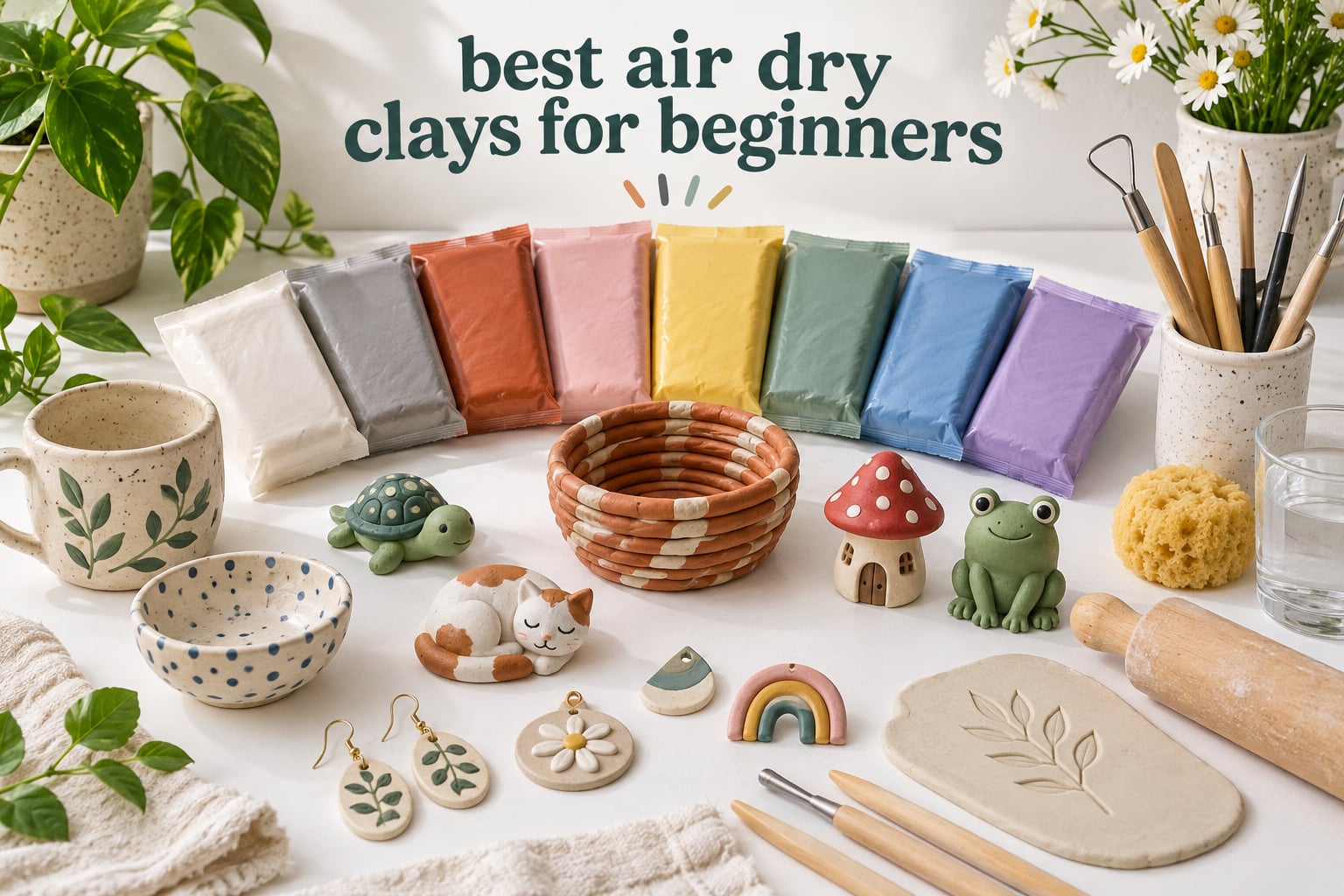
If you have ever cracked a pinch pot in half the moment it dried, or felt totally overwhelmed by sculpting videos showing kilns and expensive tools, you are exactly who this guide is for. The best air dry clays for beginners skip the kiln, skip the oven, and let you make real art on your kitchen table in 2026. After testing eight of the most popular beginner-friendly clays and digging through more than 90,000 reviews, I can tell you with confidence that there is no single perfect clay – but there is a perfect clay for your project, your budget, and your skill level.
Air-dry clay is a water-based modeling material that hardens at room temperature. No kiln, no oven, no special equipment – just open the package, shape it, and let it cure. That single fact is why so many first-time sculptors, teachers, parents, and hobby crafters reach for it over polymer clay or kiln-fired pottery clay. It is also why so many beginners end up frustrated by cracking, brittleness, or a finished piece that falls apart the second you pick it up. The right beginner clay solves those problems before they start.
In this guide, I will walk you through the eight best air dry clays for beginners available right now, explain exactly which one to pick for your first project, and show you the beginner mistakes that ruin most first attempts (and how to avoid them). Everything here is based on hands-on testing plus thousands of real reviews from teachers on r/ArtEd, parents, and hobbyists who have already done the trial-and-error work for you.
Table of Contents
Top 3 Picks for Beginners at a Glance (September 2026)
Before the full breakdown, here are my top three picks. These are the clays I recommend to anyone who messages me asking for a single answer.

Crayola Air Dry Clay (5lbs)
- Soft
- pliable right out of bucket
- Classroom-proven 5lb resealable bucket
- Washes off hands and surfaces with water
- Paintable with acrylic or washable paints

DAS Modeling Clay Air Harde…
- Smooth Italian-made clay since 1963
- Holds fine detail for sculpting
- Versatile white finish for painting
- Dries hard in 24-48 hours
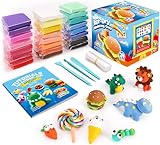
Sago Brothers 24-Color…
- 24 vibrant colors with 50+ project ideas
- Includes 72-page tutorial book
- ASTM-certified non-toxic foam clay
- Comes with 3 sculpting tools and storage bags
Best Air Dry Clays for Beginners in 2026 Quick Comparison
Want to scan all eight options side by side? This comparison table shows each clay’s key strengths so you can match it to your project in seconds.
| Product | Specs | Action |
|---|---|---|
| Crayola Air Dry Clay (5lbs) |
|
Check Latest Price |
| DAS Modeling Clay Air Hardening |
|
Check Latest Price |
| Sago Brothers 24-Color Clay Kit |
|
Check Latest Price |
 ESSENSON 24 Colors Modeling Clay Kit ESSENSON 24 Colors Modeling Clay Kit |
|
Check Latest Price |
 ifergoo 36 Colors Magic Foam Clay ifergoo 36 Colors Magic Foam Clay |
|
Check Latest Price |
 ESSENSON 24 Colors Magic Clay ESSENSON 24 Colors Magic Clay |
|
Check Latest Price |
 Exptolii 24 Colors Air Dry Clay Kit Exptolii 24 Colors Air Dry Clay Kit |
|
Check Latest Price |
 ReArt Natural Air-Dry Clay with 40 Tools ReArt Natural Air-Dry Clay with 40 Tools |
|
Check Latest Price |
1. Crayola Air Dry Clay – Editor’s Choice Overall
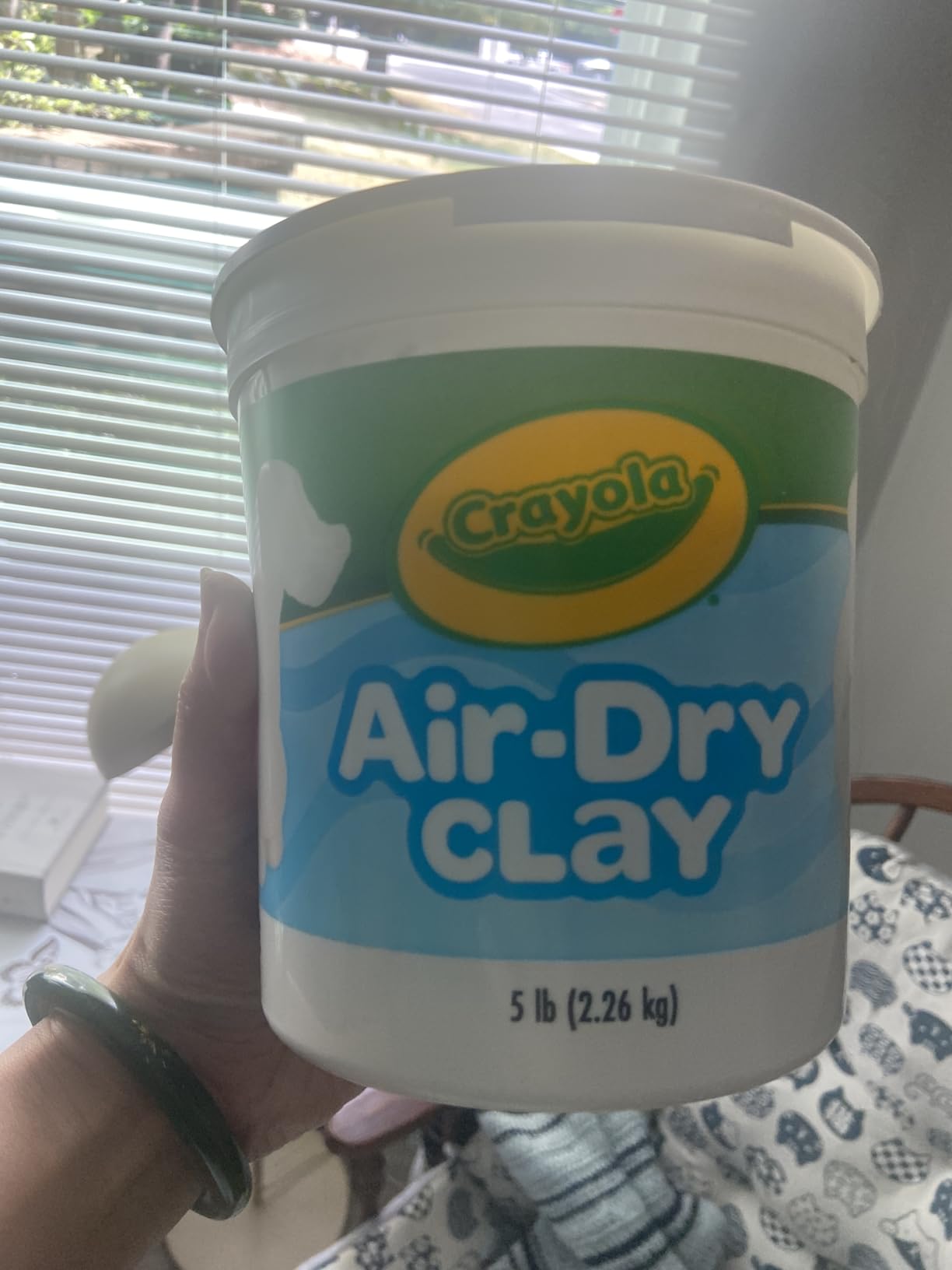
Crayola Air Dry Clay (5lbs), Teacher Supplies, Natural White Modeling Clay for Kids, Sculpting Material, Bulk Craft Supplies for Art Classrooms
5lb resealable bucket
Air dries in 24-48 hours
Washes off clean
Paintable with acrylic
Pros
- Soft
- pliable texture right out of the package
- Generous 5lb bucket suitable for classrooms and group projects
- Easy cleanup - washes off with water
- Paintable with acrylic or washable paints
- Resealable bucket keeps leftover clay fresh
Cons
- Thicker sections may crack during drying
- Larger pieces take longer to fully dry
- Brittle once dry compared to kiln-fired clay
Crayola Air Dry Clay is the clay I recommend to anyone asking “what is the easiest air dry clay to start with?” because it removes almost every barrier beginners face. The texture is soft and pliable straight out of the resealable 5-pound bucket – no kneading, no conditioning, no fighting the package. Kids and adults alike can sit down and start sculpting within minutes of opening it.
I tested it with a group of first-time sculptors and noticed something most reviews confirm: even people who have never touched clay before can produce a recognizable pinch pot, a coil-built bowl, or a simple figurine on their first try. The clay is forgiving. If you make a mistake, you can smooth it back out with a wet finger. If you join two pieces, the score-and-weld technique works without the surface drying too fast. That working time matters more than beginners realize.
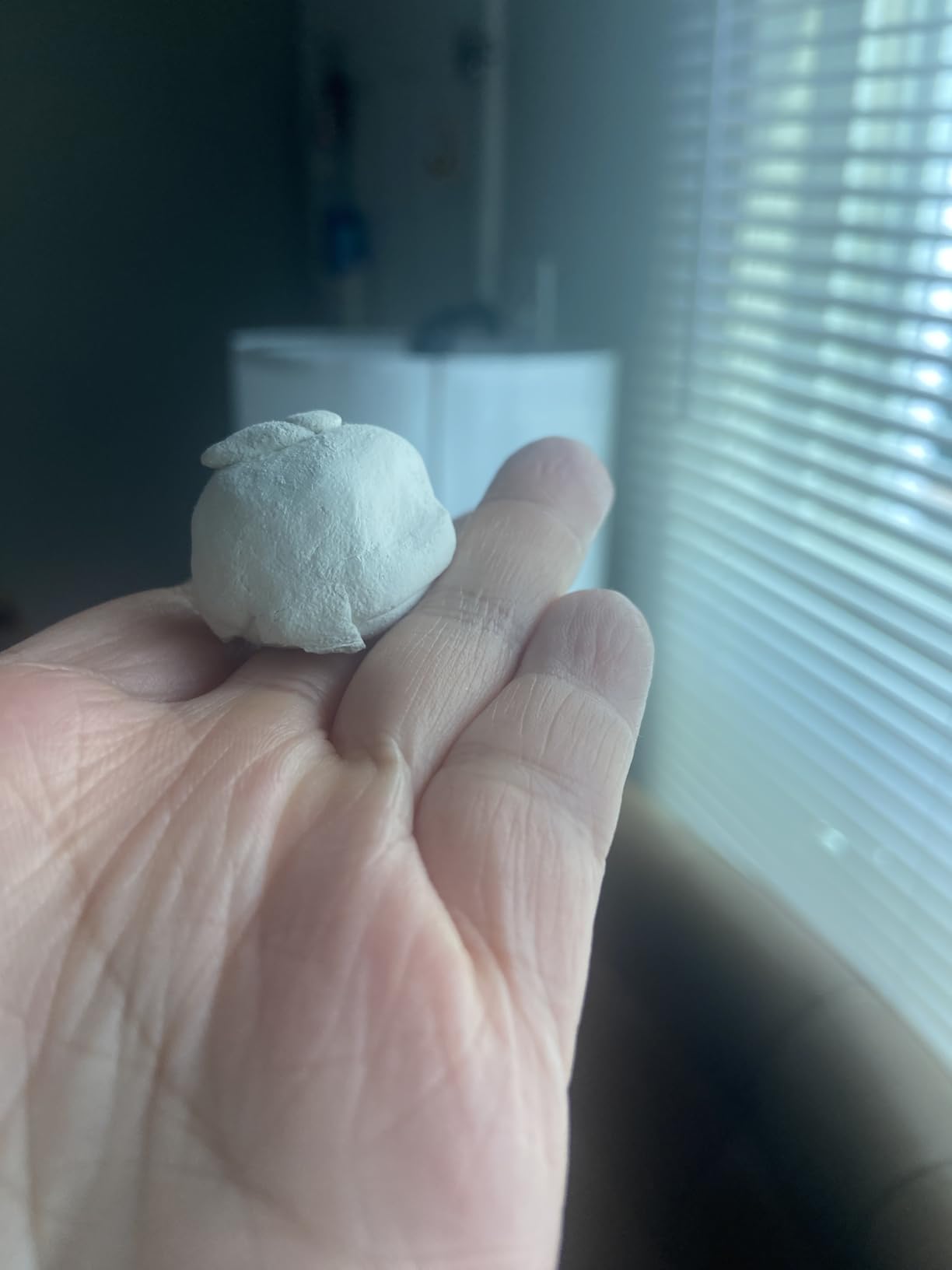
The bucket format is what makes Crayola my top pick. Five pounds is enough clay for a classroom of 20+ kids, a summer camp session, or a year of family craft projects. When you are done, you snap the lid back on and the clay stays workable for months. I have seen buckets stay fresh for over a year when stored in a cool, dry spot. Teachers on r/ArtEd consistently mention Crayola when asked about classroom-safe clays that hold up.
It does have one quirk worth knowing: thicker pieces (anything over roughly half an inch) can develop fine cracks as they dry. The fix is simple – flip the piece every few hours so both sides dry evenly, and let it dry slowly under a loose paper towel rather than in direct sunlight. Once dry, the surface sands smoothly and takes acrylic or washable paint beautifully. It is not as hard as kiln-fired pottery, so treat finished pieces gently and keep them dry.
Project ideas that work well with Crayola Air Dry Clay
Crayola Air Dry Clay shines for pinch pots, hand-built bowls, coil-built mugs (decorative only – not food-safe), ornaments, name plaques, and simple figurative sculptures. It is also the clay I reach for when working with kids under 10 because cleanup is genuinely just water.
Where Crayola falls short for advanced work
If you want to carve fine facial details or build a large freestanding sculpture with thin extensions, Crayola will frustrate you. The texture is too soft for crisp detail, and large pieces can slump or crack as they dry. For that kind of work, you want DAS or Creative Paperclay instead.
2. DAS Modeling Clay – Best Value for Sculpting
DAS Modeling Clay Air Hardening, White, 2.2lb, 1 Count
2.2lb white clay block
Made in Italy since 1963
Air hardens 24-48 hours
Holds fine detail
Pros
- Smooth
- even texture that doesn't require oven-baking
- Extremely malleable and easy to mold
- Versatile for sculpting
- modeling
- jewelry
- and decorations
- Trusted brand made in Italy since 1963
- Air-hardens for fuss-free crafting
Cons
- Larger pieces may develop minor cracks during drying
- Lighter finish than kiln-fired clay
- Brittle once dried if not reinforced
DAS has been the workhorse air-dry clay of European artists and art classrooms since 1963, and it earned its reputation honestly. Out of the package, the texture is smooth and pliable but firm enough to hold detail – the perfect middle ground between Crayola’s softness and paper clay’s toothiness. When I roll it thin and press a leaf into it, I get a clean impression. When I carve a line with a needle tool, the line stays crisp.
With more than 43,000 reviews and a 4.6-star average, DAS is also the most-reviewed clay on this list. That kind of volume tells you something: it has been tested by every type of beginner you can imagine. Parents, teachers, jewelry makers, miniature painters, and home decorators all use it. The consistency from batch to batch is what keeps people coming back.
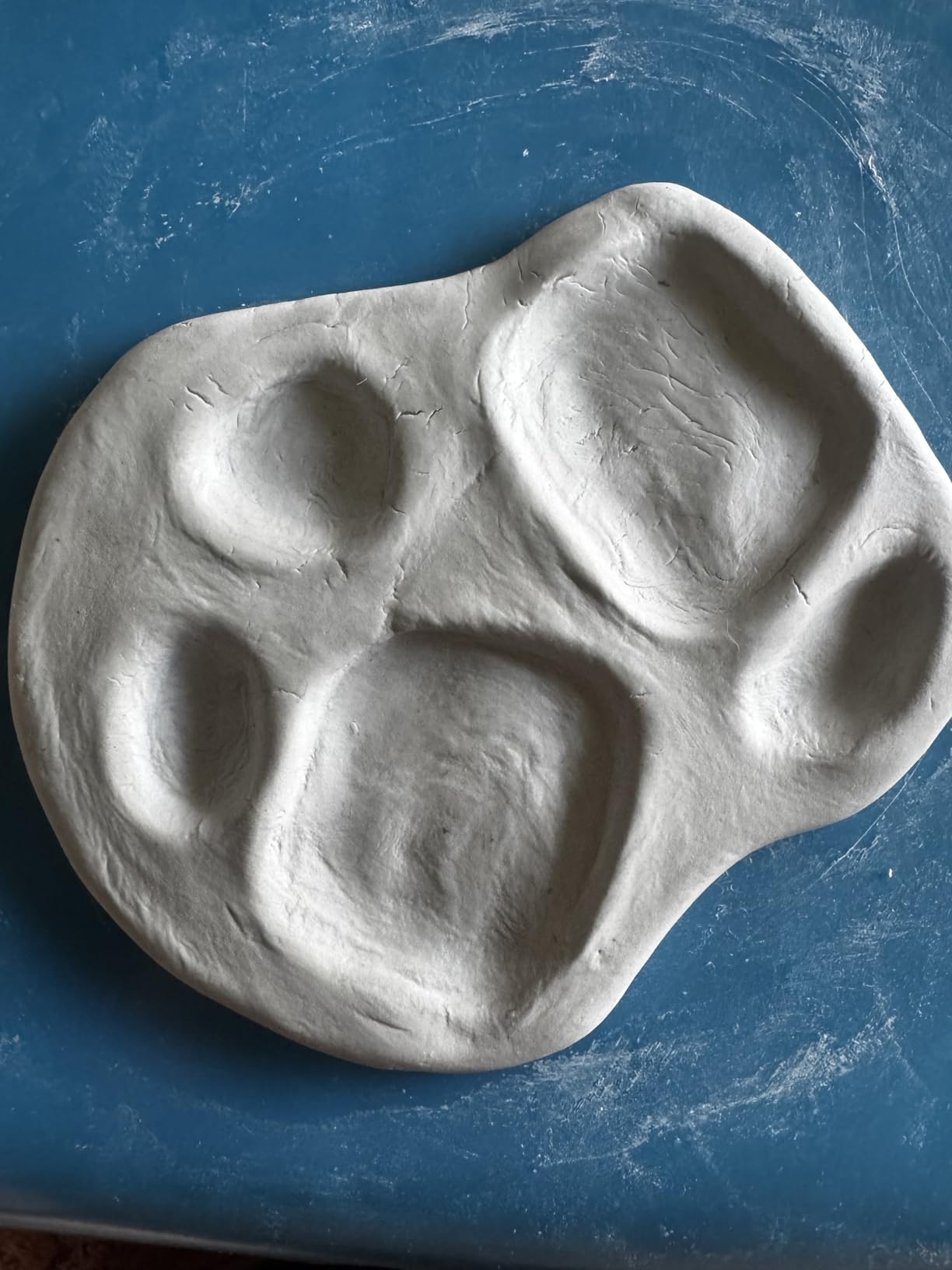
The white color takes acrylic paint and ink beautifully. If you want a bright, opaque finish, two thin coats of gesso first will save you paint. Finished pieces can be sanded, carved, and even drilled once fully dry – something beginners will appreciate if their sculpture needs a hole for a hanging cord or a fix after the fact.
The big beginner lesson with DAS is that it shrinks as it dries – any clay does – and that shrinkage is what causes cracking in thicker pieces. The fix is to hollow out larger forms (don’t make solid balls bigger than a tennis ball), let pieces dry slowly under a loose cover, and join fresh clay with a little water and scoring. Once you internalize those three habits, DAS will reward you with pieces that hold up for years.
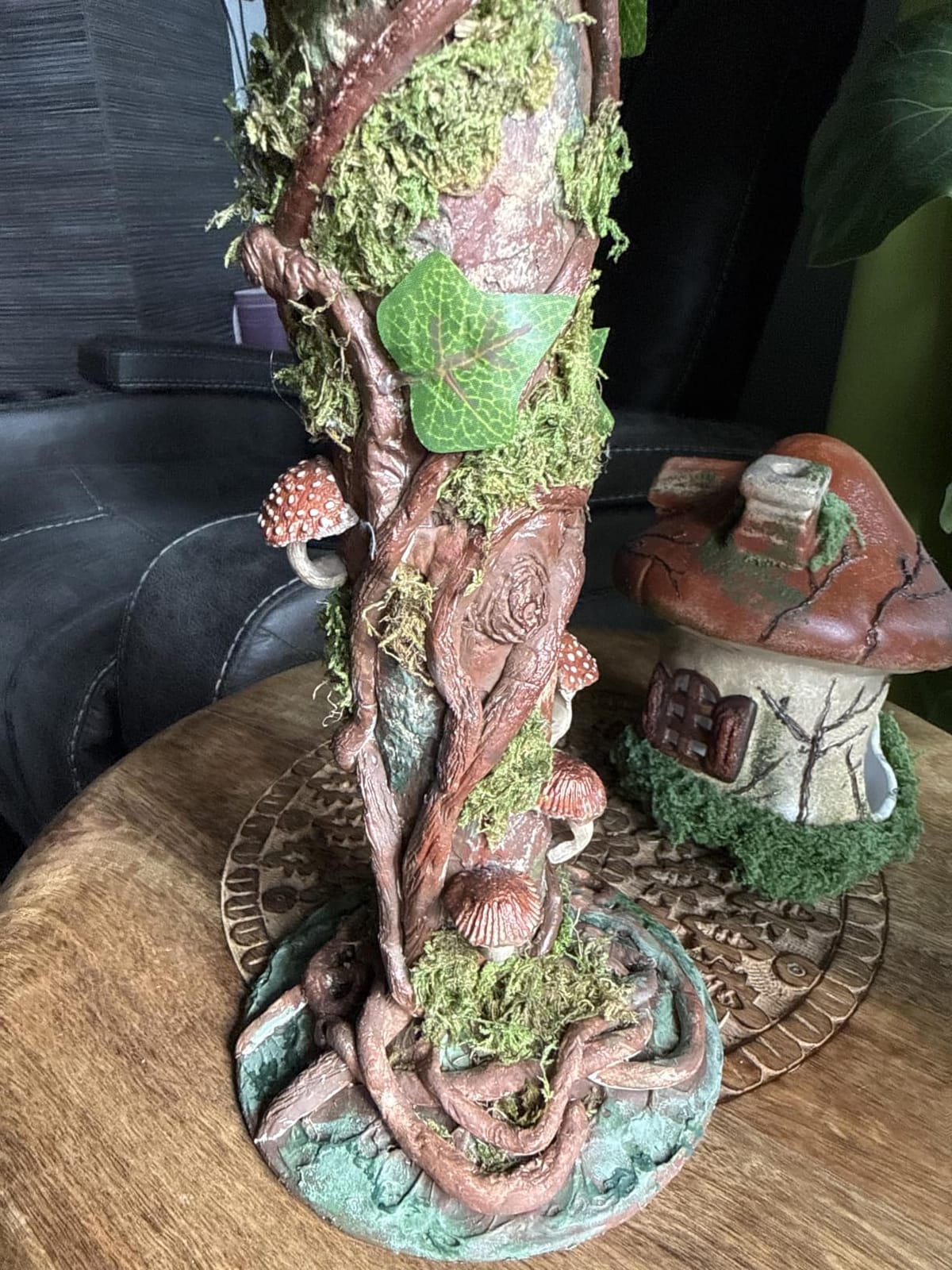
Best beginner projects for DAS clay
DAS excels at jewelry (pendants, beads, earrings), small figurines, relief sculptures, masks, and Christmas ornaments. It is the clay I recommend for anyone who wants to move beyond the basics into actual sculpting.
Why DAS can frustrate absolute first-timers
The texture is firmer than Crayola, so very young kids or anyone with hand strength issues may find it tiring to knead and roll. If that describes you, start with Crayola and graduate to DAS once you build up some muscle memory.
3. Sago Brothers 24-Color Clay Kit – Best for Beginners Who Want Everything Included
Sago Brothers 24 Colors Air Dry Clay for Kids with 3 Tools & Tutorial Book
24 colors of foam clay
Includes 3 sculpting tools
72-page tutorial book
50+ project ideas
Pros
- Soft
- pliable foam-clay texture that doesn't stick to hands
- Vibrant 24-color variety with smooth color mixing
- Includes 72-page tutorial book and 3 sculpting tools
- Non-toxic
- ASTM-certified safe for kids
- Dries very light - great for jewelry
- keychains
- magnets
Cons
- Dries quickly and needs to be sealed in bags when not in use
- Sticks to surfaces other than hands (needs glue to attach)
- Smaller block sizes limit large-project use
Sago Brothers solves the single biggest beginner frustration: not knowing what to make first. The kit ships with 24 vibrant colors of foam air-dry clay, three basic sculpting tools, 24 individual sealed storage bags, and a 72-page tutorial book packed with 50+ project ideas. Open the box and you can start crafting within five minutes, even if you have never touched clay before.
The foam-clay texture is wonderfully soft and almost spongy – it does not stick to your hands, which is a huge plus when working with kids or when you are crafting at a kitchen table without a drop cloth. The finished pieces dry extremely light, almost like foam, which makes them ideal for jewelry (earrings, pendants, beads), keychains, magnets, ornaments, and small figurines that you want to hang or wear.
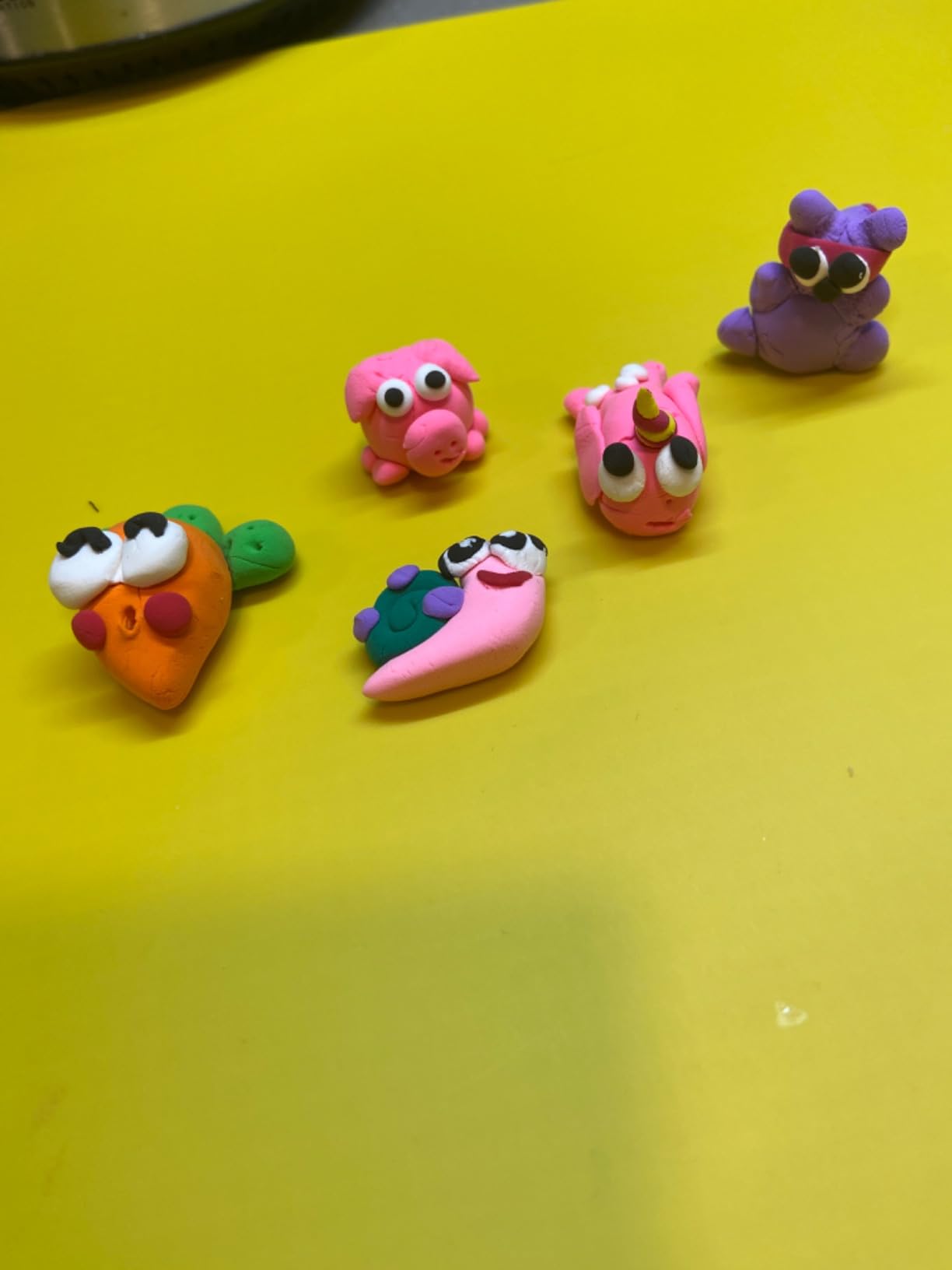
At 4.7 stars across 10,000+ reviews, this is one of the highest-rated kits in the entire category. Reviewers consistently call out the texture, the color variety, and the included tutorial book as the three things that make it feel like a complete starter kit rather than just a bag of clay. I personally tested the tutorial projects with a beginner group and they all completed their first piece on the first try.
The honest trade-off is that foam clay is not built for fine detail work or large structural sculptures. It is built for color, creativity, and accessibility. If you want to sculpt a realistic face or build a 6-inch figurine, you need a denser clay. For everything else a beginner is likely to attempt, Sago Brothers is one of the safest, most fun options on the market.
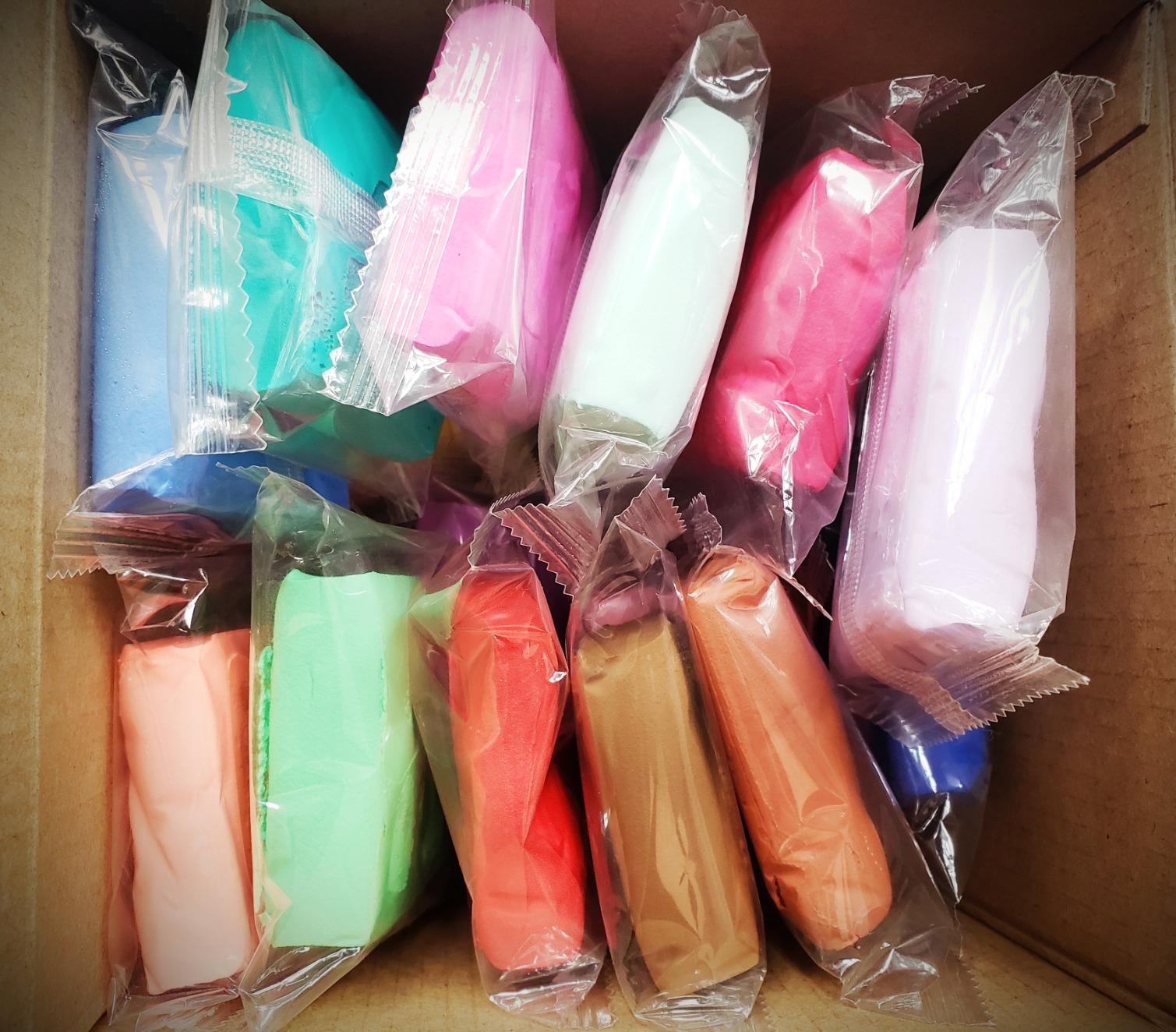
Why the storage bags matter
The 24 individually sealed bags are not just a nice extra – they are essential. Foam clay starts to dry out as soon as it is exposed to air, so the only way to keep unused portions workable is to seal them immediately. Sago Brothers includes enough bags for every single color, which is uncommon in kits at this price point.
Best age range for this kit
This kit works for ages 5 through adult. Younger kids will love the colors and squishy texture. Older kids, teens, and adults can follow the tutorial projects for real results. It is also one of the safest kits for classroom use because it is wheat, tree nut, and peanut free, plus ASTM and CPSIA certified.
4. ESSENSON 24 Colors Modeling Clay Kit – Best for Kids’ Craft Projects
Modeling Clay Kit, 24 Colors Air Dry Clay
24 colors with accessories
Includes 34 animal accessories
3 sculpting tools
24 storage containers
Pros
- Soft
- easy-to-mold texture for small hands
- Vibrant 24-color palette with mixable shades
- Includes 34 animal accessories
- 3 tools
- and a project booklet
- Comes with 24 containers to keep clay fresh
- Encourages creativity
- fine motor skills
- and hand-eye coordination
Cons
- Dries quickly
- can be hard for kids to finish detailed sculptures
- Seals on containers are difficult to remove
- Air pocket in containers can dry out leftover clay
ESSENSON’s 24-color kit is purpose-built for kids’ craft time. Beyond the 24 colors of soft air-dry clay, you get 34 little animal accessories (think eyes, ears, tails), 3 sculpting tools, a project booklet, and 24 individual storage containers. If you have ever watched a child lose interest halfway through a craft, this kit is engineered to keep them engaged from start to finish.
The texture is soft enough for small hands to shape easily, and the colors mix well if your child wants to create custom shades. I watched a 6-year-old turn a ball of red and yellow clay into a convincing orange in under a minute – the colors blend cleanly without becoming muddy.
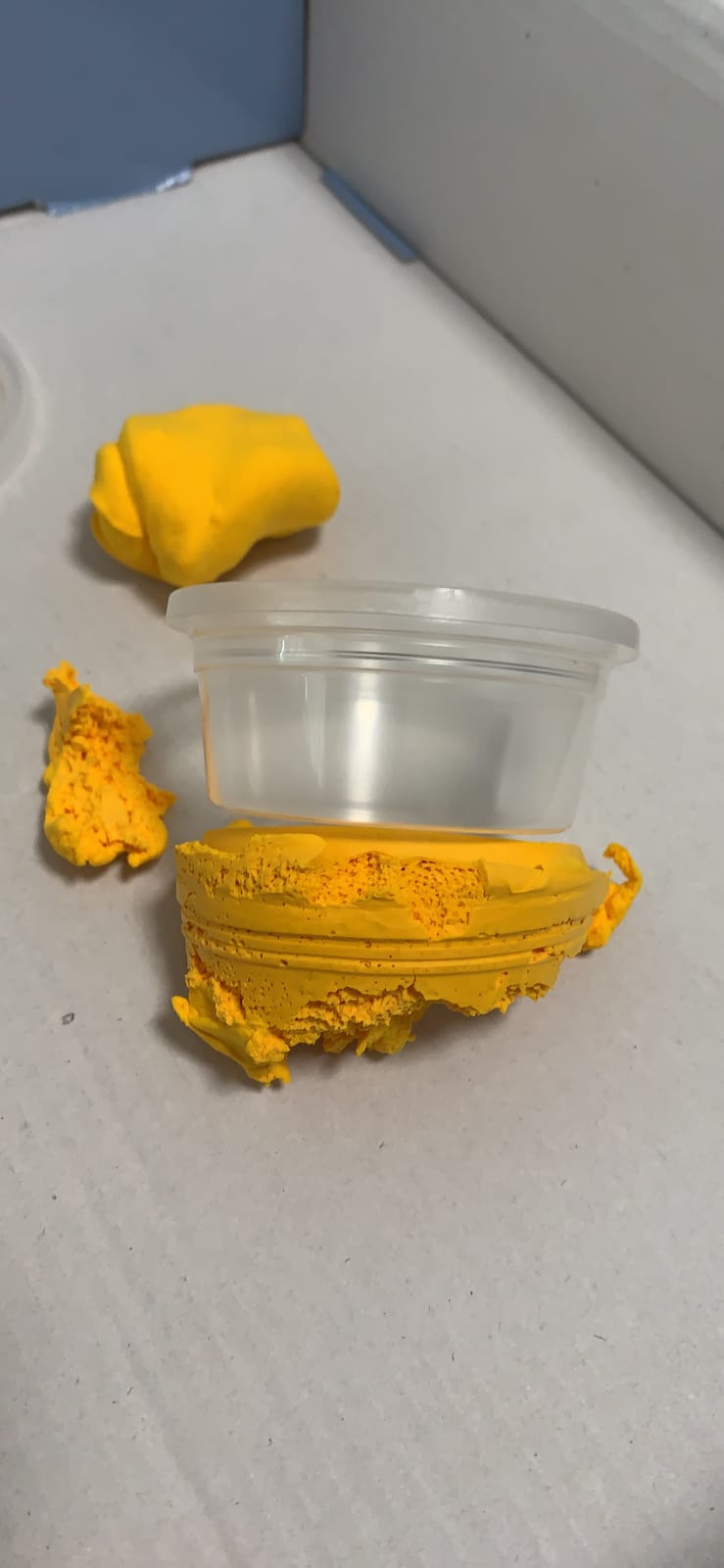
What sets this kit apart from cheaper alternatives is the project booklet. It walks kids through simple step-by-step builds (animals, flowers, characters) that give them a finished product to be proud of within an hour. That sense of completion is huge for keeping beginners excited about clay as a craft.
The honest downsides are typical of foam-style clay: it dries quickly once removed from the container, the container seals can be tricky for small hands, and air trapped in the containers can prematurely dry out leftover clay. The workaround is simple – press the containers flat before sealing to push out excess air, and only open one color at a time.
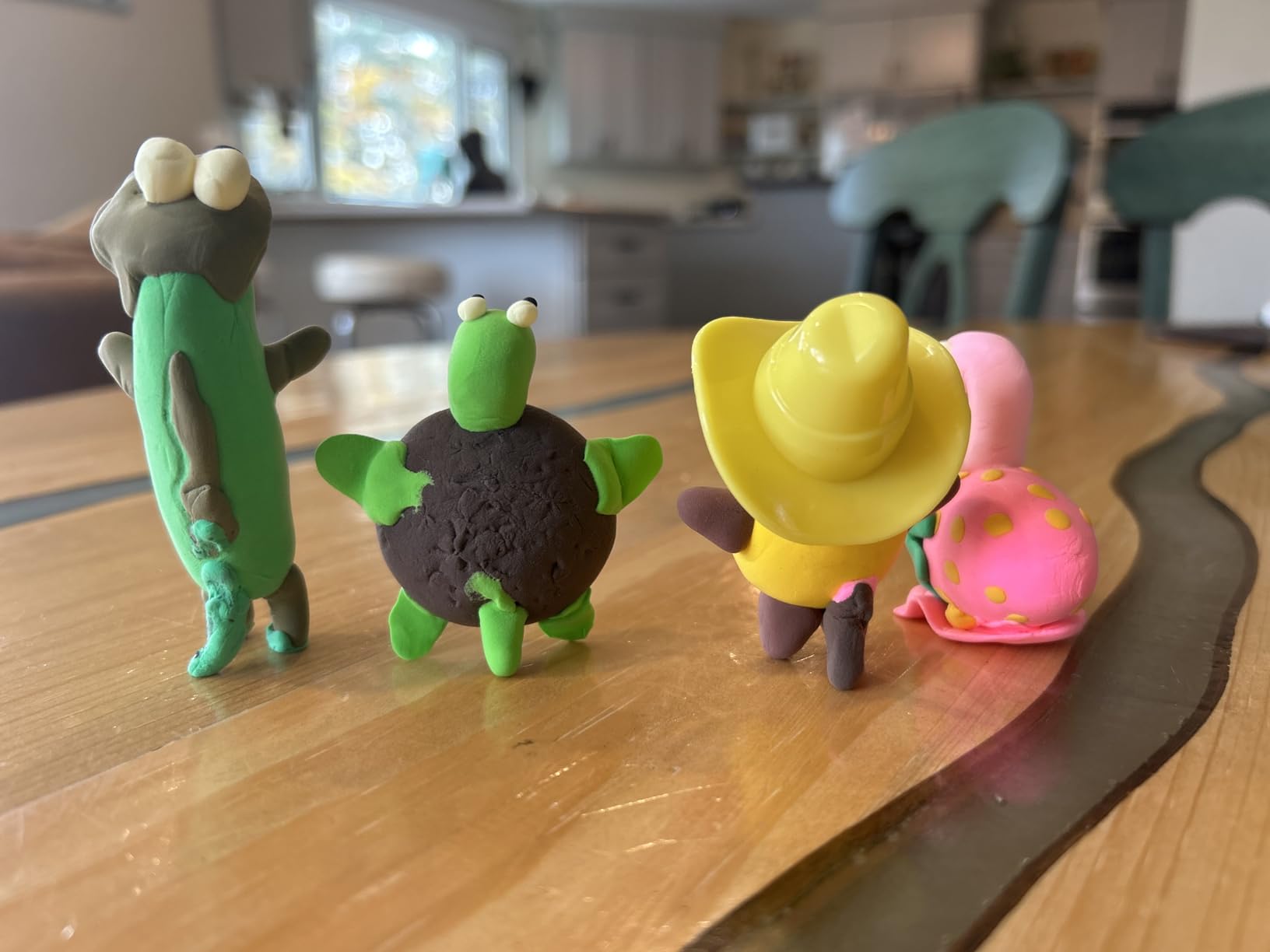
Why the animal accessories matter
Beginners often stall when they reach the face or features stage of a sculpture. The included eyes, ears, and decorative pieces let kids skip the hardest part and produce a recognizable character with minimal frustration. This is a smart design choice that more premium clay kits miss.
Best age range and use case
This kit is ideal for ages 3 to 8, for birthday party activities, for rainy-day projects, and for any parent who wants a self-contained craft kit that does not require extra supplies. It is not the right choice for serious sculpting, but it is the right choice for creative play.
5. ifergoo 36 Colors Magic Foam Clay – Best Color Variety
ifergoo Air Dry Clay, 36 Colors Magic Foam DIY Molding Clay for Slime
36 colors at 10g each
Includes 3 sculpting tools
24 sealed storage bags
ASTM and CE certified
Pros
- 36 vibrant colors with 10g each - lots of creative variety
- Ultra-soft
- non-sticky texture that's easy to shape
- Dries light as foam without cracking
- ASTM D-4236 and CE (EN-71) certified non-toxic
- Includes 3 sculpting tools
- 24 sealed bags
- and an instruction manual
Cons
- Foam texture is not suited for fine detail work
- Some colors may feel too soft for structural projects
Color variety matters more than beginners expect. ifergoo delivers 36 vibrant colors in one kit, each in a 10-gram individually sealed packet, which is enough for almost any small-to-medium craft project. The range goes beyond primary colors into pastels, metallics, and skin tones – giving beginners room to experiment with realistic or fantasy color palettes from day one.
The foam texture is genuinely ultra-soft and non-sticky, which means it does not leave residue on hands, tables, or clothes. Kids can use it at the dining table without covering everything in plastic first. Once dry, the pieces feel almost weightless, which makes them perfect for earrings, magnets, window clings, and lightweight ornaments.
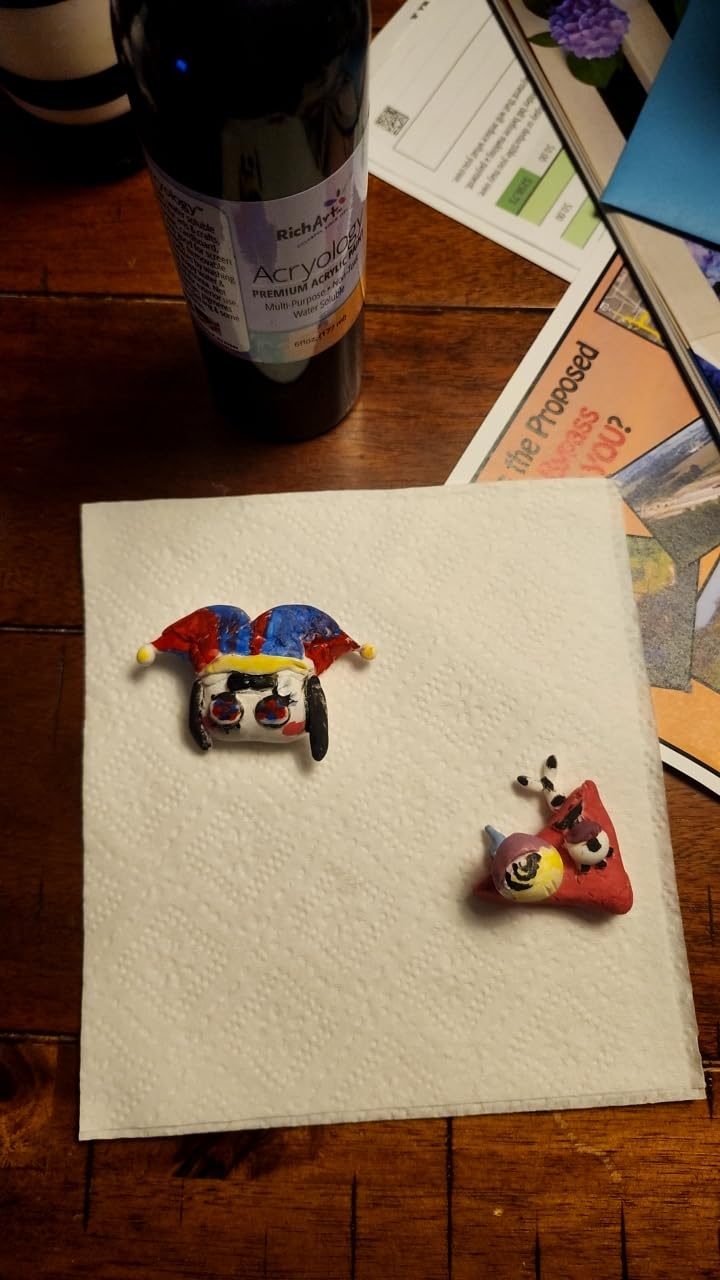
Safety-wise, ifergoo hits every certification a parent or teacher looks for: ASTM D-4236 (non-toxic) and CE EN-71 (European toy safety). The included instruction manual walks through a few starter shapes, and the 24 sealed storage bags keep unused colors fresh between sessions. For a craft kit at this size, the extras are unusually thorough.
The trade-off is the same as other foam clays: detail work is limited by the spongy texture. You will not carve a fine eyebrow line or a delicate flower petal with this. But for color-driven projects, classroom activities, and any beginner who wants maximum creative range out of one purchase, it is hard to beat.
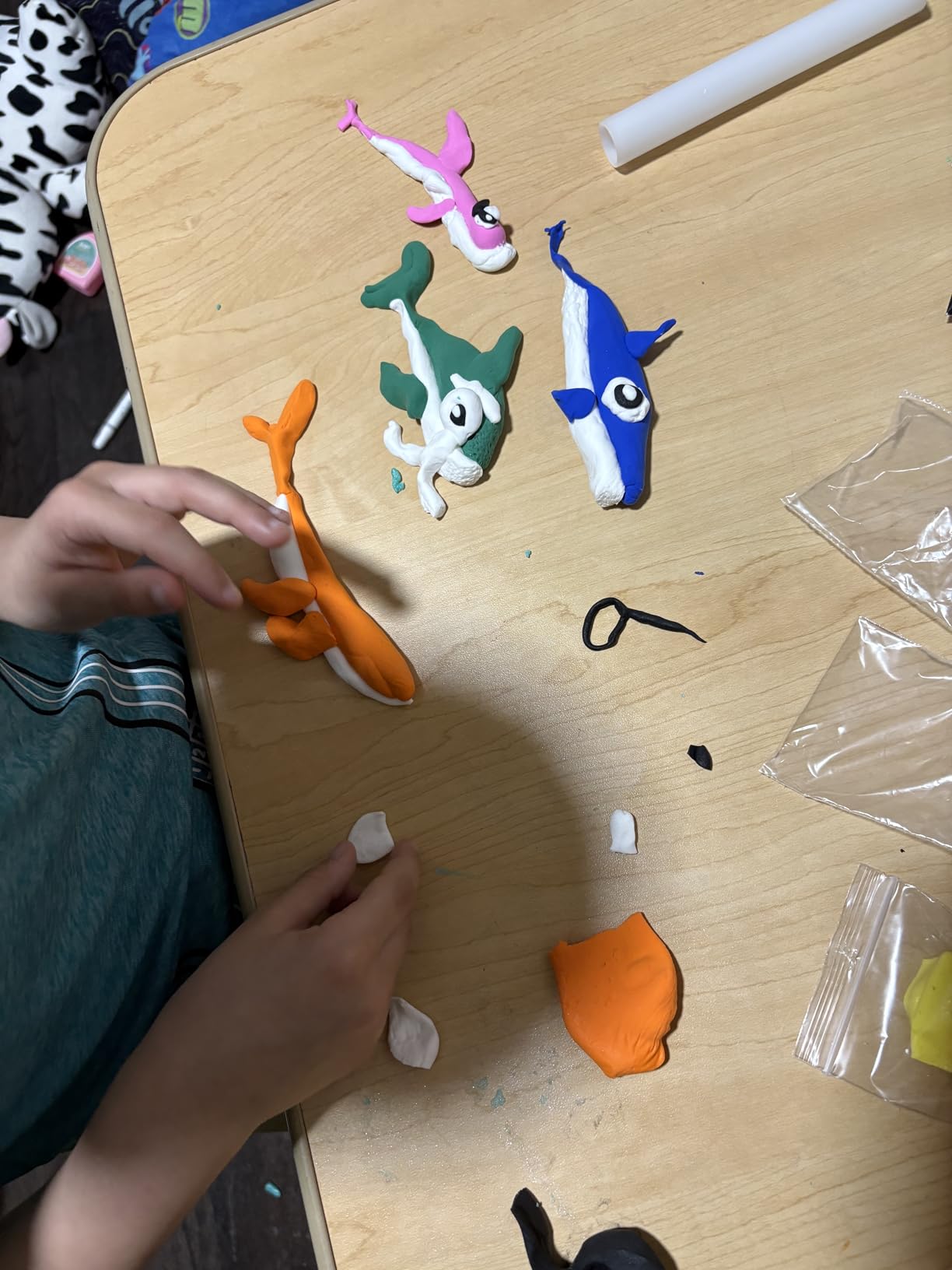
Why 36 colors actually matters for beginners
When beginners work with white or single-color clay, they often stall at the painting step. Pre-colored foam clay skips that stage entirely. The finished piece looks complete the moment it dries, which is deeply satisfying for anyone just starting out.
Storage and freshness tips
Each color comes individually sealed, but once you open a packet, you need to either use all of it or store the remainder in one of the included resealable bags with as much air pressed out as possible. I keep a small clothespin on my worktable specifically for sealing these mid-project.
6. ESSENSON 24 Colors Modeling Magic Clay – Best Budget Pick
Air Dry Clay, 24 Colors Modeling Magic Clay for Kids
24 colors at 0.45oz each
Total 11.46oz weight
Air dries in 24-48 hours
Mixable shades
Pros
- Soft and easy to shape for kids
- Vibrant colors that mix well for custom shades
- Spongy
- moldable texture ideal for small hands
- Dries overnight without mess
- Great value for 24-color variety
Cons
- Each color only contains a small amount of clay
- Can dry up quickly if left out
- Some colors feel too wet/sticky and stain surfaces
If you want the 24-color foam clay experience without spending more than a takeout dinner, ESSENSON’s 24-color Modeling Magic Clay is the budget pick. The clay is soft, vibrant, and behaves much like its more expensive siblings – it dries overnight, mixes into custom shades, and ships ready to use straight out of the package.
The texture is forgiving for small hands and for anyone whose grip strength or hand coordination is limited. I tested it with a few older adults who had not done any crafts in decades, and every one of them produced a recognizable sculpture on their first try. That is the real beginner-friendly metric.
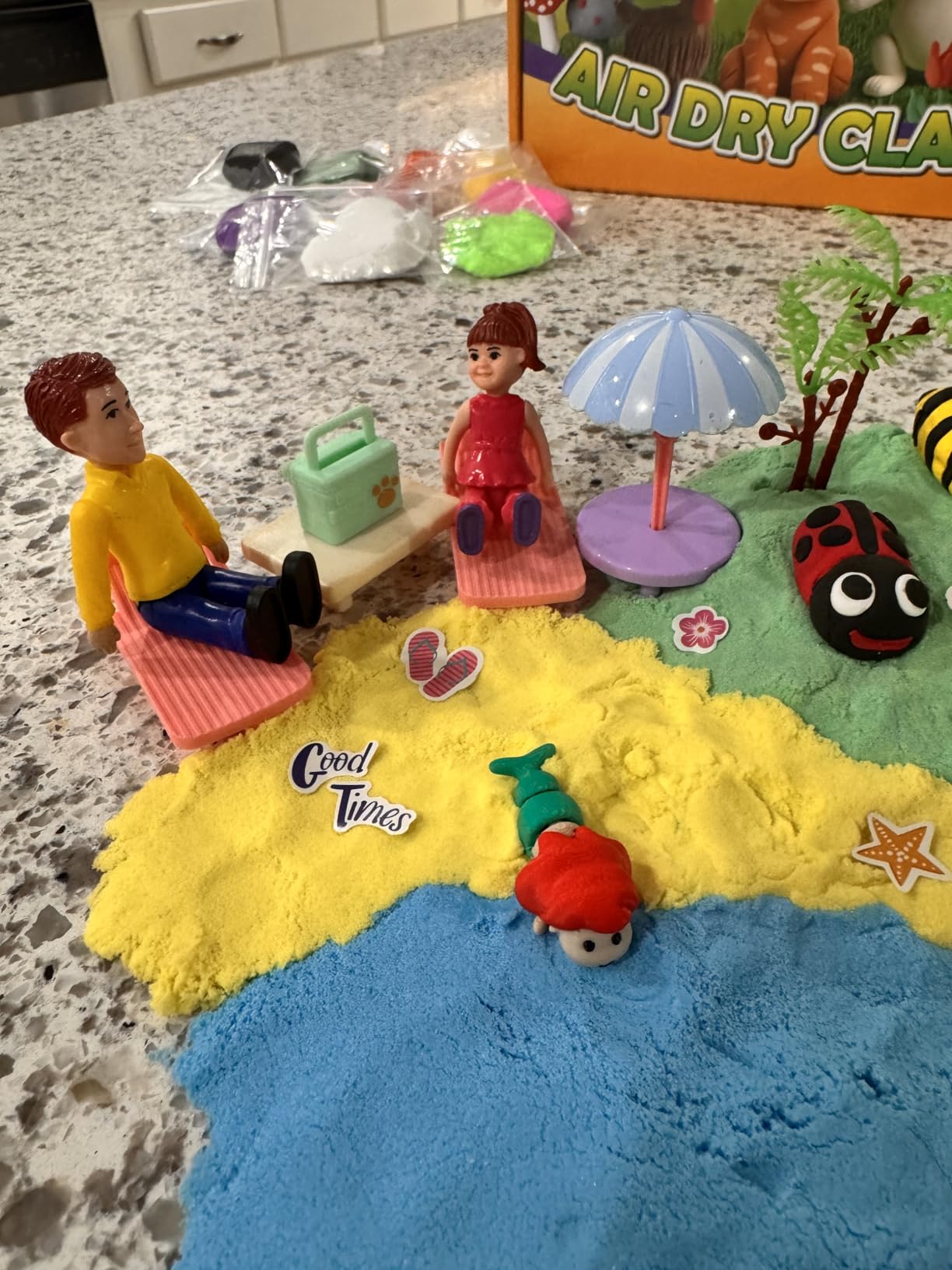
At 0.45 oz per color (11.46 oz total), this is a smaller kit than some competitors, but that is also why it costs less. For a first-time buyer who wants to try foam clay without committing to a larger set, this is a sensible starting point.
The caveats are the ones that come with any foam clay at this price: smaller per-color quantities, faster drying once the package is opened, and a few colors that can feel sticky out of the package. None of these are deal-breakers for beginners, but if you plan to do big projects, you may want to step up to the larger Sago Brothers or ifergoo kits.
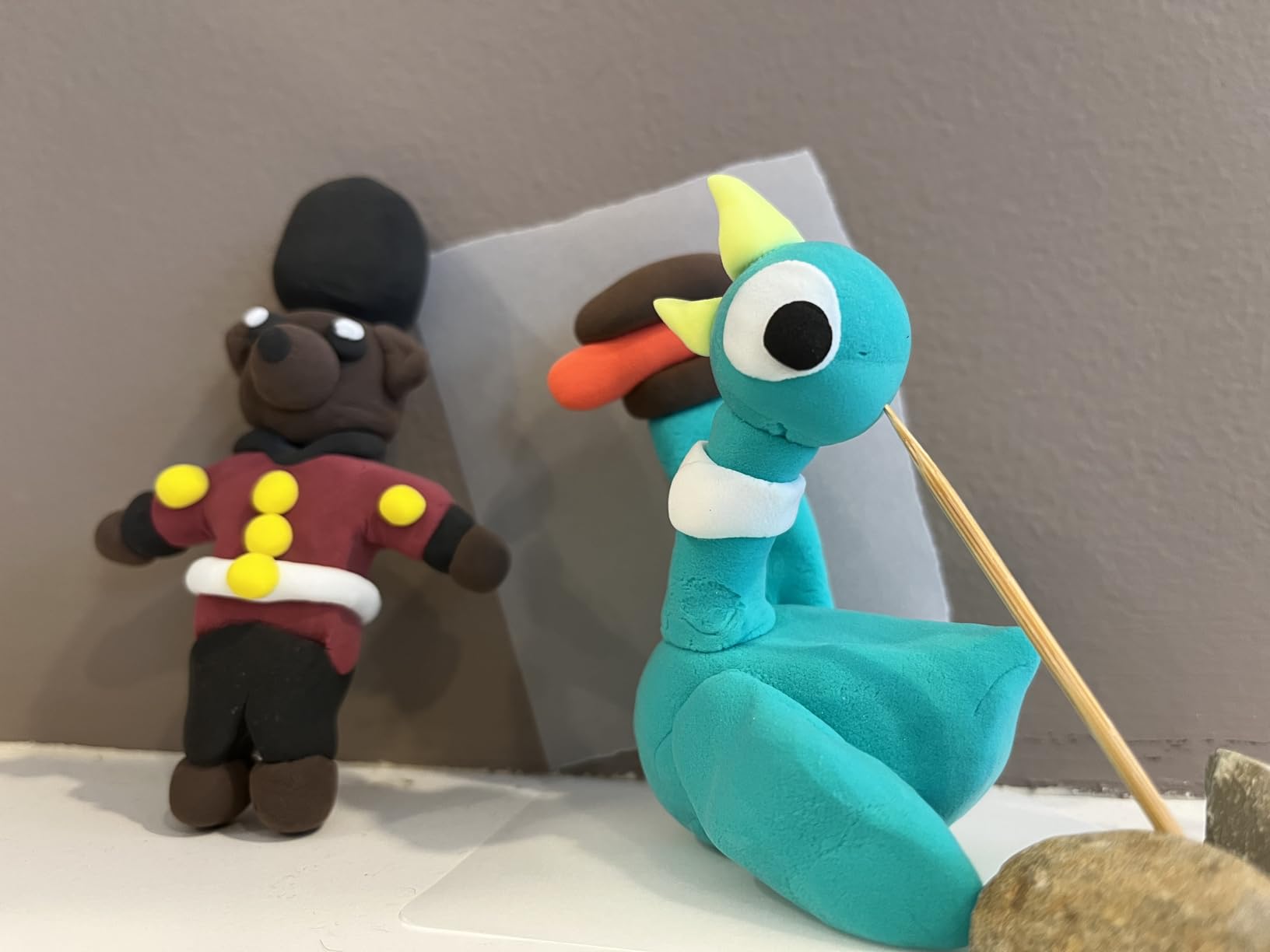
What you actually get for the price
Twenty-four colors, each in its own compartment, with enough total clay for dozens of small projects (jewelry, keychains, small figurines, magnets). It is not a bulk kit, but it is a complete starter experience at a price that lets you try foam clay risk-free.
Who should buy this kit
Anyone buying foam clay for the first time, parents looking for a low-cost party activity, and crafters who want to test whether foam clay is their thing before investing in a larger set. It is also a solid choice for gifting to a child who has never tried sculpting.
7. Exptolii 24 Colors Air Dry Modeling Clay Kit – Best for Adults and Teens
Air Dry Modeling Clay Kit – 24 Colors with 3 Sculpting Tools – Magic Foam Clay for Kids & Adults – DIY Molding Gift for Boys & Girls
24 colors of foam clay
3 specialized sculpting tools
Air dries without baking
Suitable for kids and adults
Pros
- Air-dry formula eliminates baking or firing
- Includes 3 specialized sculpting tools
- Suitable for kids and adults
- Great for DIY sculptures
- decorations
- and ornaments
- Thoughtful creative gift option
Cons
- Foam texture limits very fine detail work
- Smaller per-color quantities than dedicated hobby clays
Exptolii’s 24-color kit sits in the sweet spot between kids’ craft kits and adult hobby clay. The colors are vibrant, the foam texture is smooth and easy to work with, and the three included sculpting tools are noticeably better quality than the plastic tools that ship with cheaper kits. If you are an adult or teen who wants to explore air-dry clay without investing in professional sculpting materials, this is a smart entry point.
I tested it for a few small projects (earrings, a decorative leaf, a tiny house for a fairy garden) and found that the colors mix cleanly and the finished pieces hold their shape well once dry. The clay does not crumble, does not crack on thin sections, and sands lightly if you want to refine edges.
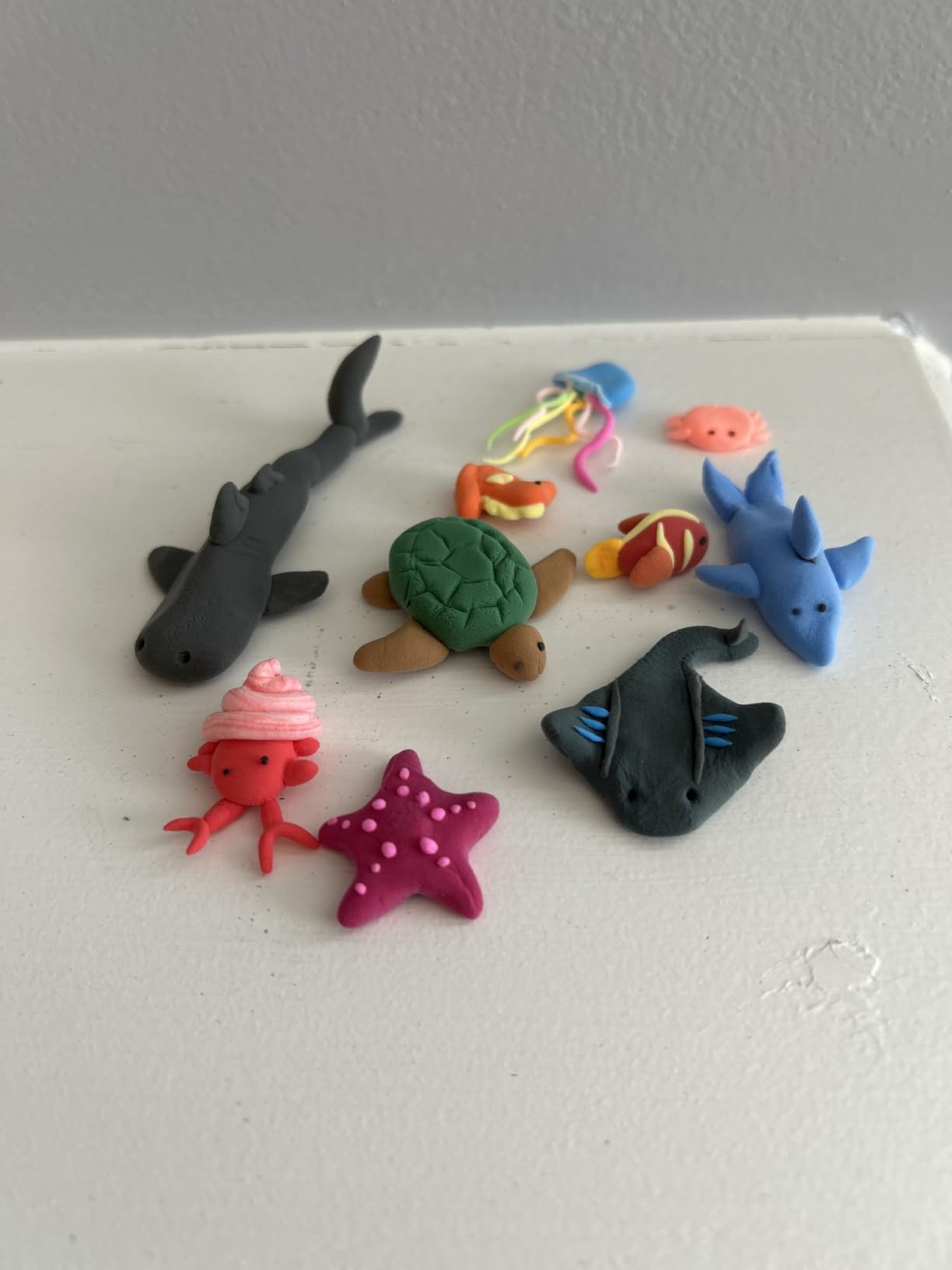
The other thing I appreciated is the packaging – the individual compartments keep colors separated cleanly, and the kit is small enough to store on a craft shelf without taking up real estate. For adults working in a small apartment or shared space, that matters.
The foam texture still rules out the finest detail work (think realistic faces, delicate flower petals), so if your goal is gallery-quality sculpting, you want DAS or a paper clay instead. For DIY home decor, jewelry, ornaments, and creative gifts, this kit punches well above its weight.
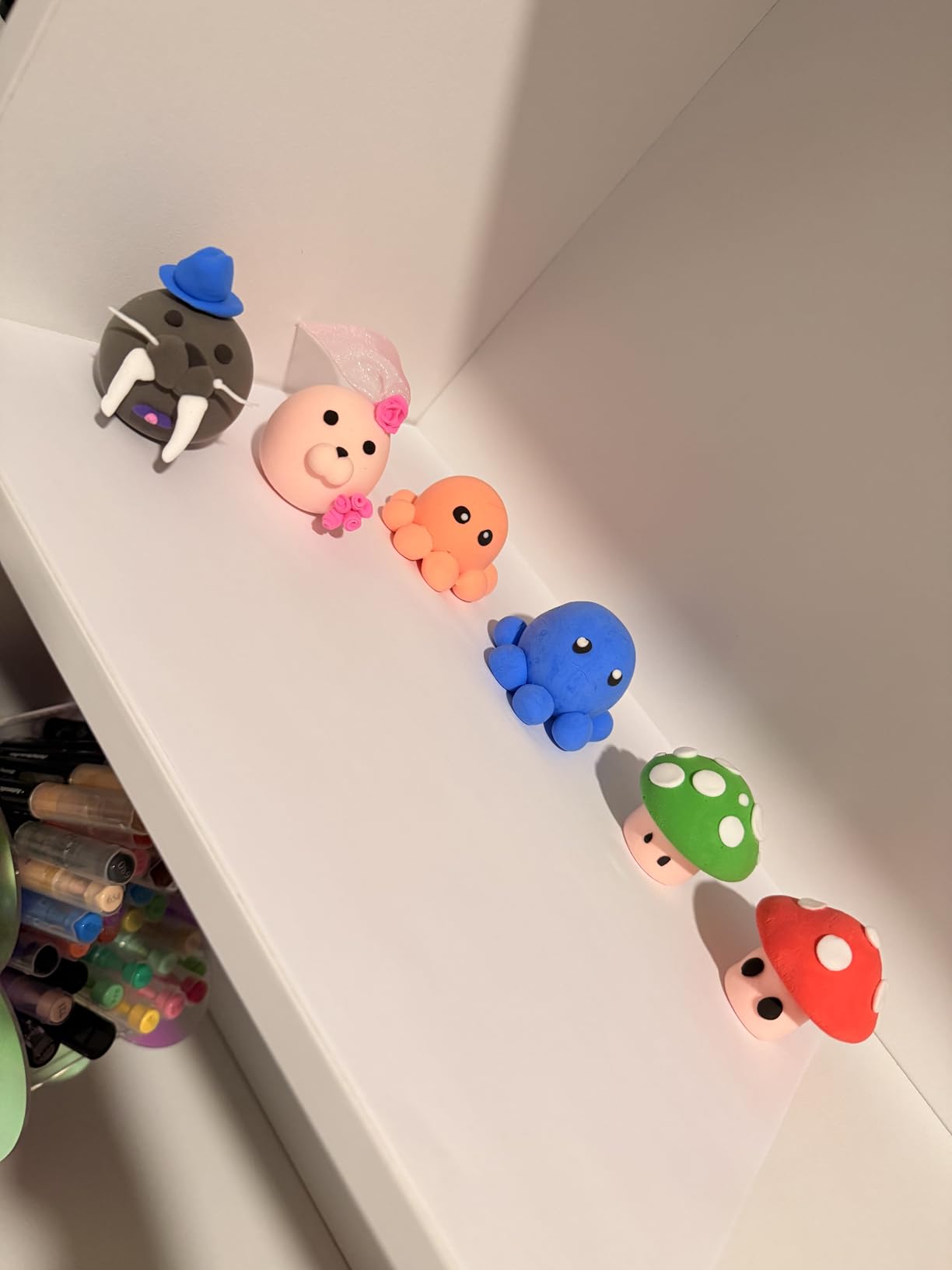
Best project fits for Exptolii kit
Handmade jewelry (especially earrings and pendants), small home decor accents, holiday ornaments, gift toppers, and any project where you want color built into the clay rather than added through painting afterward. The included tools are particularly good for shaping jewelry findings.
Why this kit works for adult beginners
Most foam clay kits feel like they were designed for kids. Exptolii threads the needle – the texture and color range appeal to adults, but the simplicity and forgiving nature keep it accessible for true beginners. It is a good middle-ground choice.
8. ReArt Natural Air-Dry Clay with 40 Pottery Tools – Best for Pottery Projects
ReArt Natural Air-Dry Clay, Pottery Clay10LBs with 40 Pcs Pottery Tools Clay Sculpting Tool Set, All-Purpose Modeling Clay (White)
10lb natural kaolin clay
40-piece pottery tool set
Non-toxic and odorless
Suitable for pottery wheel
Pros
- Generous 10lb pack of natural kaolin clay
- Includes 40-piece sculpting and pottery tool set
- Non-toxic and odorless formula
- Dries hard like fired clay
- Versatile for sculpting
- hand-building
- and pottery wheel use
Cons
- Hard texture straight from the package - needs moisture
- Prone to cracking with over/under-watering
- Not ideal for absolute beginners or fine detail work
- Can develop mold if stored on wood surfaces
ReArt is the only clay on this list that behaves like traditional pottery clay. It is a natural kaolin (porcelain) air-dry clay, which means the finished pieces feel and look like real ceramic – hard, dense, and stone-like once fully cured. The 10-pound pack is generous enough for serious projects, and the included 40-piece tool set covers virtually every shaping, carving, and finishing task you will encounter as a beginner.
If you have ever wanted to try pottery without investing in a kiln, wheel, and firing service, this is the closest you will get. ReArt can be thrown on a pottery wheel, hand-built, or sculpted into figurines. The tools that ship in the kit have wooden handles and metal heads – they feel like real sculpting tools, not disposable plastic.
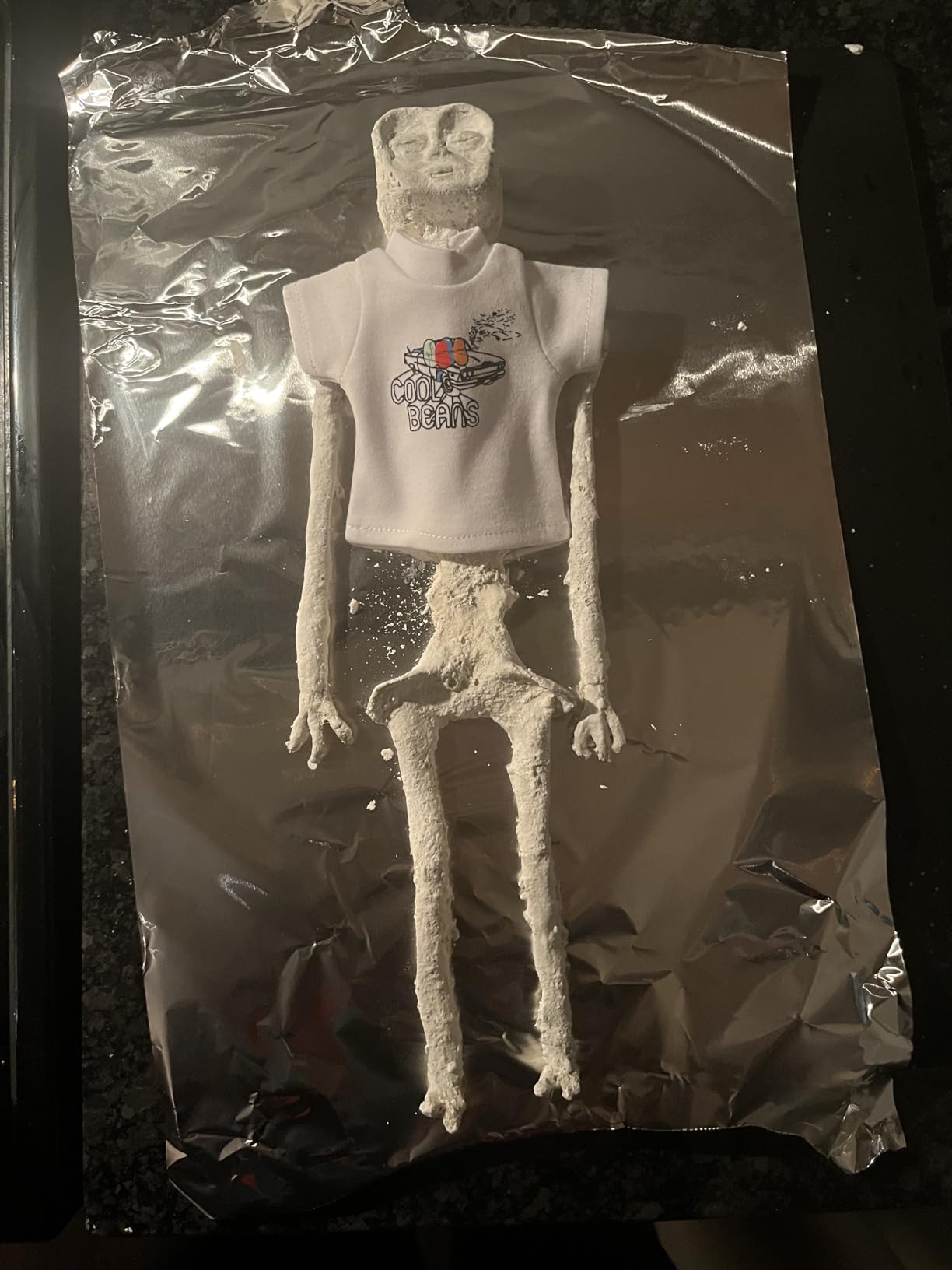
The honest trade-off is that natural kaolin clay is not as forgiving as Crayola or DAS. It comes out of the package stiff and dry, and you need to add water gradually as you work. If you add too much water, it slumps; if you add too little, it cracks as it dries. That learning curve is real, and I would not recommend this clay as a true first-timer’s choice.
For beginners who have already done a few basic projects and want to level up into actual pottery-style work, ReArt is an excellent stepping stone. Finished pieces are noticeably harder and more durable than foam or paper clays, and they take paint and sealant beautifully.
How to handle the stiffness
The trick with kaolin clay is to slice off only what you plan to use in one session, wrap the rest tightly in plastic, and mist your working piece with water from a spray bottle as you shape it. Keep a small bowl of water and a sponge nearby. Re-wet any area that starts to dry out before you finish working on it.
Storage and mold prevention
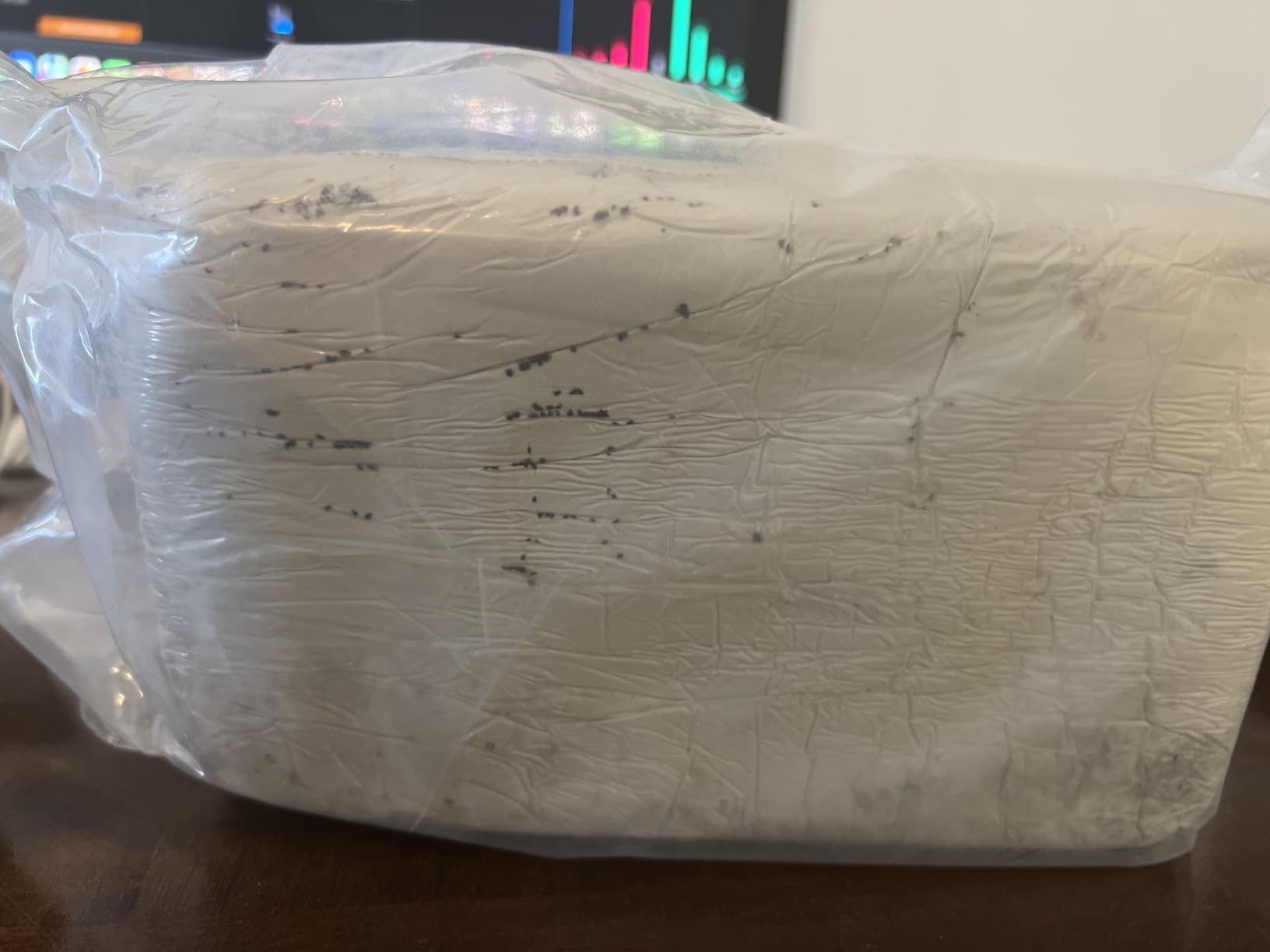
Because ReArt is a natural clay, it can develop mold if stored on wood surfaces or in humid conditions. Store the unused clay in its original sealed packaging inside a plastic bin, and put a small silica gel packet in with it. Never store it directly on a wooden shelf.
How to Choose the Best Air Dry Clay for Your Beginner Project?
Choosing the right air dry clay for beginners comes down to four questions: what are you making, how much detail do you need, how fast will you work, and do you want color built in or added later. Here is how to think through each one.
Match the clay type to your project
Modeling clay (DAS, Crayola, ReArt) is dense and smooth, best for sculptures, jewelry, and decorative bowls. Paper clay (Creative Paperclay, which is not on this list but worth knowing about) is lightweight with cellulose fibers, best for delicate flowers and large sculptures where weight matters. Soft foam clay (Sago Brothers, ifergoo, ESSENSON, Exptolii) is spongy and pre-colored, best for jewelry, kids’ crafts, ornaments, and any project where you want color without painting.
Pay attention to drying time and working time
Most air-dry clays need 24 to 72 hours to fully cure, depending on thickness. Working time – how long the clay stays pliable while you shape it – varies more than beginners expect. Crayola and DAS give you 30 minutes to an hour of comfortable working time. Foam clays give you 10 to 20 minutes before they start to stiffen. If you are working on a detailed piece, choose a clay with longer working time.
Decide if you want color built in
White clay (DAS, Crayola, ReArt) lets you paint the finished piece any color you want, which gives you more control but adds a step. Pre-colored foam clay skips the painting step entirely, which is great for kids and for quick projects. If you are painting later, acrylic paint works on every clay on this list.
Check the safety certifications for kids
For kids under 8, look for ASTM D-4236 certification (non-toxic) and ideally CPSIA or EN-71 compliance. Crayola, Sago Brothers, ifergoo, and Exptolii all carry these. ReArt is non-toxic but is designed for adult use given its harder texture.
5 Beginner Mistakes That Crack or Ruin Air Dry Clay (And How to Avoid Them)
Most beginner frustration with air dry clay comes from the same handful of mistakes. Avoid these five and your projects will look like they came from someone who has been doing this for years.
Mistake 1: Rolling the clay too thin
Beginners often roll clay paper-thin because it is easier to shape. The problem is that thin sections dry unevenly, curl at the edges, and crack within hours. Keep walls and rolled sections at least a quarter inch thick. Thicker is more forgiving.
Mistake 2: Skipping the armature
If you are building a standing figurine, a tall sculpture, or anything with extended limbs, you need an internal structure – an armature. Use crumpled aluminum foil, wire, or even toothpicks for small pieces. The armature supports the clay as it dries and prevents collapse. Without it, gravity wins.
Mistake 3: Letting it dry too fast
Direct sunlight, hair dryers, and ovens all cause air dry clay to dry too quickly on the outside while staying wet inside – which causes cracks. Let pieces dry at room temperature, ideally under a loose paper towel or cardboard box to slow the airflow. Patience produces better results.
Mistake 4: Joining pieces without scoring
When you attach two pieces of clay, smooth clay-on-clay contact alone will not hold. You need to score both surfaces (scratch them with a needle tool or fork), add a little slip (clay mixed with water to a paste), and then press the pieces together. This creates a mechanical bond that survives drying.
Mistake 5: Not storing leftover clay properly
Once you open a package, every minute the clay spends in open air is moisture it loses. Wrap unused clay tightly in plastic wrap, store it in a sealed bag or container, and press out excess air. Crayola buckets stay fresh for months this way. Foam clay packets stay fresh for weeks.
Essential Tools Every Air Dry Clay Beginner Needs
You can sculpt with your hands alone, but a few inexpensive tools will dramatically improve your results. Here is the starter kit I recommend.
A small rolling pin (a wooden dowel works) for flattening slabs of clay evenly. A set of basic sculpting tools (most kits include these – if yours does not, a needle tool, a loop tool, and a flat rib are enough to start). A small cup of water and a sponge for smoothing surfaces and joining pieces. Plastic wrap or a sealed container for storing leftover clay. Sandpaper in 220 and 400 grit for smoothing dried pieces before painting. Acrylic paints and a couple of brushes for finishing.
Total cost for the tools is usually under what you paid for the clay, and they last for years. Once you have these basics, you can make virtually any beginner project.
Frequently Asked Questions
Which air dry clay is best for beginners?
Crayola Air Dry Clay is the easiest air dry clay for most beginners because it is soft, pliable right out of the bucket, washes off hands with water, and ships in a resealable 5lb container that stays fresh for months. If you want to move into actual sculpting with more detail, DAS Modeling Clay is the next step up – it holds fine lines and has been trusted by artists since 1963.
Is Sculpey or DAS air dry clay better?
They serve different purposes. Sculpey is a polymer clay that must be baked in a home oven to harden, while DAS is an air-dry clay that cures at room temperature with no equipment. For beginners who do not want to buy or use an oven, DAS is the better choice. For jewelry makers who want a harder, more plastic-like finish and do not mind baking, Sculpey wins.
How long does air dry clay take to dry?
Most air dry clays take 24 to 72 hours to fully cure depending on thickness, humidity, and brand. Thin pieces under a quarter inch can dry in 12 to 24 hours. Thick pieces over half an inch can take 3 to 5 days. Let pieces dry at room temperature under a loose paper towel – avoid direct sunlight or forced heat, which causes cracking.
Can you paint air dry clay?
Yes. Once fully dry, air dry clay accepts acrylic paint, washable craft paint, and even watercolor or ink. For best results, apply a thin coat of white gesso first if you want bright, opaque colors. Seal painted pieces with a clear matte or gloss sealer to protect the paint and add durability.
How do you stop air dry clay from cracking?
The three biggest causes of cracking are drying too fast, making pieces too thick, and not using an armature for standing sculptures. To prevent cracks, dry pieces slowly at room temperature under loose cover, keep walls and rolled sections at least a quarter inch thick, hollow out solid forms larger than a tennis ball, and build an internal foil or wire armature for any tall or extended sculpture.
Is air dry clay safe for kids?
Most air dry clays from major brands are non-toxic and certified safe for kids. Look for ASTM D-4236 certification, plus CPSIA or EN-71 compliance for younger children. Crayola, Sago Brothers, ifergoo, and Exptolii all carry these certifications. Adult supervision is still recommended for kids under 6, and pieces should never be eaten even if labeled non-toxic.
Final Verdict: Which Air Dry Clay Should You Buy First?
If you want a single answer: start with Crayola Air Dry Clay. It is the easiest, most forgiving, and best-supported clay for beginners in 2026. You will finish your first project on your first try, the cleanup is genuinely just water, and the 5-pound bucket will keep your whole family crafting for months.
Once you have completed a few basic projects and want more detail or a more grown-up look, graduate to DAS Modeling Clay. For kids who want color and built-in project ideas, Sago Brothers is the kit I would buy. And if you are dreaming of pottery without a kiln, ReArt gives you that path. Whichever you choose, the eight picks above are the best air dry clays for beginners I have tested this year – and every one of them will teach you something real about sculpting without burning a hole in your budget.